

Bring your display interface, pinout and routing requirements to Xinshao for a build-to-print project review. Define the cable around your equipment, with connector details, assembly requirements and commercial scope agreed before release.
Send a drawing and BOM, or start with panel and controller references. We review open design inputs with your team so the quotation addresses the assembly you actually need.
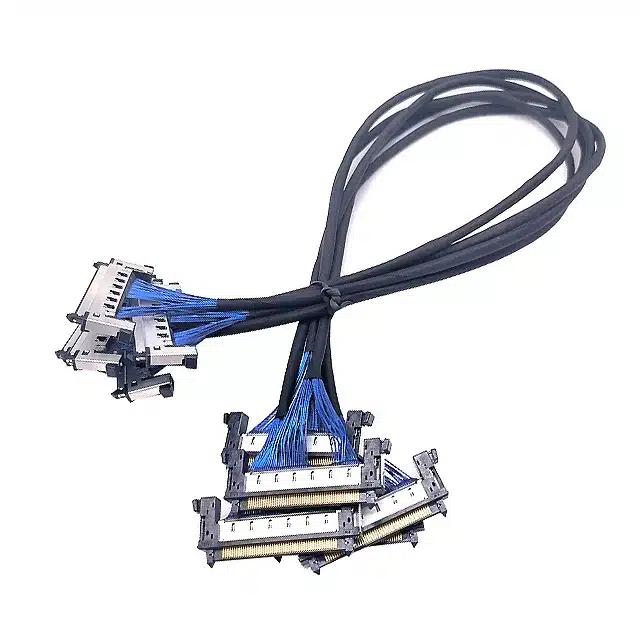
Align the host board, display panel and cable drawing before requesting pricing. Identify the interface revision, connector references and routing envelope so the RFQ covers both ends of the assembly.
For a replacement LVDS cable assembly, include the existing part number, approved drawing revision and reason for change. A sample helps explain the physical layout; released documentation defines acceptance.
Compare suppliers against the same BOM, inspection scope, packaging and delivery assumptions. Ask Xinshao to review your custom LVDS cable manufacturing requirements against a defined build package.
These are project review contexts. Material selection, connector availability and qualification requirements are confirmed for each application.
Planning an industrial LVDS cable assembly for a control panel or machine display? Include enclosure clearances, mounting constraints and nearby sources of electrical noise in the review package.
A custom LCD display cable assembly must match the actual host and panel documentation. Include the display model, board revision, connector mating information and the installed cable path.
For an LVDS cable assembly for embedded systems undergoing a display change, review the interface and pin mapping again. Keep the old and new configuration clearly identified in the change request.
For a custom pinout LVDS cable assembly, list both connector manufacturer part numbers, mating references, contact count, keying and latch details. Mark pin 1 and define whether each view is from the mating face or wire side.
For a custom length LVDS display cable, define the measurement datums, finished length tolerance, branch locations and breakout dimensions. Include bend clearance and retention points in the equipment drawing.
For a shielded LVDS cable assembly, specify the shielding arrangement, drain connections and chassis attachment details required by the system design. Confirm the termination method rather than leaving it to assembly assumptions.
A twisted pair LVDS cable assembly requires a defined pair map and approved cable specification. If your design calls for a micro-coax LVDS cable assembly, submit the connector and cable references for process and sourcing review.
Where an LVDS display cable with backlight wiring is specified, identify power, return and backlight conductors separately from signal pairs. Include the relevant circuit and conductor requirements from the system documentation.
Define sleeving, heat shrink, strain relief, label content and packaging in the drawing or work specification. State any repeated movement requirement explicitly so the construction can be reviewed for that use.
A 20 pin LVDS cable assembly, 30 pin LVDS cable assembly or 40 pin LVDS cable assembly is a starting description, not a complete specification. Provide exact part numbers, contact orientation and pin assignments for both ends.
For a Hirose LVDS cable assembly, JAE LVDS cable assembly or I-PEX LVDS cable assembly inquiry, identify the required series and full part numbers. Brand names here describe customer RFQ inputs; sourcing and assembly feasibility are confirmed after review. Any proposed alternative requires your approval.
Attach a pin-to-pin schedule that identifies signal pairs, polarity, grounds, supply circuits and unused contacts. Record any crossover or reversed connector orientation on the released drawing.
For a build-to-print LVDS cable assembly, send the cable drawing, BOM, pin schedule and endpoint references together. Identify the revision that applies to the requested quotation.
Review unclear connector views, cable substitutions, dimensions and acceptance requirements before release. A sample can support clarification; capture the agreed result in controlled documentation.
Agree on assembly scope, materials, inspection, required records and packaging. Identify any tooling, fixture or first-build costs separately so purchasing can compare quotations on the same basis.
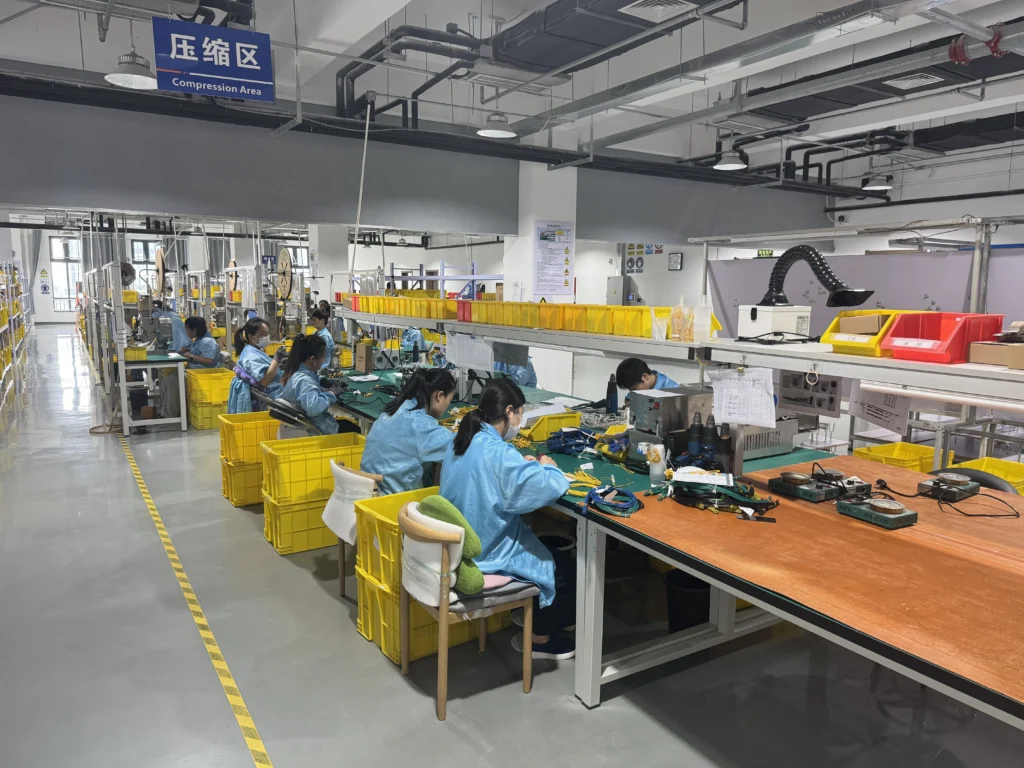
For a prototype LVDS cable assembly inquiry, state the sample quantity, evaluation purpose and criteria for approval. For low volume LVDS cable assemblies or a high-mix program, list each variant, revision and order quantity separately so material requirements and changeovers are visible.
For repeat orders or a high volume LVDS cable assembly program, provide forecast quantities, release sizes and expected revision stability. Request a review of component availability, production planning and documentation needs before committing to a delivery schedule.
These are RFQ planning routes rather than fixed production commitments. MOQ, lot size, lead time and capacity are confirmed against the reviewed configuration. Connector minimum buys, dedicated fixtures and test documentation can affect cost beyond the unit assembly price.
Define visual inspection, dimensions, pin mapping, continuity and short-circuit checks as required by the drawing. State coverage, records and acceptance criteria in the RFQ; the available method and scope must be confirmed.
For an LVDS cable assembly with continuity testing requirements, separate those checks from impedance, skew or other signal measurements. Request any additional characterization explicitly, with a method, limits and responsibility agreed before quoting.
Cable loss, impedance transitions and pair skew influence the link. Evaluate the assembly with the intended host and display under the system validation plan. A successful continuity check alone does not establish display performance or EMC compliance.
For a useful LVDS cable assembly quote, send the following inputs. If an item is unknown, mark it open so the review can identify what is needed next.
For an LVDS cable assembly from drawing or sample, submit whichever references you have and identify their revision status. Use the initial inquiry to agree on the appropriate channel for the complete engineering file package.
Review our custom wiring harness offering when your display cable is part of a larger equipment wiring project.
Learn about Xinshao before discussing supplier evaluation and the documentation required for your program.
Use our project contact page to start an inquiry and agree on the next inputs for a drawing-led cable review.
A sample is a useful starting point for review. Include connector identification, panel and host references, dimensions and the pinout where available. Document missing information before treating the sample as a production specification.
Do not assume interchangeability from appearance or contact count. Confirm the interface in the host and display documentation. An LVDS cable is not a protocol converter; changing the interface requires a separate system engineering review.
Connector and cable availability, order quantity, assembly complexity, tooling, inspection, records and packaging affect the quote. Identify one-time costs and recurring unit costs separately. Pricing, MOQ and delivery timing are confirmed for the reviewed project.
Submit the required construction and exact connector references for review. Evaluate shielding and grounding within the equipment design. Record any approved alternative in the BOM and drawing before it becomes the production baseline.
Photos can show routing and connector orientation, but they do not establish the full pin map, materials or electrical requirements. Include a sample and available endpoint documentation, and close the remaining design inputs before release.
There is no project-independent length promise in this offering. Share the target length, endpoint documentation, operating conditions and validation requirements so the interconnect can be assessed within the complete system.
Agree on the drawing revision, BOM, first-build evaluation and acceptance records. After approval, reference that baseline on purchase orders and control subsequent material or design changes through your agreed approval process.
Tell Xinshao which display and host you are connecting, the required cable length and your sample or production quantities. Include drawing and BOM revision references so we can identify the next review inputs.
For an initial inquiry, contact the Xinshao team with your project summary.
Start with the interface, drawing and quantities. Xinshao will review the project inputs with your team to define the next steps.