顶级制造商

XINSHAO · OEM / ODM INTERCONNECT SOLUTIONS

Custom New Energy Wire Harnesses Manufacturer

Drawing-based harness development for energy storage, solar equipment, power conversion and electric mobility projects.

  • Connector, pinout and branch configuration
  • Power, sensing and control circuits reviewed separately
  • Prototype approval through production sourcing

New Energy Harnesses Built Around Your System

Xinshao supports custom wire harness and cable assembly projects from drawings, samples and bills of materials. Share the equipment architecture, mating interfaces and installation constraints so the assembly can be reviewed as part of your system.

New energy covers different electrical and environmental duties. A BMS sensing loom, outdoor solar branch and battery power connection need different material selections and acceptance plans. The categories below are starting points for a custom project.

Explore Six New Energy Harness Configurations

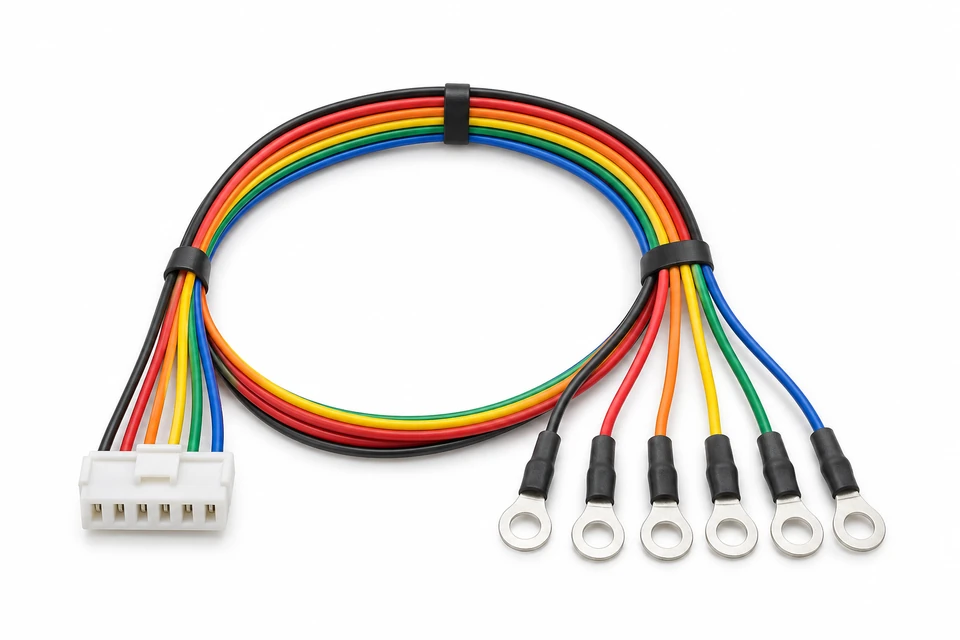
bms-sensing-wire-harness

BMS Sensing Wire Harnesses

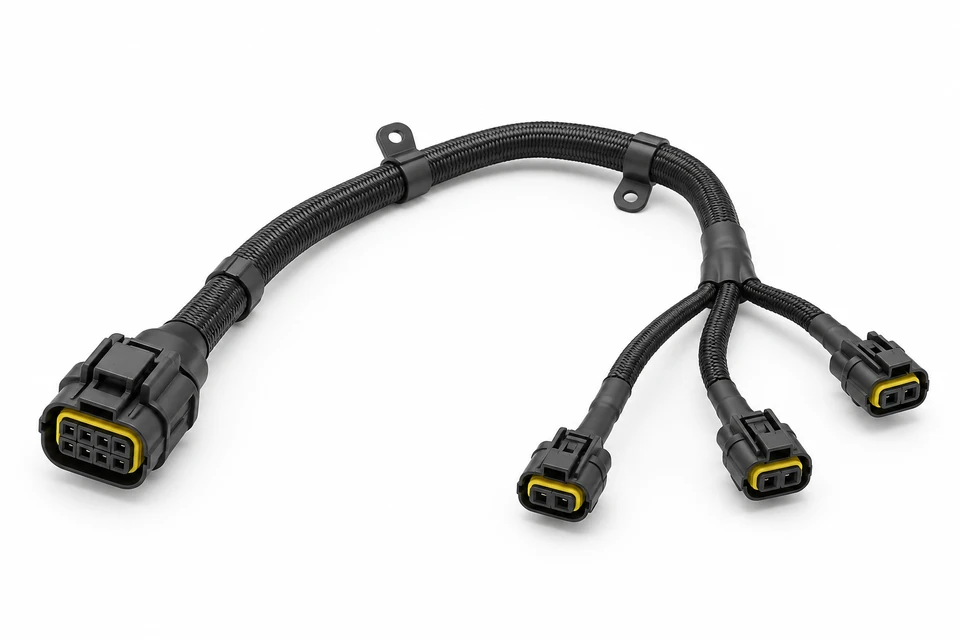
Define sensing channels, pin sequence, branch lengths and terminal interfaces around the battery module. Keep sense wiring requirements separate from power circuits.

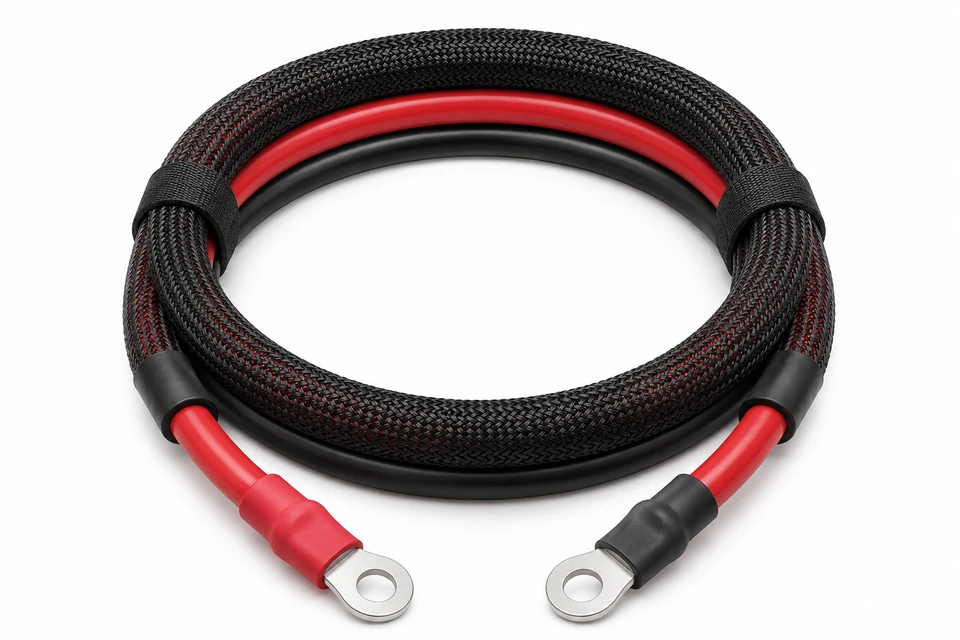
energy-storage-battery-harness

Energy Storage Battery Harnesses

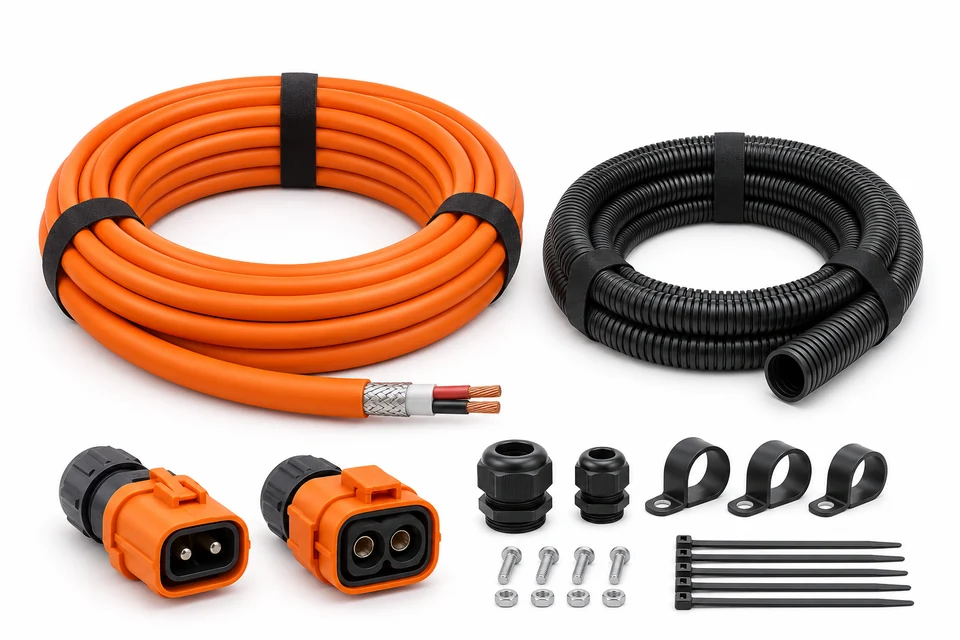
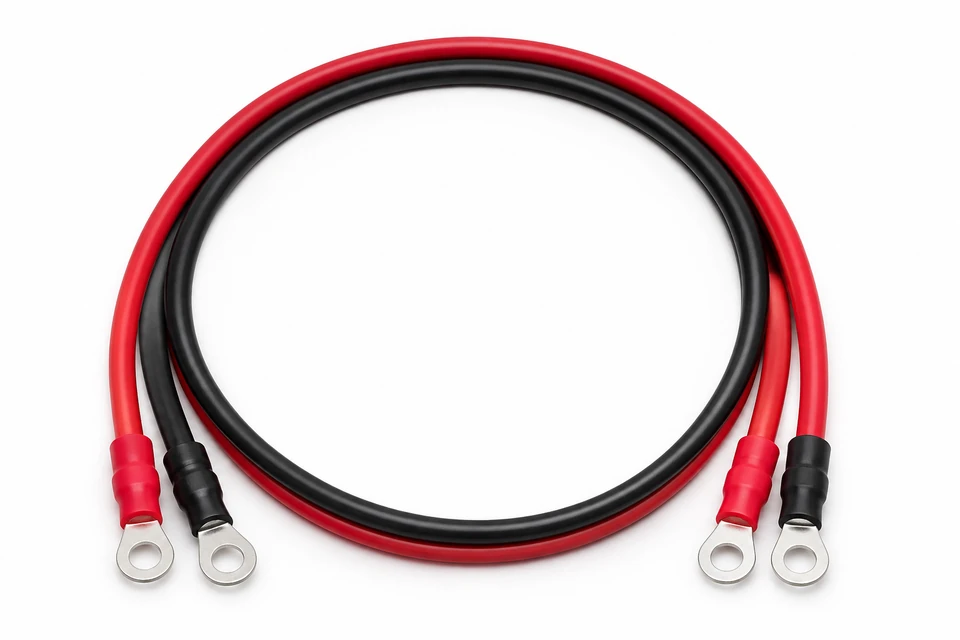
Specify cable size, terminal orientation, bend space and protection for battery connections. Continuous and peak load conditions require separate review.

solar-pv-branch-harness

Solar PV Branch Harnesses

Configure branch count, cable lengths and exact mating connector part numbers. Outdoor exposure and connector compatibility must be confirmed for the complete assembly.

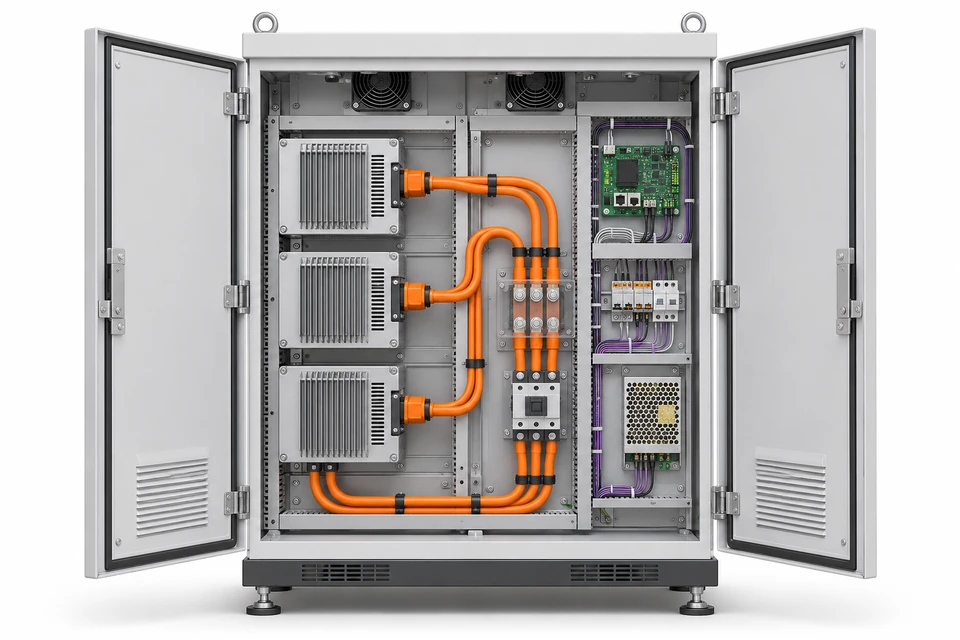
inverter-control-harness

Inverter Control Harnesses

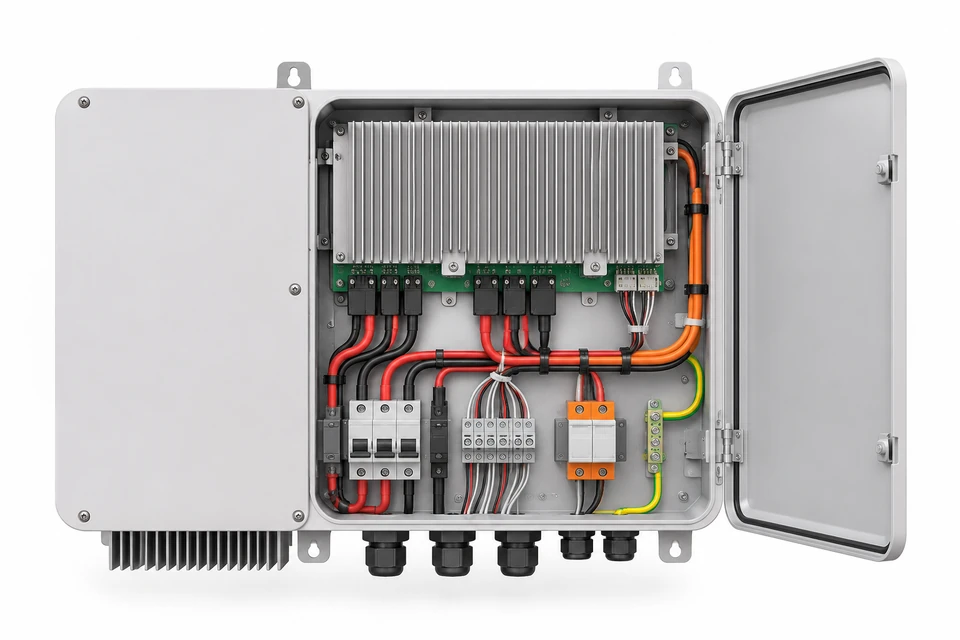
Coordinate signal, control and auxiliary power connections within the enclosure. Confirm routing separation, grounding and service access.

charging-equipment-harness

Charging Equipment Harnesses

Develop internal power and control harnesses from the equipment schematic and BOM. Specify installation space, thermal conditions and inspection requirements.

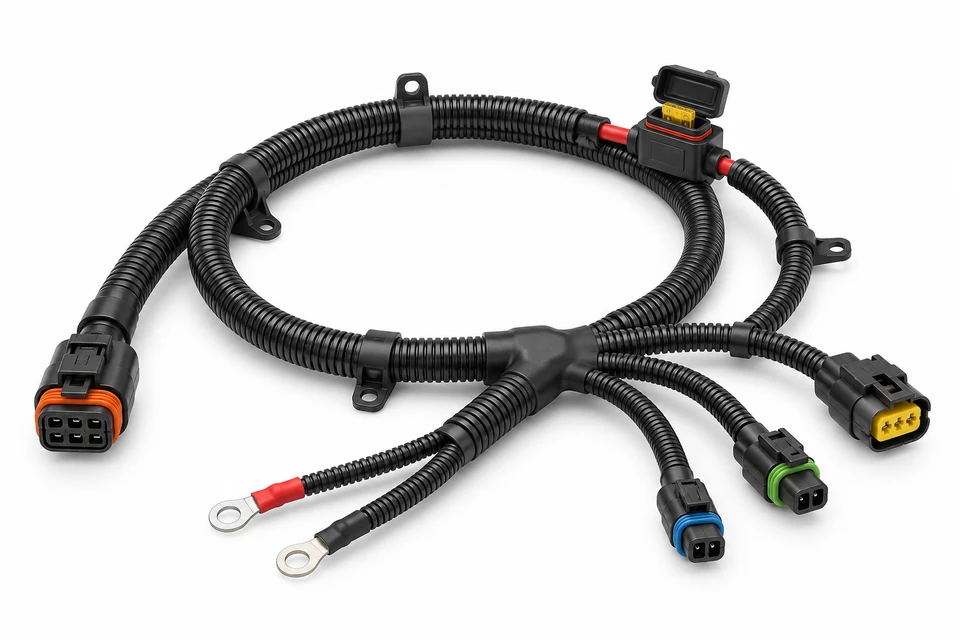
ev-auxiliary-wire-harness

EV Auxiliary Wire Harnesses

Configure low-voltage auxiliary connections for vehicle equipment. Define vibration, sealing, mounting and connector retention requirements for the installation.

6 configuration categories

A Clear Basis for OEM Procurement

1

Drawing-Based Development

Align branches, pinouts, connector keys and installation dimensions before building.

2

Controlled Component Choices

Identify exact part numbers and obtain approval before substituting components.

3

Prototype to Production

Use sample approval and revision control to define the production baseline.

4

Inspection Planning

Agree acceptance criteria, test coverage and reporting for the assembly.

Evaluate a New Energy Harness Supplier Beyond the Connector

Review how the supplier controls drawings, purchased components, crimp tooling and production changes. A matching connector shape alone does not establish electrical compatibility or an approved mating combination.

For your project, request relevant inspection records, traceability details and a sample approval plan. Certificates and compliance documents should cover the actual entity, materials and assembly scope you need.

new-energy-harness-design-review

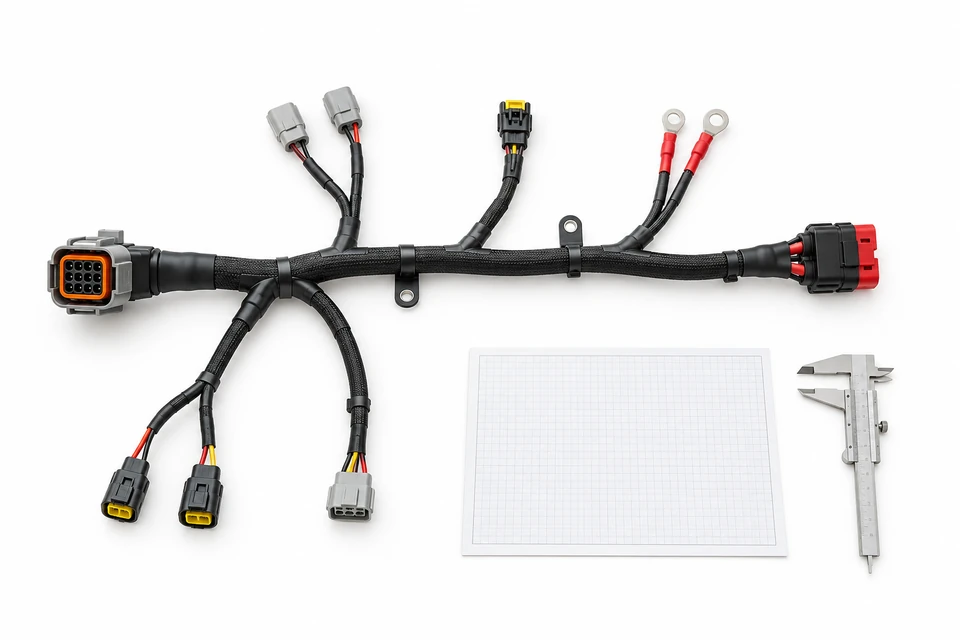
Custom Routing, Branches and Interfaces

battery-harness-routing-options
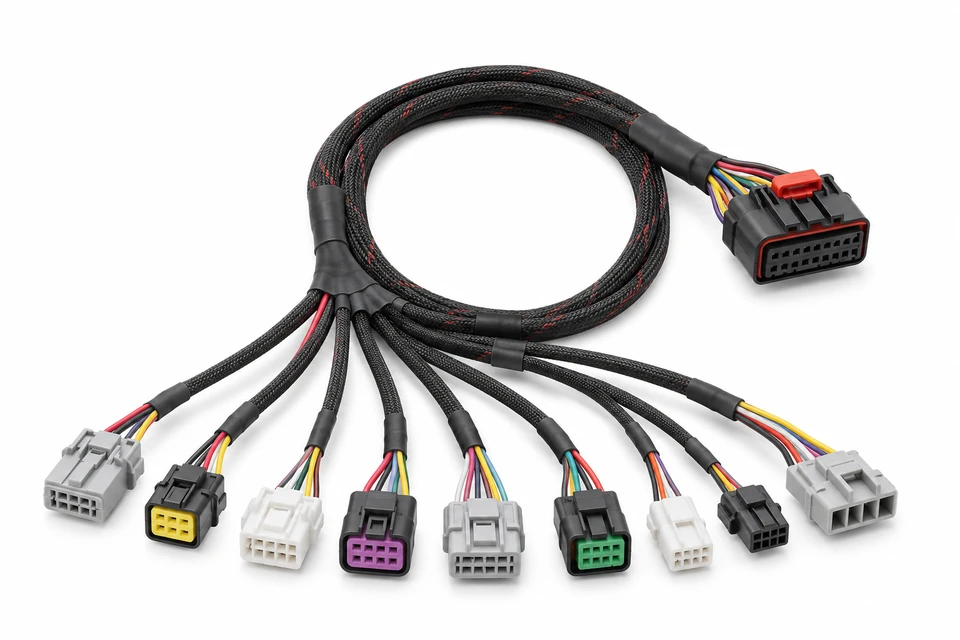
bms-connector-pinout-options

Define datum points, branch exits, wire lengths and dimensional tolerances against the installed position. Include clips, sleeves, labels and service loops where required.

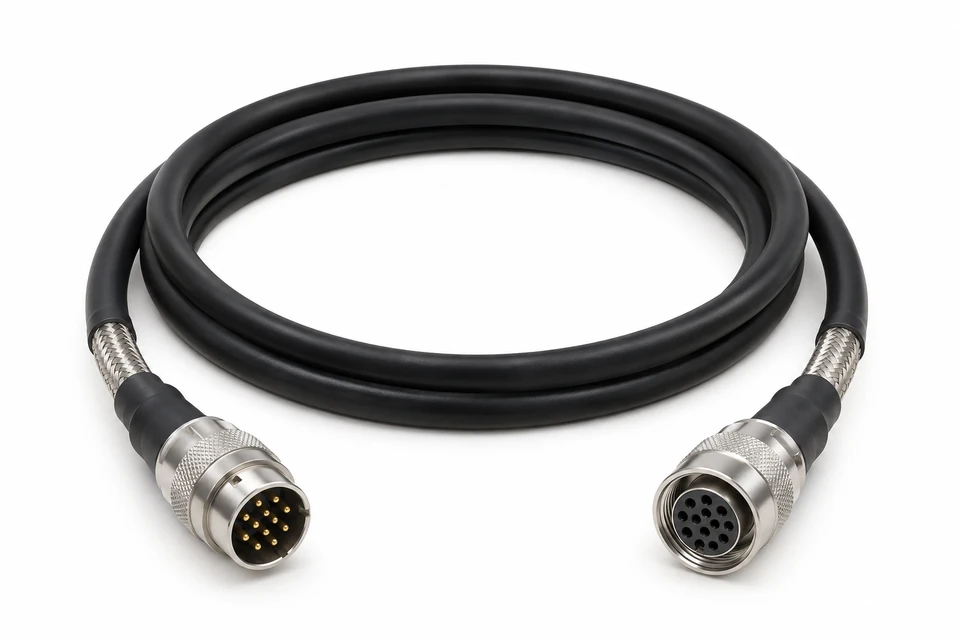
Provide the pin-to-pin circuit list and identify power, sensing and communication circuits. Discuss shielding termination and grounding against the system design rather than choosing shielding by appearance.

Original connector parts and proposed alternatives are separate BOM choices. Any substitution requires technical review and customer approval.

energy-harness-material-selection

Materials Selected for the Operating Conditions

Specify the cable and connector requirements before selecting a jacket or sleeve.

  • Working voltage, continuous load, peak load and duty cycle
  • Ambient temperature, bundling and available heat dissipation
  • Exposure to water, UV, fluids, abrasion and movement
  • Required material compliance and supporting documentation
energy-harness-crimp-inspection

Manufacturing and Acceptance Planning

Agree the build and inspection requirements against the approved drawing.

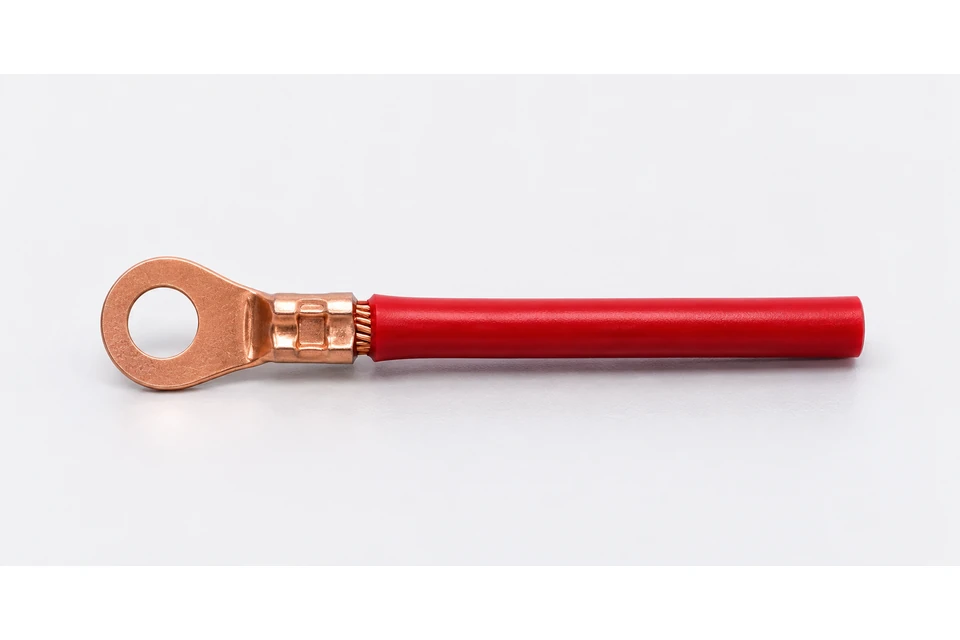
  • Cutting, stripping, crimping, assembly and protective finishing
  • Pinout, polarity, dimensional and visual inspection
  • Continuity and project-specific insulation or dielectric tests
  • Sample approval, inspection records and change control

Engineering Inputs That Affect Feasibility and Cost

Conductor size depends on the installed thermal conditions as well as the load. Connector ratings must be checked against the specified wire, terminal, circuit loading and environment. Supply the applicable operating limits and validation criteria for review.

A component IP rating does not establish a sealed assembly rating in every installation. Specify the mated condition, seals, cable entry and test conditions. High-voltage interlocks, shielding and touch protection require an explicit system design where applicable.

Connector availability, tooling, custom overmolding, inspection fixtures and required validation can affect sample cost and lead time. Confirm these items before fixing the production schedule.

For Energy Equipment OEMs and Sourcing Teams

energy-storage-oem-interconnect

Battery and Energy Storage Equipment Builders

Coordinate battery connections, sensing circuits and cabinet routing against the approved system design.

power-electronics-oem-interconnect

Power Electronics and Mobility Teams

Bring engineering, purchasing and quality requirements together before moving from prototype to a recurring production order.

New Energy Wire Harness Procurement Guide

Prepare the inputs that turn a general inquiry into a buildable assembly specification.

Send your drawing, BOM, connector and terminal part numbers, pin-to-pin list, wire specifications, branch lengths, quantity, annual demand and delivery destination. Add operating conditions and required test reports. If documents are incomplete, send the available information for an initial review.
These circuits have different duties. Define requirements for each circuit and interface, including polarity, load, voltage, exposure and routing. The final assembly specification should reflect those differences.
Proposed alternatives need review of mating compatibility, electrical and environmental requirements, availability and documentation. Customer approval is required before a BOM substitution.
Confirm drawings and requirements, review materials and tooling, build samples, assess inspection results and obtain approval. Establish the approved revision and acceptance plan before production release.
Specify the required standards, evidence and assembly scope in the RFQ. Material documentation, company management certificates and product approval are different evidence types. Agree the applicable test plan and reporting before order confirmation.
Wire and connector selection, branch count, purchased-part availability, tooling, quantity and validation requirements affect the quotation. Confirm timing after the BOM and engineering scope are reviewed.

Send Your Drawing & BOM

Send Your Inquiry Today