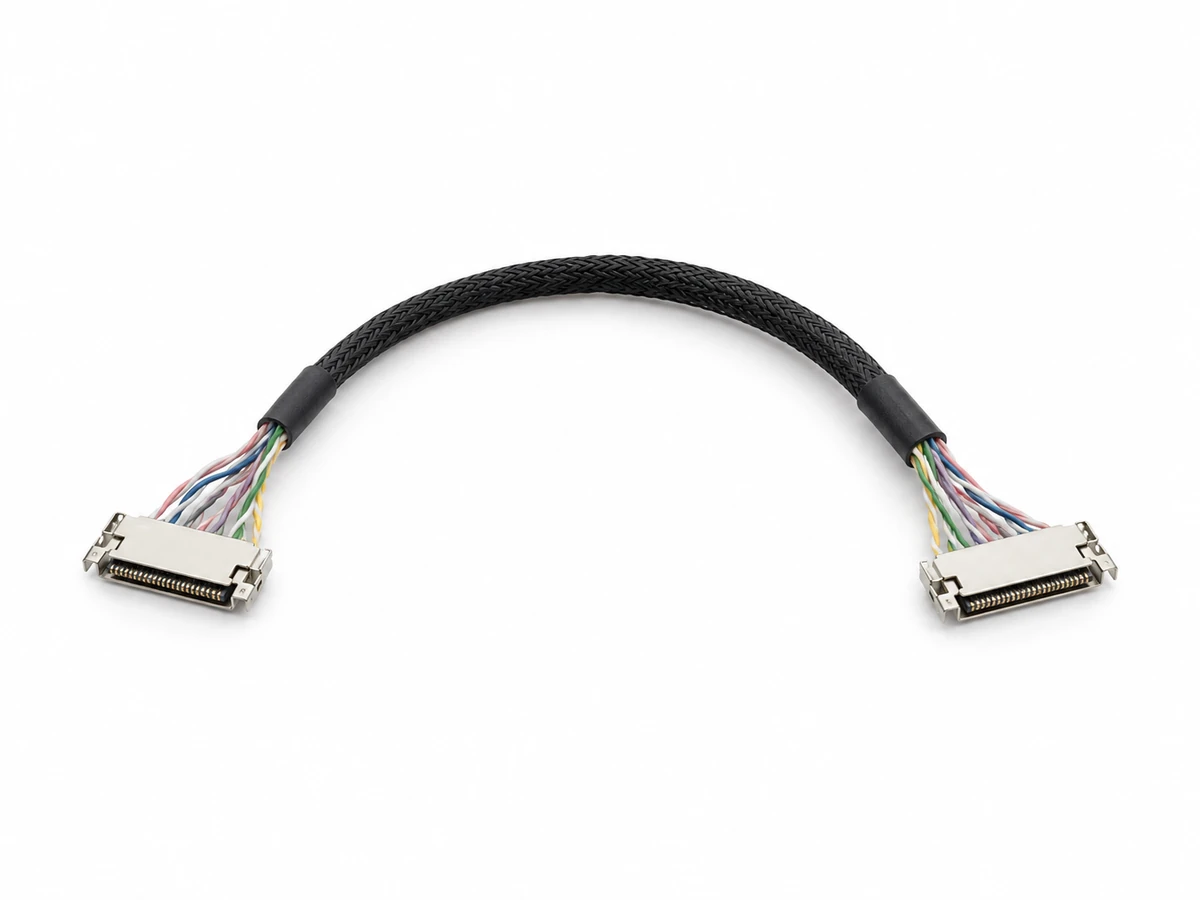
DRAWING-BASED MANUFACTURING FOR EQUIPMENT OEMs
Bring your machine connections into one coordinated assembly. Xinshao manufactures custom industrial wiring harnesses and cable assemblies from your drawings, BOM, or samples, with support from design review and prototyping through production.
A machine harness needs to fit the equipment, connect the correct interfaces, and support a repeatable assembly process. Branch positions, connector orientation, wire identification, and protective coverings all affect how the harness is installed and serviced.
Shijiazhuang Xinshao Electronic Technology Co., Ltd. is an OEM/ODM manufacturer of custom wire harnesses and cable interconnection solutions. We work with engineering and procurement teams to translate project inputs into a defined assembly, with material choices, manufacturing details, and acceptance requirements reviewed before release.
Share the operating environment as well as the drawing. Fixed installation, repeated movement, electrical noise, temperature, and moisture exposure can require different cable constructions and validation plans.
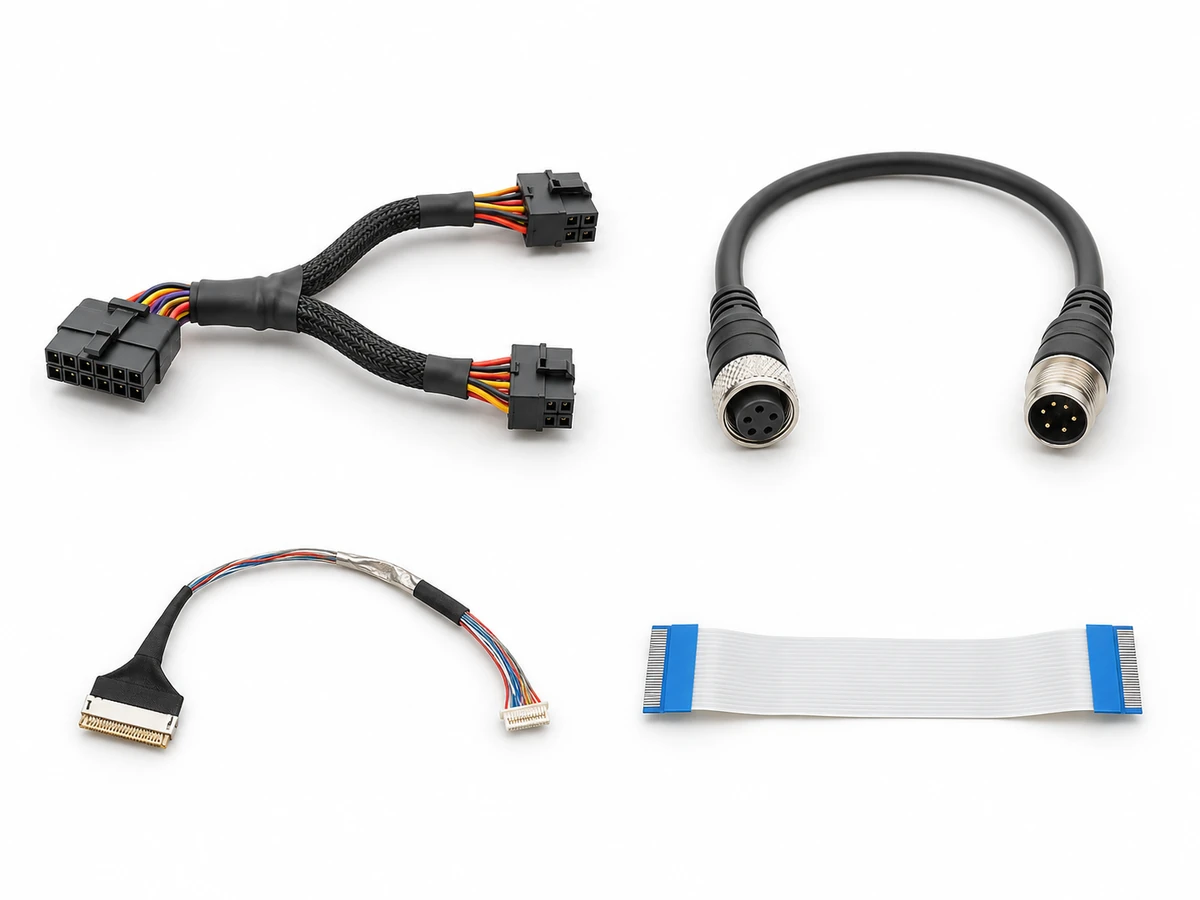
Choose the assembly type closest to your application, then define its construction around your equipment. These are customization routes rather than fixed off-the-shelf specifications.

Coordinate power, control, and signal branches around the installation space in your machine. Define connector locations, breakout lengths, mounting points, and service access in the assembly drawing.

Connect internal modules, switches, and control interfaces with an approved pinout and clear identification. Specify terminal interfaces, wire marking, branch protection, and the routing envelope.

Specify cable construction and shield termination for noise-sensitive signal paths. Share interface requirements, grounding arrangements, and test criteria so the assembly can be reviewed as part of your system.

Configure equipment power connections around the rated components and installation conditions. Provide operating current, voltage, cable length, duty cycle, ambient conditions, and connector requirements for review.

Explore connector and overmolding options for exposed equipment connections. Define the required ingress protection, mating condition, cable entry, and validation method before specifying a sealed assembly.
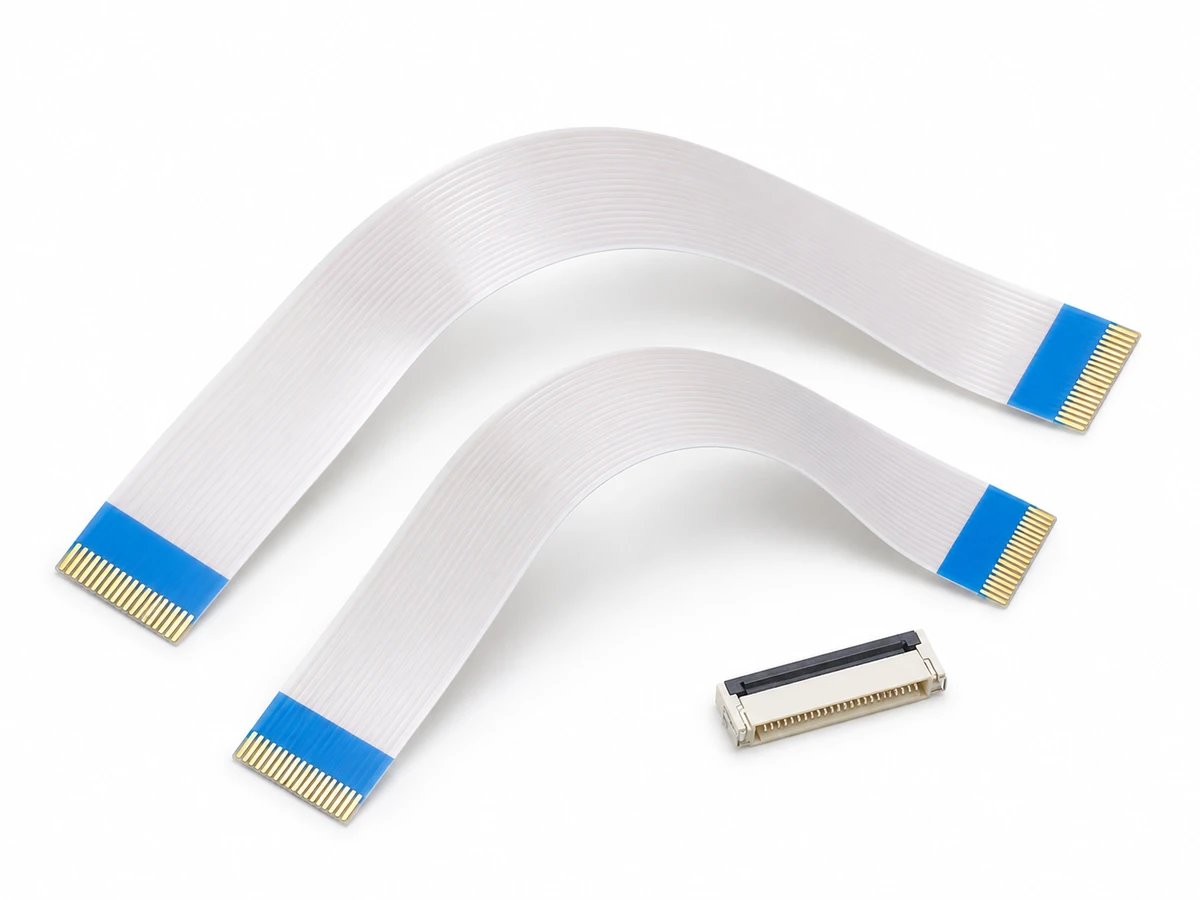
Connect boards and internal modules where routing space is limited. Define pitch, conductor count, contact orientation, stiffeners, and bend constraints; the cable construction must suit the actual installation.
6 Customization Categories
Application and construction images are illustrative; they do not establish a specific product rating or show a verified Xinshao facility.
01
Develop the harness around your connector interfaces, branch layout, and approved BOM, with changes reviewed before manufacture.
02
Use samples to check fit, routing, and assembly details before releasing a controlled design for repeat orders.
03
Discuss specified original components and proposed alternatives separately. Any substitution requires your approval and a review of its technical impact.
04
Agree inspection records, material traceability, and reporting requirements with the quotation so acceptance expectations are clear.
A useful quotation should make the assembly assumptions visible. We review the supplied design for manufacturing considerations such as contact and wire compatibility, termination access, breakout positioning, protective finishing, and drawing completeness.
For procurement teams, the review also needs to cover specified parts, proposed substitutions, tooling, minimum material purchases, and inspection requirements. Identifying these items early helps you compare quotations on an equivalent basis and understand what still needs approval.
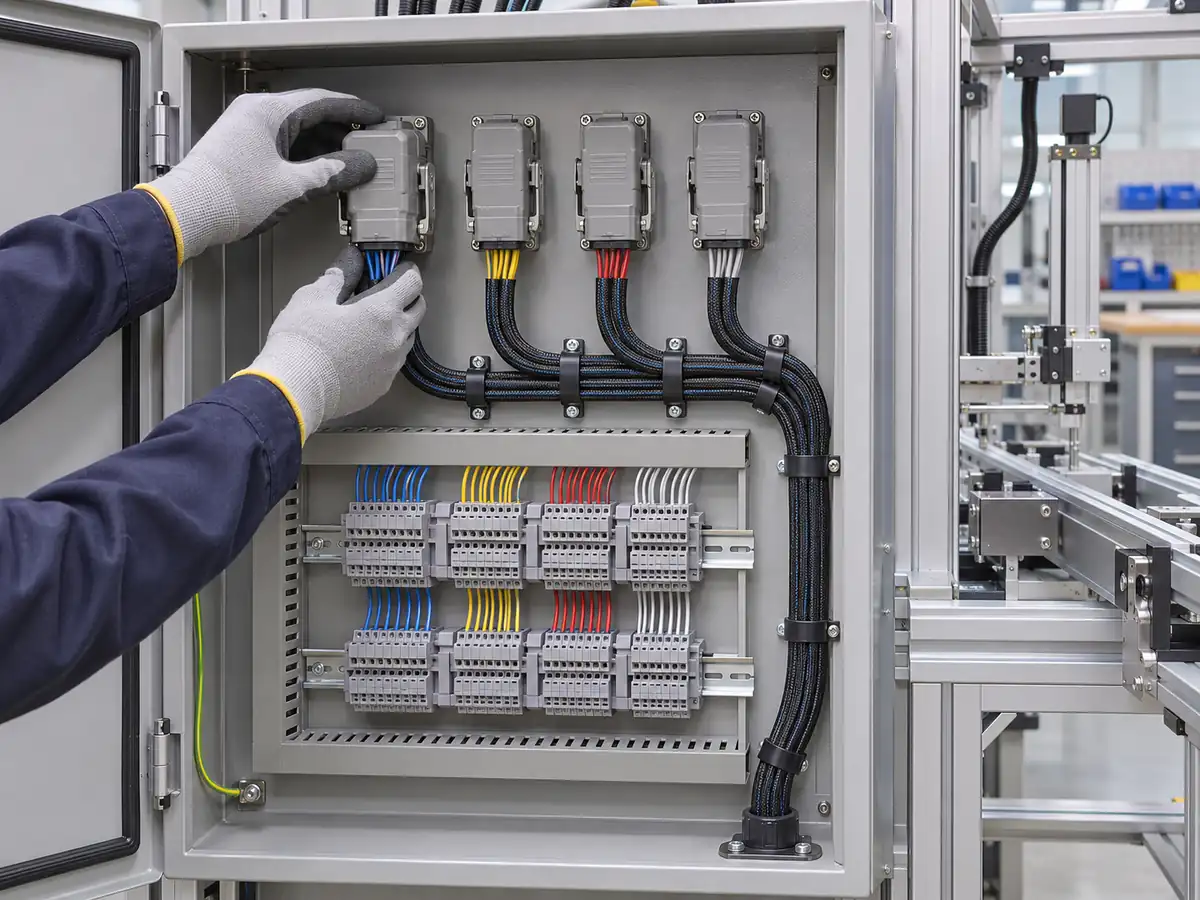
Start with a connection list or pinout, connector and terminal part numbers, cable specifications, and a dimensioned routing drawing. Identify the measurement references for overall length and branch breakouts, including any tolerances that affect fit.
Then define protection and identification: sleeving, conduit, braid, heat shrink, overmolding, strain relief, labels, and mounting features. Separate required features from optional alternatives so the quotation reflects the intended build.
Finally, agree sample approval and acceptance criteria. Where application performance needs validation, establish the equipment-level responsibilities and the component or assembly tests required before production.
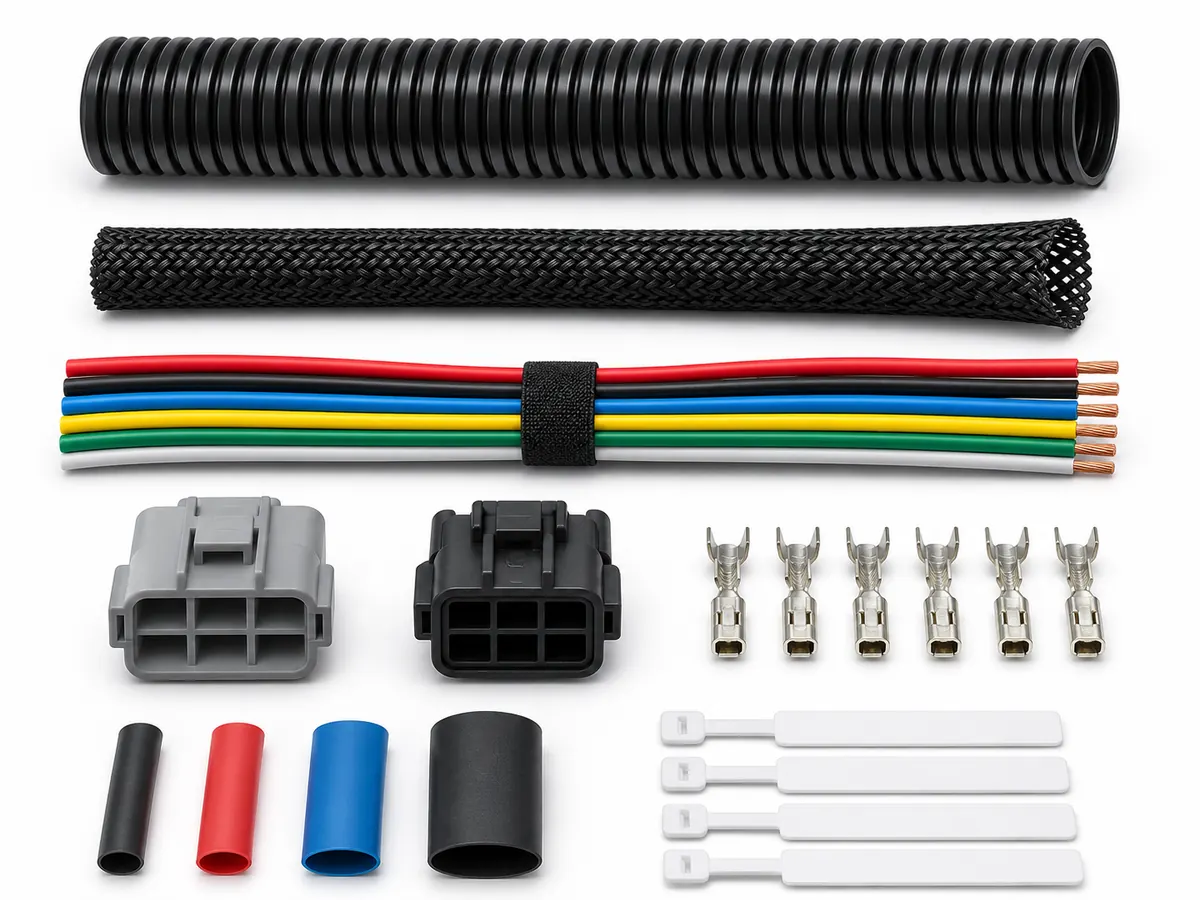
Select each material grade and component for its actual role in the assembly. PVC, PU, PTFE, and XLPE options have different properties; the material family alone does not establish a finished harness rating.
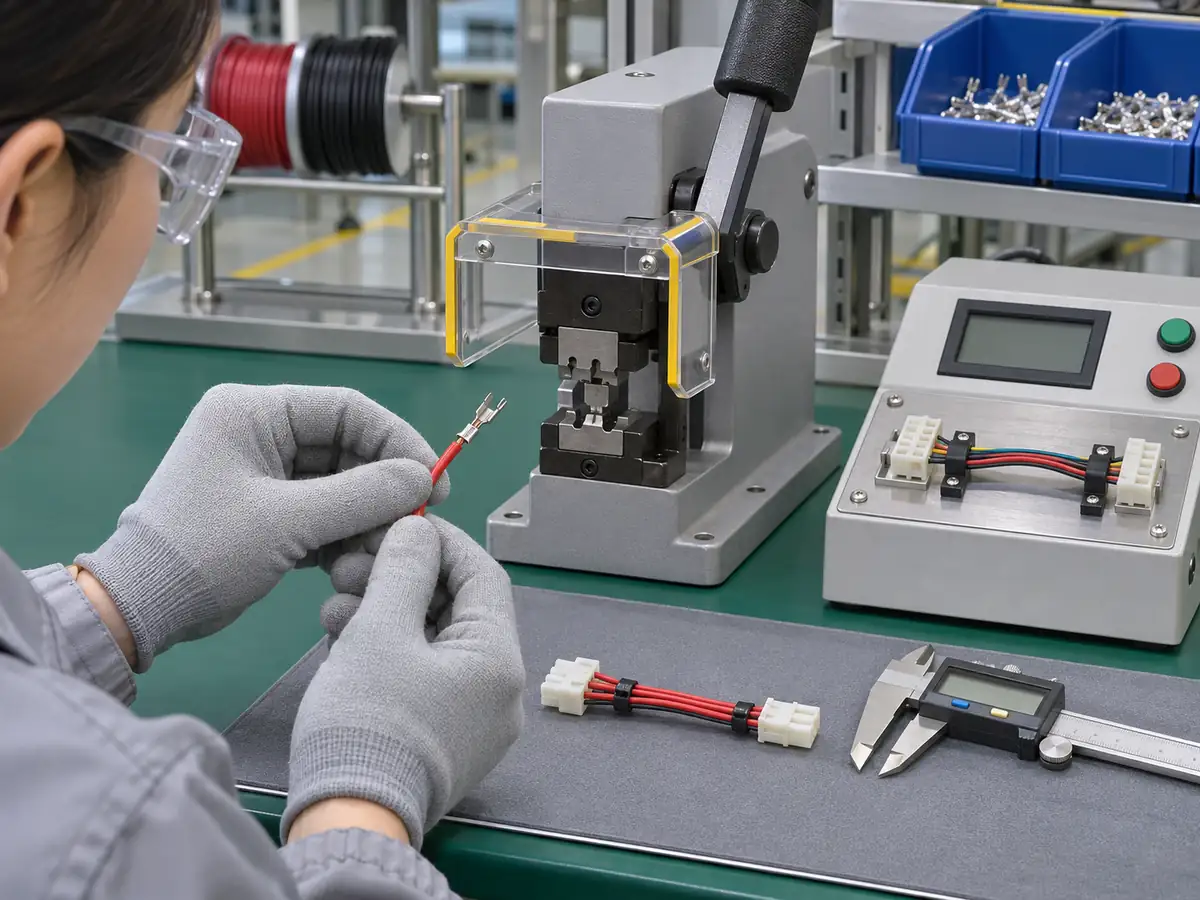
Build requirements are translated into assembly instructions and an agreed inspection plan. Xinshao supports crimped assemblies, shielding, braiding, and overmolded configurations according to the approved design.
Provide operating current and voltage, connector mating information, signal interfaces, and pin assignments. Ratings must be checked for the selected components and actual installation.
Define routing dimensions, tolerances, mounting, bend constraints, ambient conditions, chemicals, and moisture. Distinguish fixed installation from repeated movement.
Specify drawing revision, test limits, documentation, quantities, packaging, and target timing. Identify tooling or validation work that should be quoted separately.
Submit files, quantities, and installation conditions. Resolve missing inputs and identify manufacturing or sourcing concerns.
Confirm materials, approved alternatives, tooling, tests, and timing. Record the design revision and quotation assumptions.
Check the sample in your equipment for fit, routing, and function. Approve changes before releasing the production configuration.
Manufacture to the approved requirements, complete the agreed inspection, and prepare the specified identification and shipment records.
Develop connection assemblies for automation equipment, production machinery, and internal machine modules. Share installation constraints and expected service conditions so the harness can be reviewed in context.
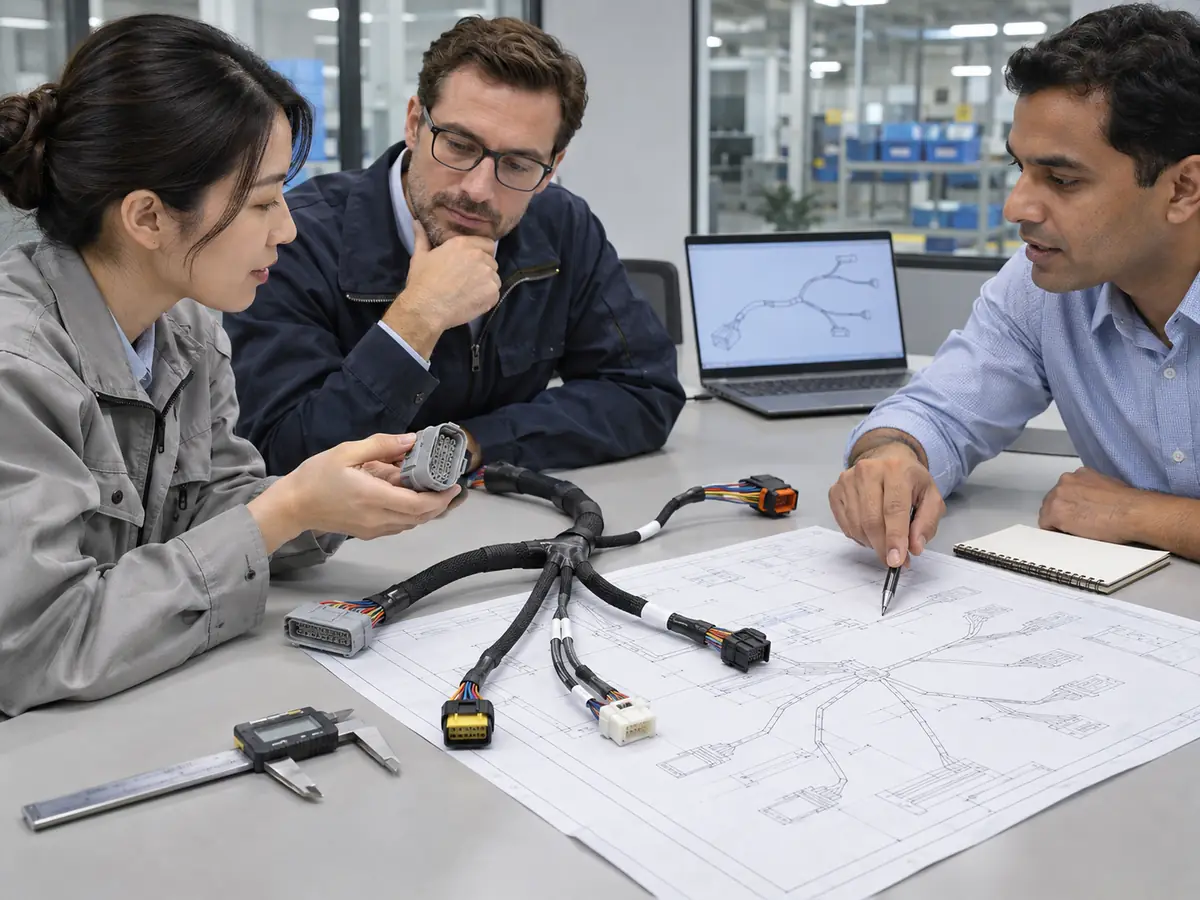
Align connector sourcing, drawing revisions, sample approval, and inspection records across your project. Clarify component alternatives and test responsibilities before committing to a production order.
Use these questions to prepare a clear RFQ and compare manufacturing proposals. A defined specification is more useful than a broad claim of quality.