顶级制造商

OEM BATTERY INTERCONNECT SOLUTIONS

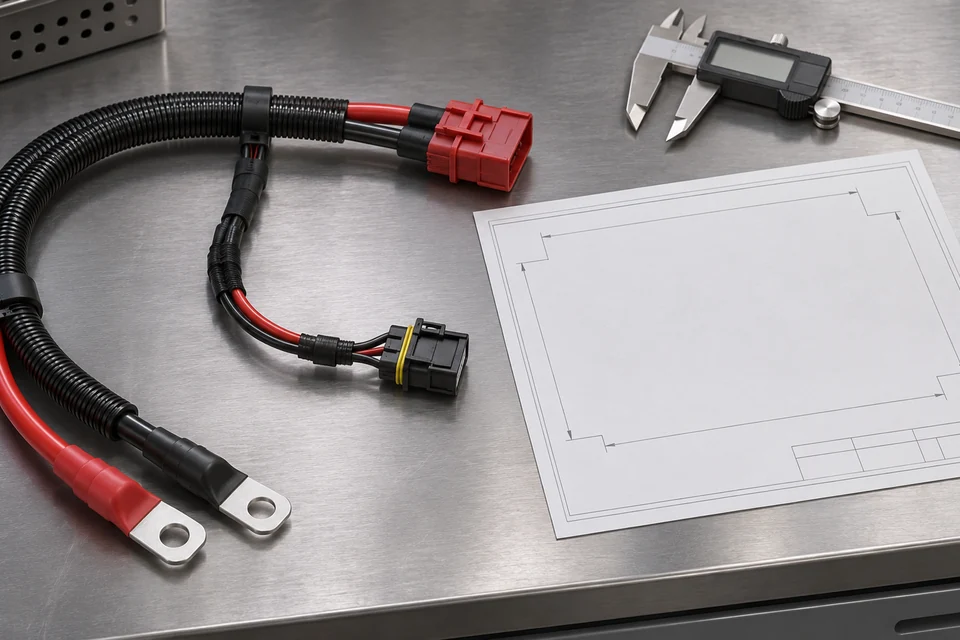
Custom Battery Wire Harness Manufacturer

Drawing-based battery power, BMS sensing and temperature-sensor harnesses for OEM battery packs and equipment. Send your pinout, BOM and installation requirements for a manufacturing review.

  • Drawing, sample and BOM-based development
  • Connector, cable and routing customization
  • Prototype and production project support

Battery Power and Signal Connections, Built to Your Drawing

Xinshao develops custom battery wire harnesses around the interfaces inside your battery pack and between the pack, controller, charger and equipment. Power paths and low-current sensing circuits need different cable, termination and inspection decisions.

Specify the pack voltage, continuous and peak current, routing envelope, mating connectors and environmental conditions. We review these inputs with your drawings or sample before agreeing a build specification. The configurations below are customization directions; final assemblies follow your approved BOM.

Battery Harness Configurations for OEM Projects

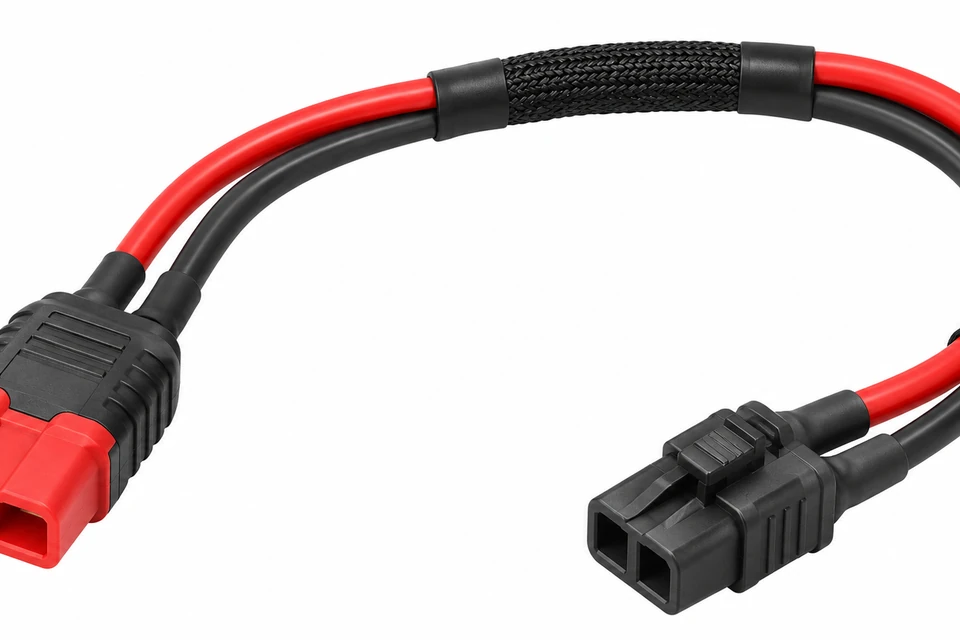
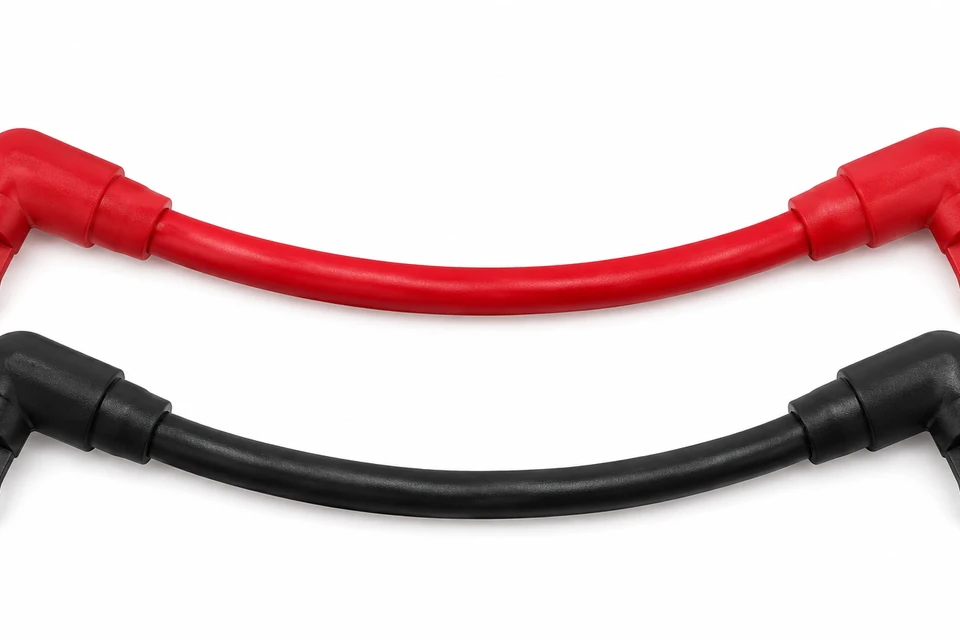
battery-pack-power-harness

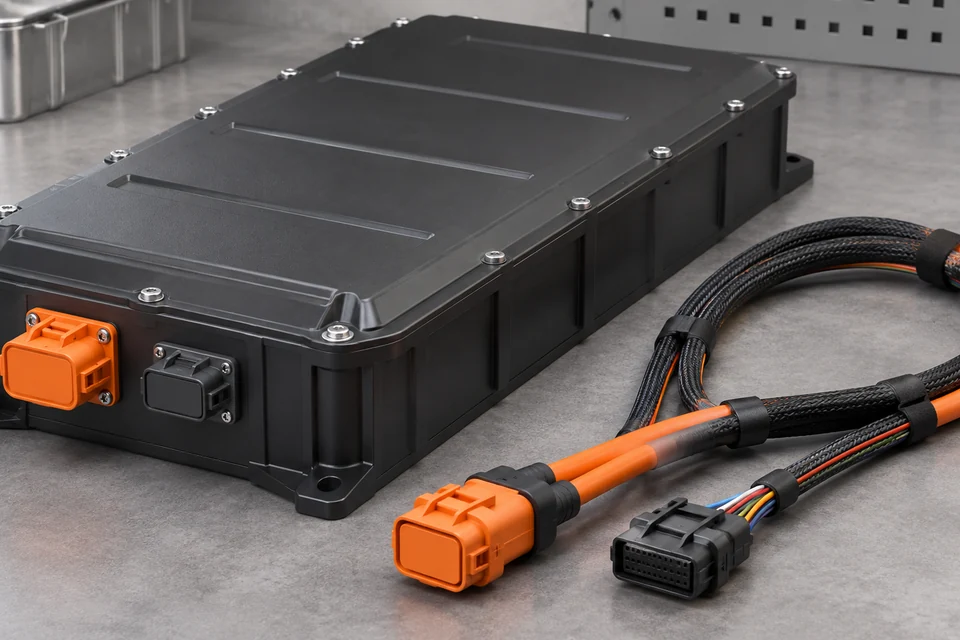
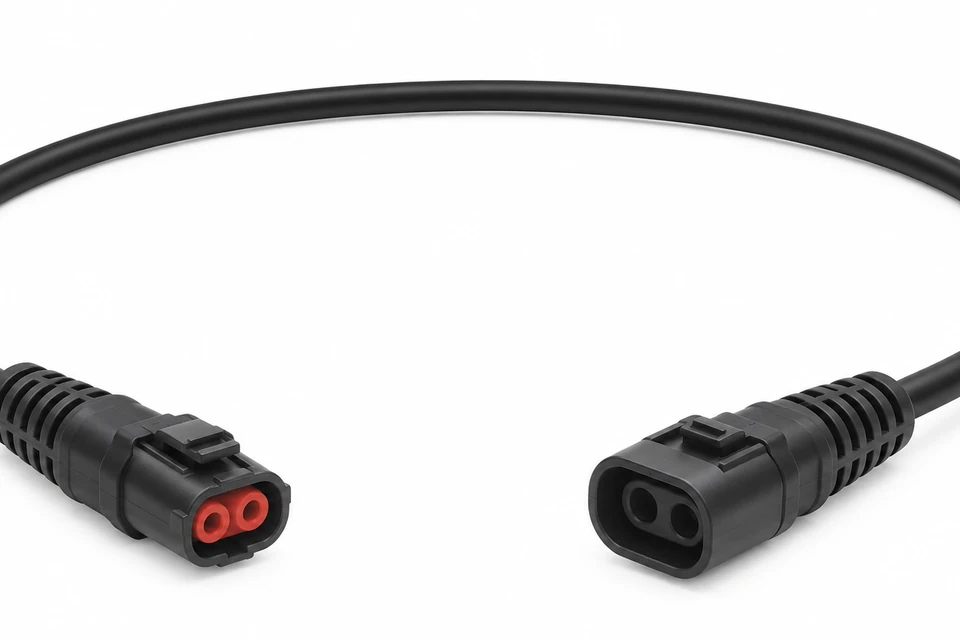
Battery Pack Power Harnesses

Specify cable gauge, mating power connectors, polarity and routing for your pack-to-equipment connection.

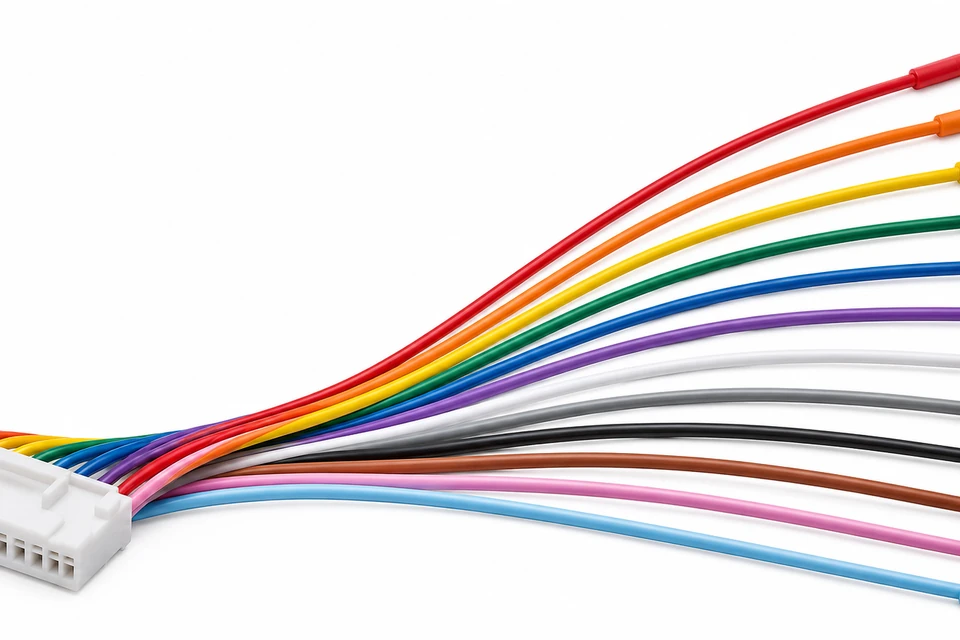
bms-sense-wire-harness

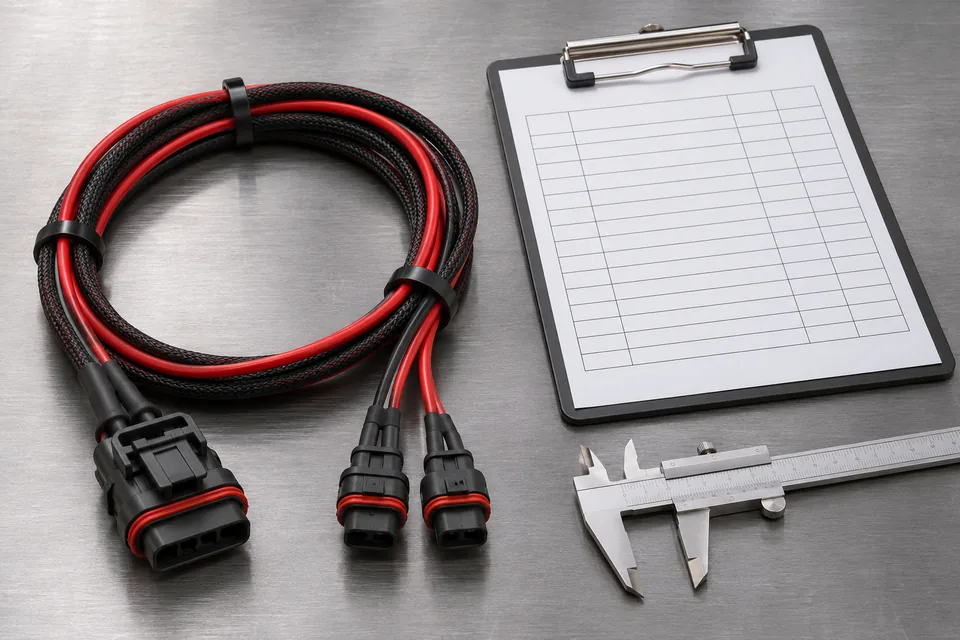
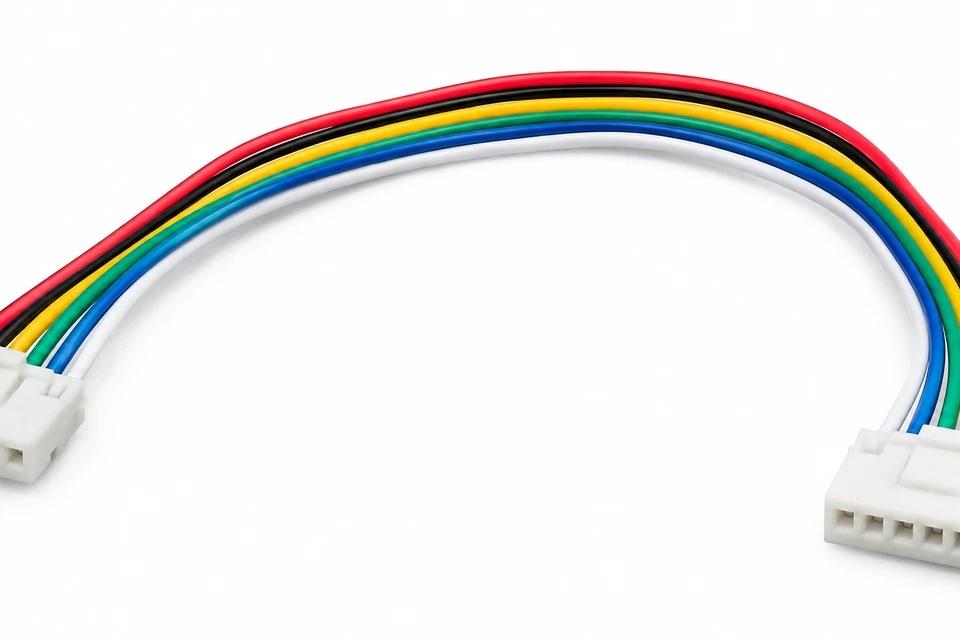
BMS Sense Wire Harnesses

Define cell-tap sequence, connector cavities and branch lengths for the selected battery management system.

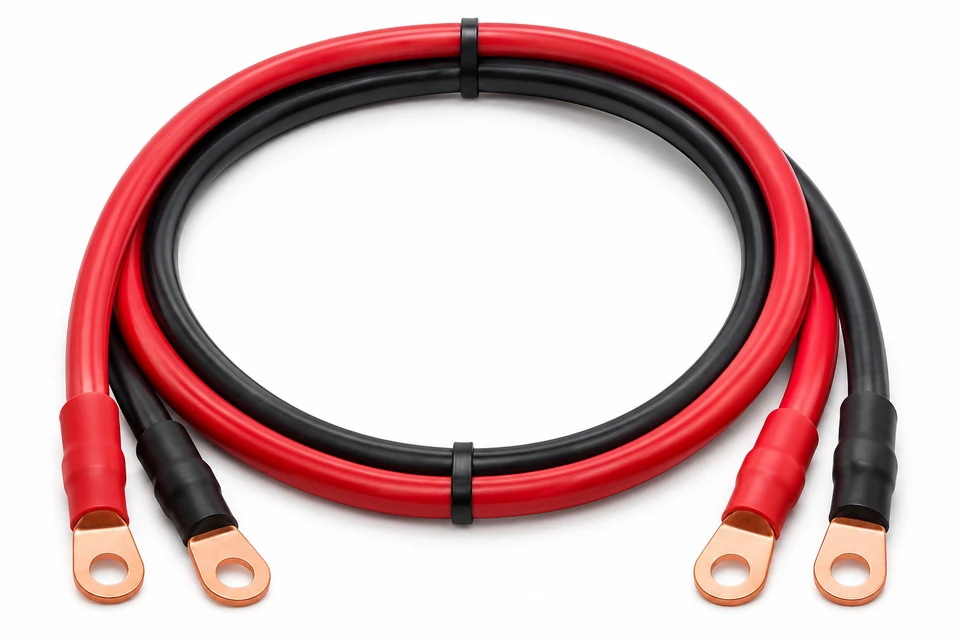
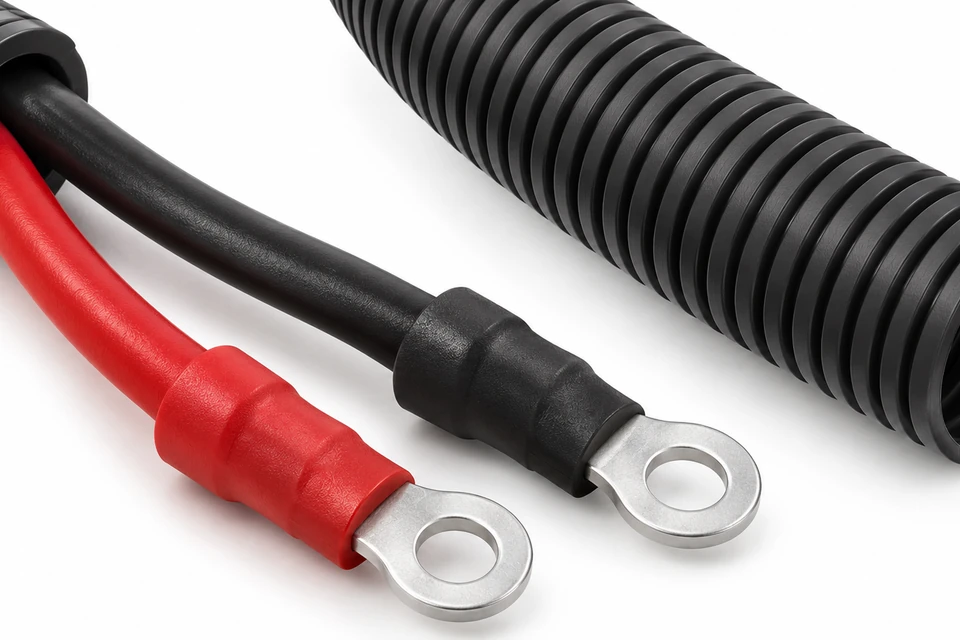
battery-ring-terminal-cables

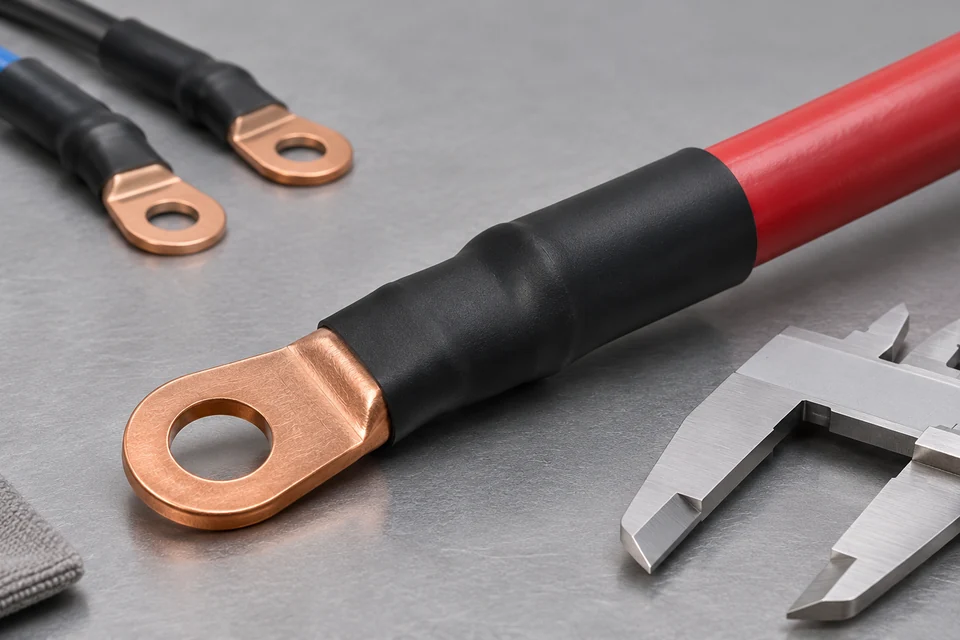
Battery Ring-Terminal Cables

Configure lug hole size, terminal angle, cable length and insulation coverage to match the installation.

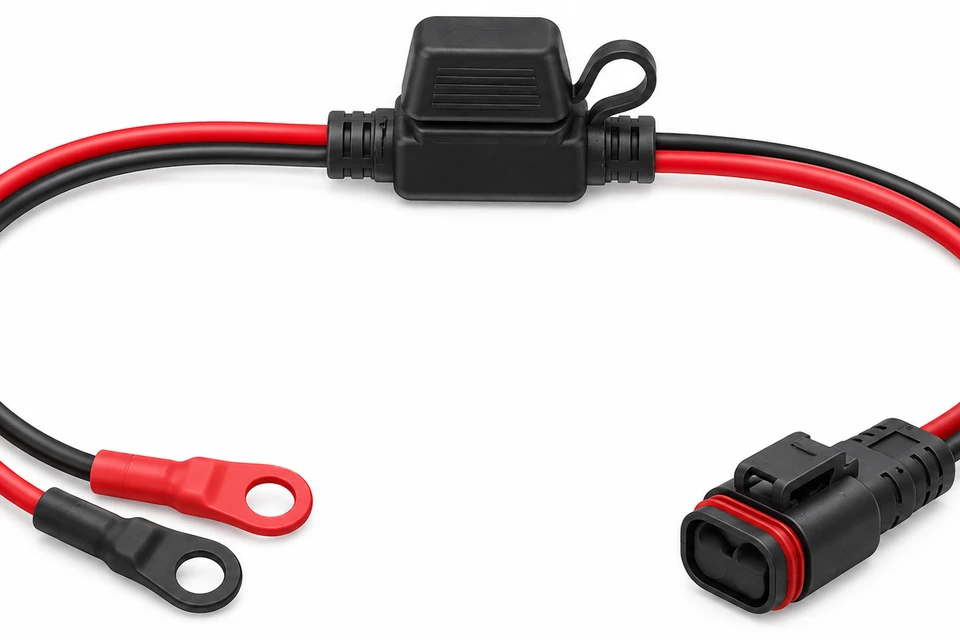
fused-battery-wire-harness

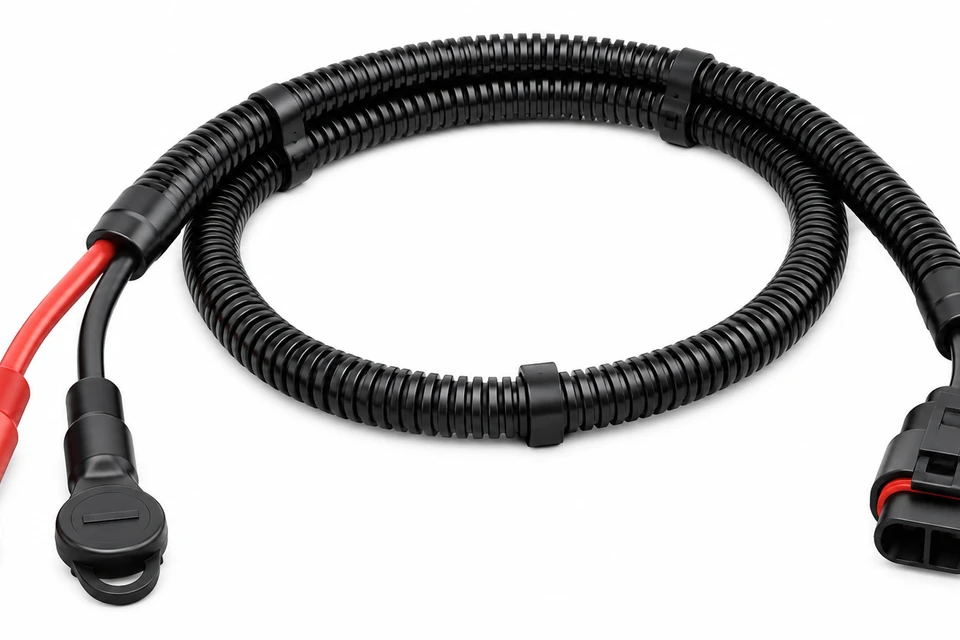
Fused Battery Harnesses

Specify the fuse, holder and service access; protection coordination remains part of the system design.

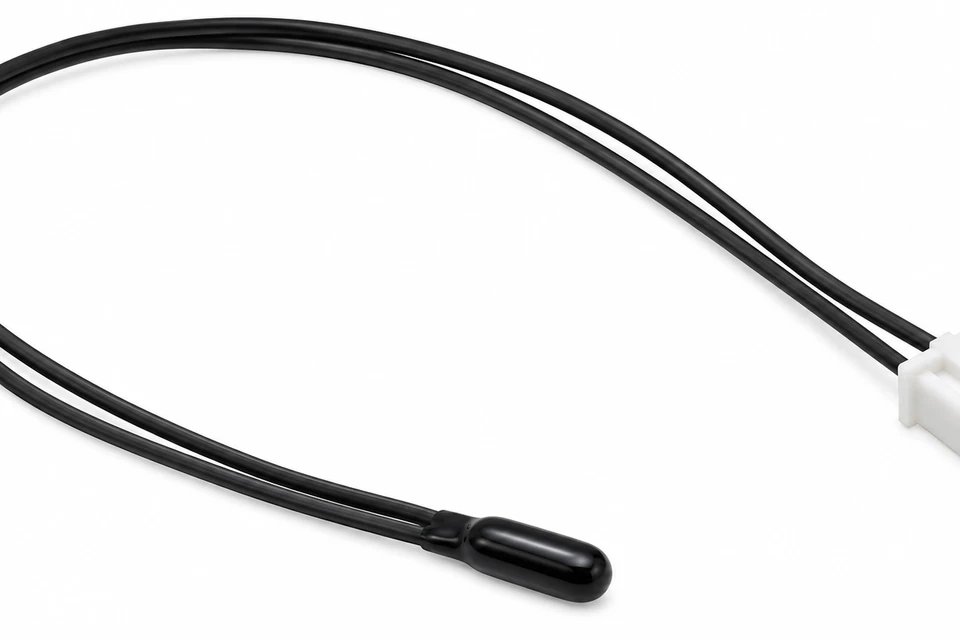
battery-temperature-sensor-harness

Battery Temperature-Sensor Harnesses

Define sensor characteristic, probe mounting, lead length and interface for temperature monitoring.

battery-module-interconnect-harness

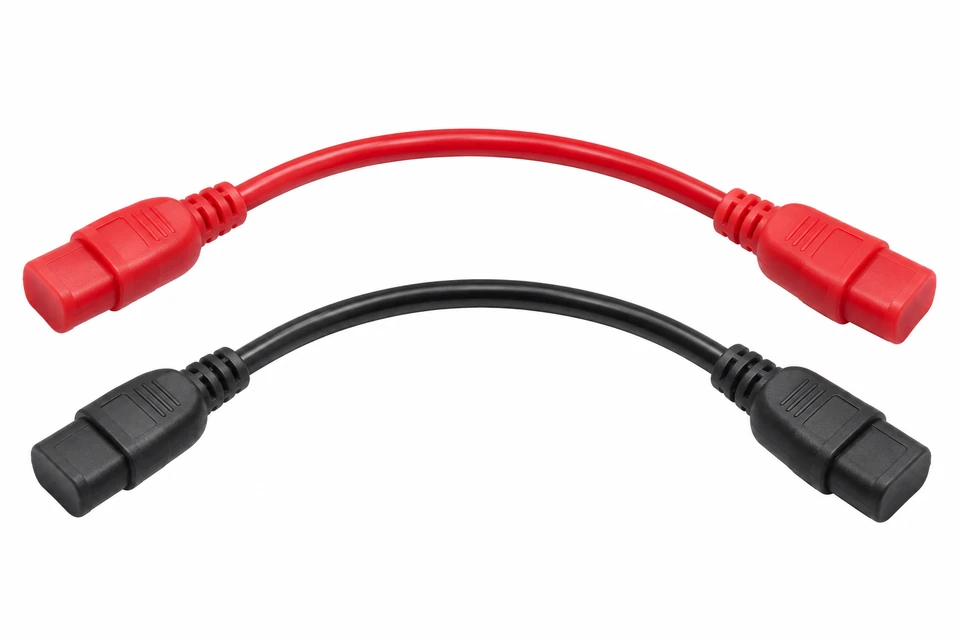
Battery Module Interconnect Harnesses

Coordinate module spacing, terminal orientation, strain relief and service clearances.

6 Products Found.

Built Around Your Assembly Requirements

01

Design Flexibility

Specify connectors, wire lengths, branching, protection and labeling for your installation.

02

Engineering Review

Discuss your drawings and assembly requirements before starting a new build.

03

Scalable Support

Plan prototype and production requirements around the needs of your project.

04

Project Coordination

Align drawings, revisions and inspection requirements before manufacture.

Review Battery Interfaces Before Committing to Production

A cable gauge alone does not establish a harness current rating. Connector contacts, crimp quality, cable length, bundling, ambient temperature and duty cycle affect the complete assembly. Define peak-current duration and acceptable voltage drop as well as continuous load.

For BMS circuits, confirm cell-tap sequence, polarity, cavity numbering and connector orientation. Agree inspection limits, test points and any sample thermal validation before production. Harness continuity checks do not replace battery-pack safety validation.

battery-harness-design-review

Define the Battery Harness Before Sampling

battery-harness-branch-routing
battery-harness-connector-options

Start with a controlled drawing: connector and terminal part numbers, wire specification, branch lengths, tolerances, pin-to-pin connections, protection and identification. Identify BMS cell-tap order and temperature-sensor characteristics separately from power wiring.

Confirm material availability and tooling during DFM review, then approve a sample against the agreed drawing and inspection plan. Freeze the revision before repeat builds. Connector substitutions require your approval; similar housings do not establish electrical or mechanical equivalence.

Include prototype quantity, production batch size, annual forecast and delivery destination. Sample and production schedules depend on component availability, engineering approval and validation requirements.

battery-harness-wire-materials

Specify Conductors, Insulation and Protection

Match cable and insulation specifications to pack voltage, temperature, routing and exposure. Material names alone do not establish the rating of a finished assembly.

  • Wire gauge, conductor construction, insulation rating and color
  • Connector housing, contacts, mating half and cavity assignment
  • Sleeving, abrasion protection, strain relief and identification
battery-harness-crimp-inspection

Plan Polarity, Crimp and Connection Checks

Define acceptance criteria for the actual build. Agree which checks require recorded results or first-article documentation.

  • Crimp setup, terminal retention and agreed pull-test sampling
  • Branch dimensions, terminal orientation and protective finishing
  • Pin-to-pin continuity, polarity and project-specific electrical tests

Who We Support

battery-pack-oem-integration

Battery Pack and Equipment OEMs

Coordinate pack power outputs, charging interfaces and sensing connections with enclosure clearances and assembly access. Share your system-level requirements for a drawing-based review.

battery-harness-procurement-review

Battery Engineering and Sourcing Teams

Control connector sourcing, approved alternatives, revision history and inspection documentation. Compare quotations against the same BOM, test coverage and delivery assumptions.

Battery Wire Harness Procurement Guide

Prepare the right project information for a more useful engineering review and quotation.

Send the drawing or sample, BOM, pack voltage, continuous and peak current with duration, connector part numbers, pinout, branch lengths, quantities and delivery destination. Include environmental limits and inspection requirements; incomplete inputs can be identified during review.
No. Cable length, voltage drop, insulation temperature rating, ambient heat, bundling, terminal limits and duty cycle must also be reviewed. Agree the assembly design and any required temperature-rise validation with the responsible system engineer.
Provide the BMS interface drawing, cell-tap sequence, cavity numbering and connector viewing direction. Define polarity and continuity test points. Review the connection sequence against the battery and BMS supplier instructions.
Define visual and dimensional acceptance, crimp and retention criteria, continuity and polarity checks, and any insulation or dielectric tests appropriate to the design. Request FAI or test records in the RFQ. Test voltages and coverage must be agreed before manufacture.
These are custom cable and wire harness assemblies. Cells, BMS design, pack certification and system safety approval are separate project responsibilities. Component compliance and documentation must be confirmed for the specified parts and destination.
Review the drawing and BOM, confirm components and tooling, build samples, approve inspection results and freeze the revision. Confirm production quantities and material availability before committing to a delivery schedule.

Send Your Inquiry Today

Send Your Inquiry Today