XINSHAO · OEM INTERCONNECT SOLUTIONS
Custom sealed cable assemblies for equipment exposed to moisture, spray and demanding installation environments. Start with your drawing, mating interface and required protection conditions.
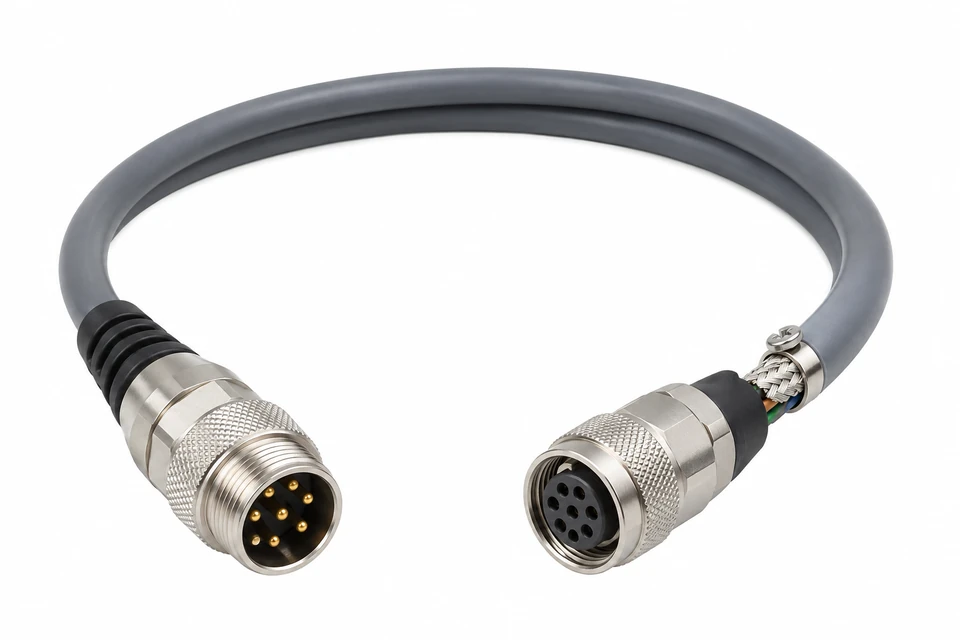
Xinshao supports drawing-based waterproof cable assembly projects for OEM procurement and engineering teams. Configure circular connectors, sealed power interfaces, panel feedthroughs or branched layouts around your equipment.
Waterproof performance belongs to the complete assembly in a defined installation state. Specify the required ingress protection, exposure conditions and mating components before selecting the connector, cable jacket or sealing process. An overmold alone does not establish an assembly IP rating.
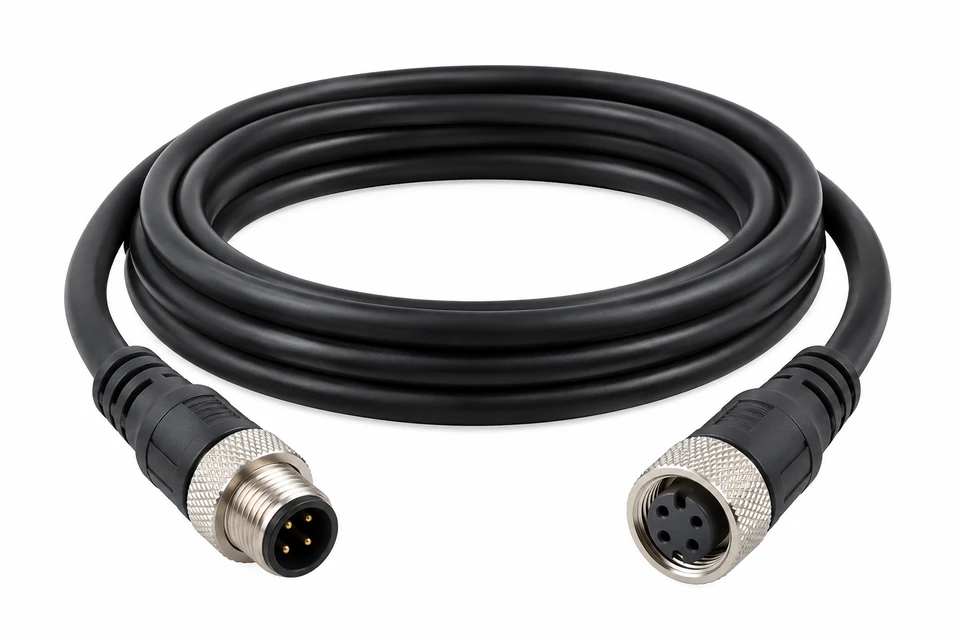
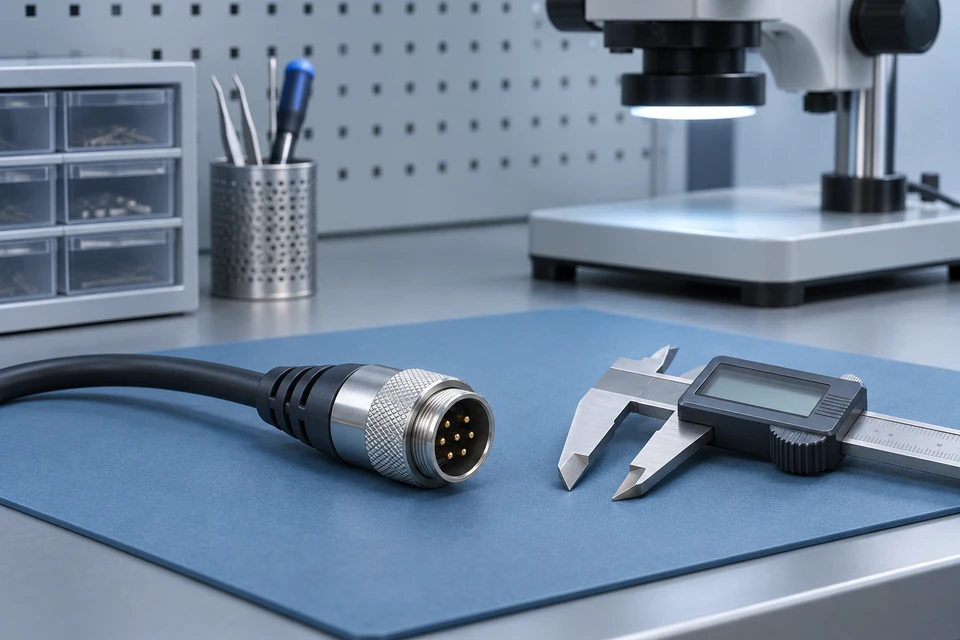
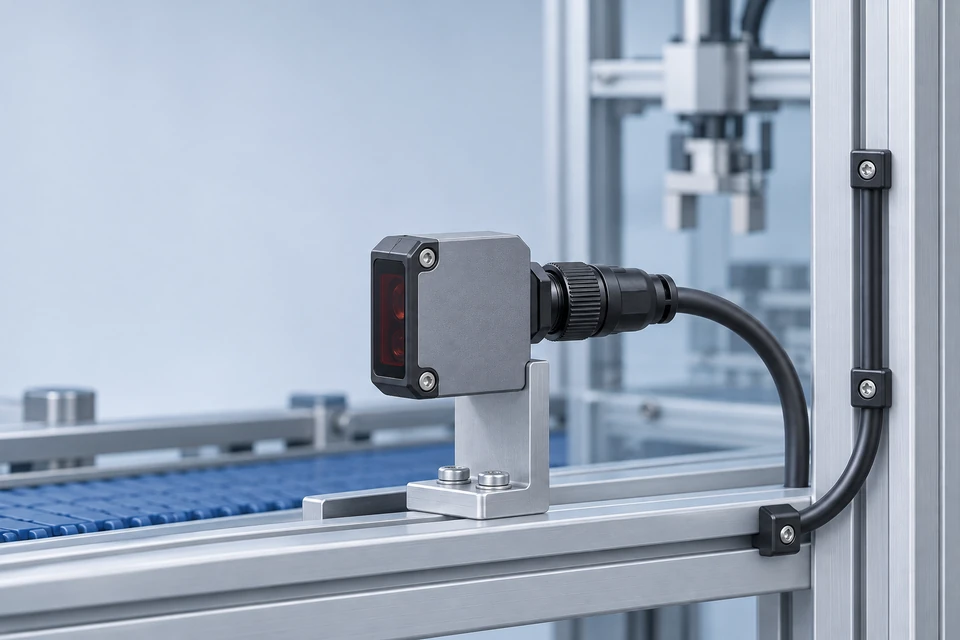
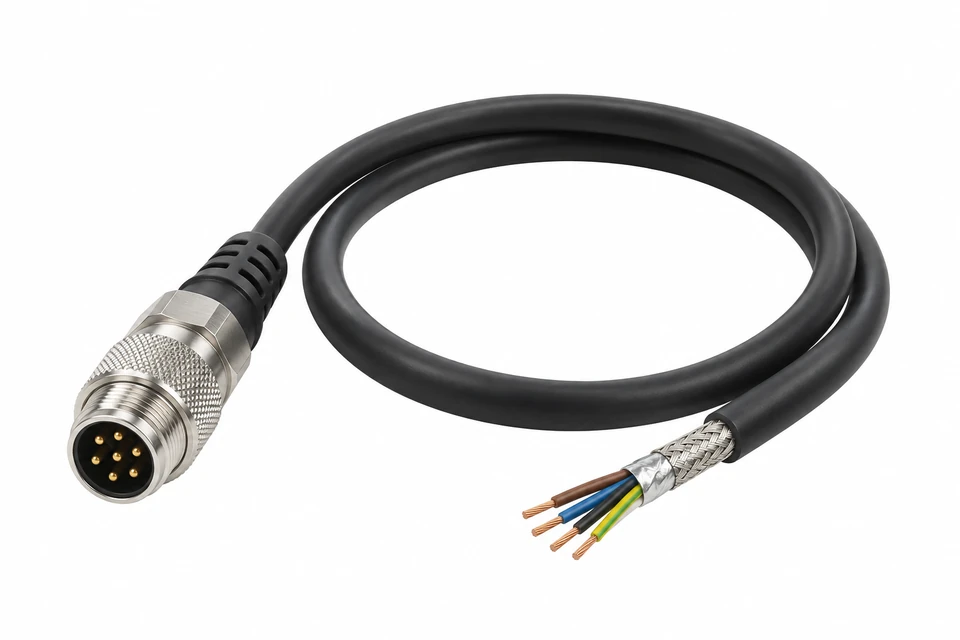
Specify coding, pole count, straight or angled exits and the mating sensor interface.
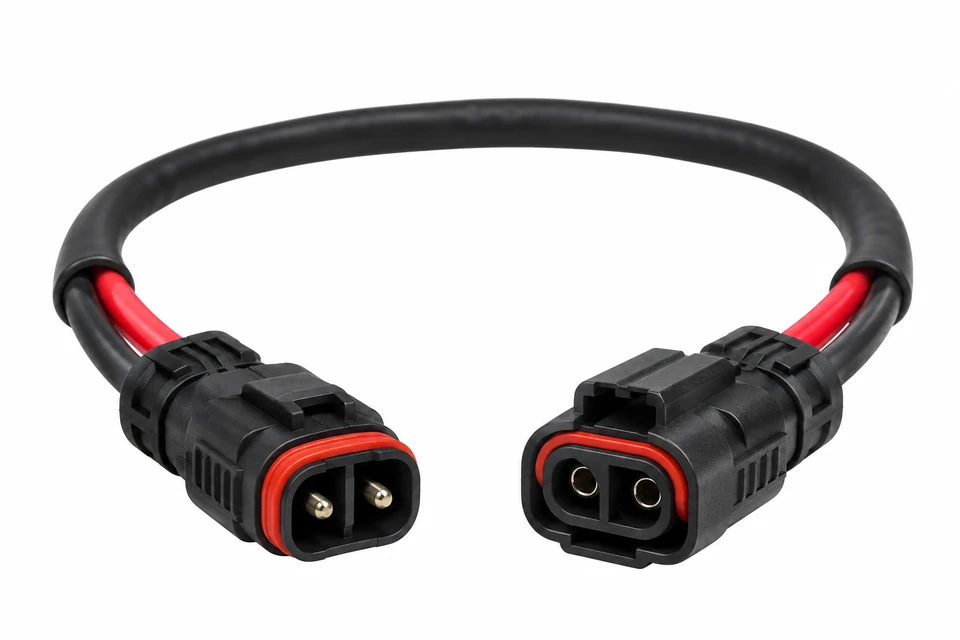
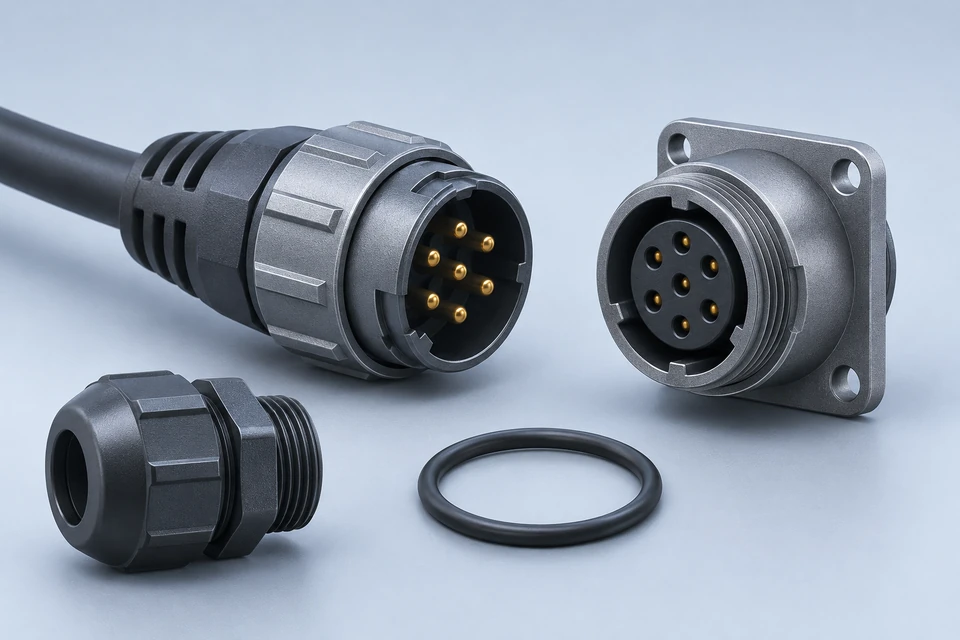
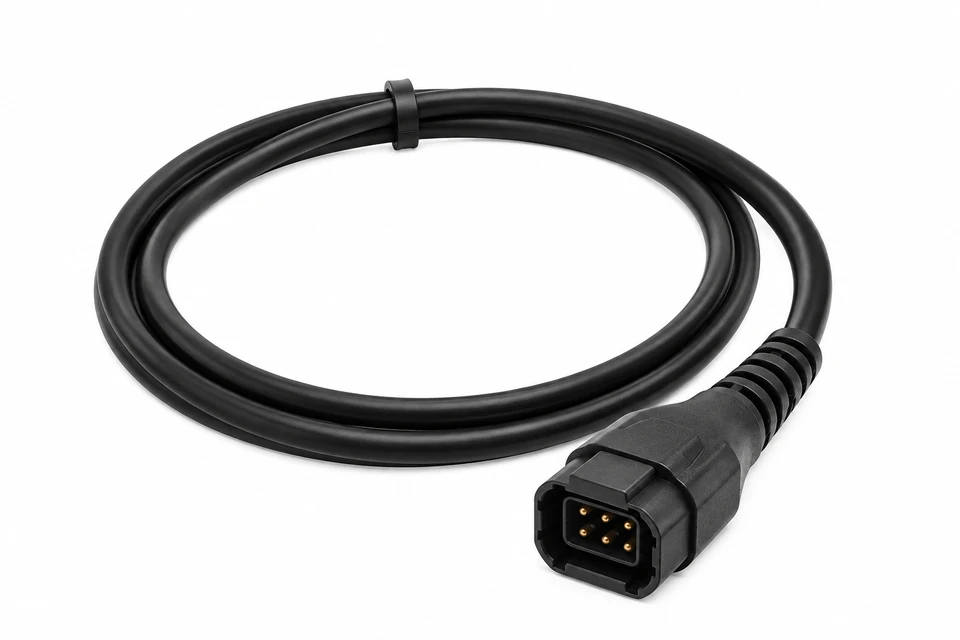
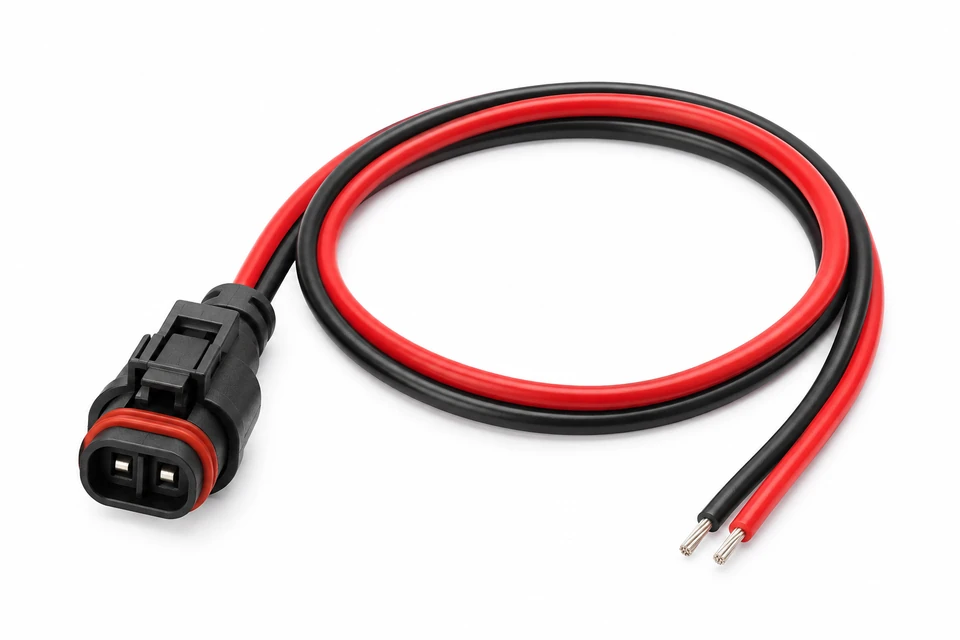
Define current, conductor size, contact system and cable-entry sealing for your power circuit.
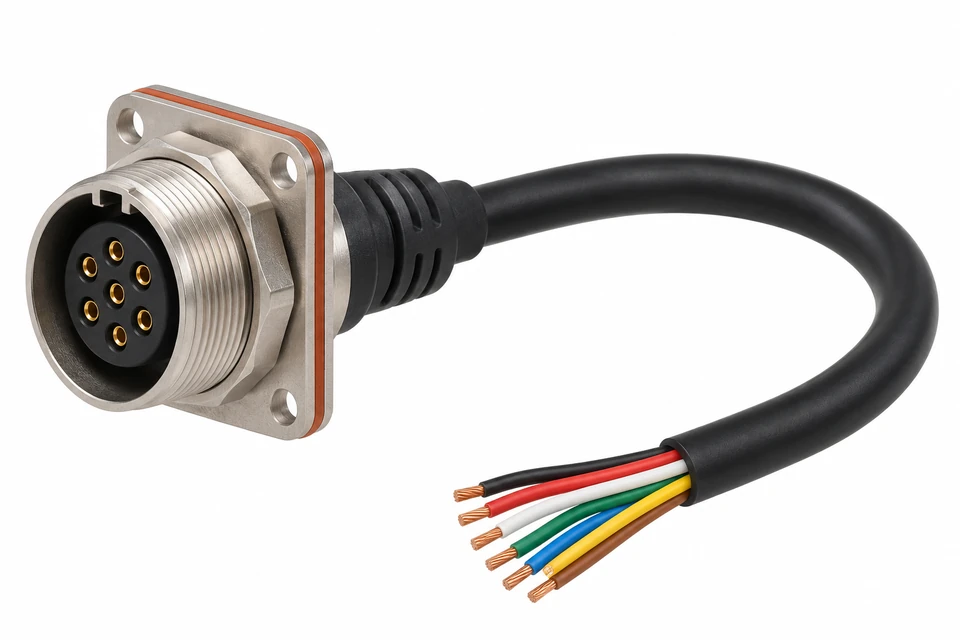
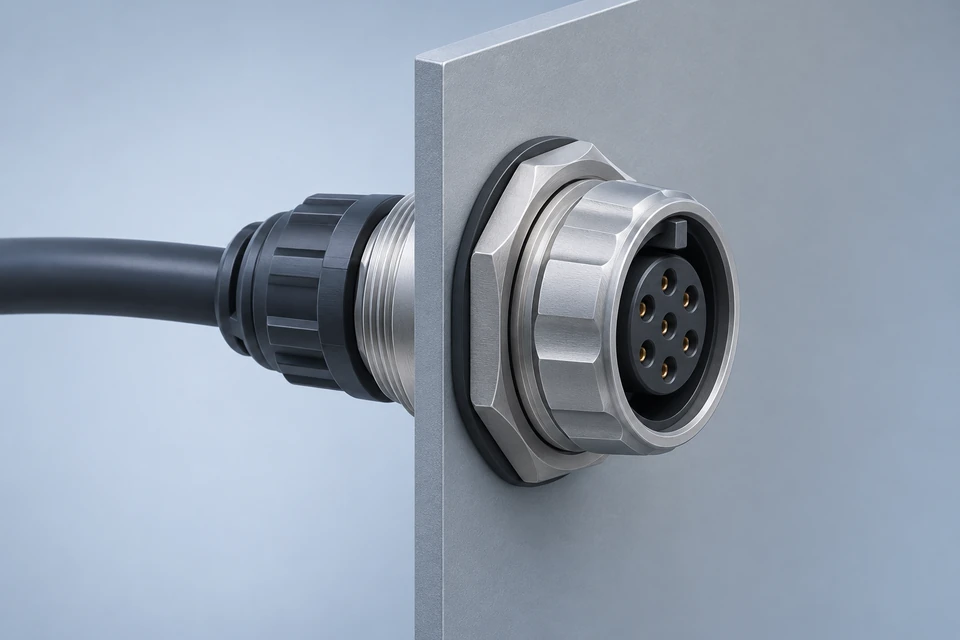
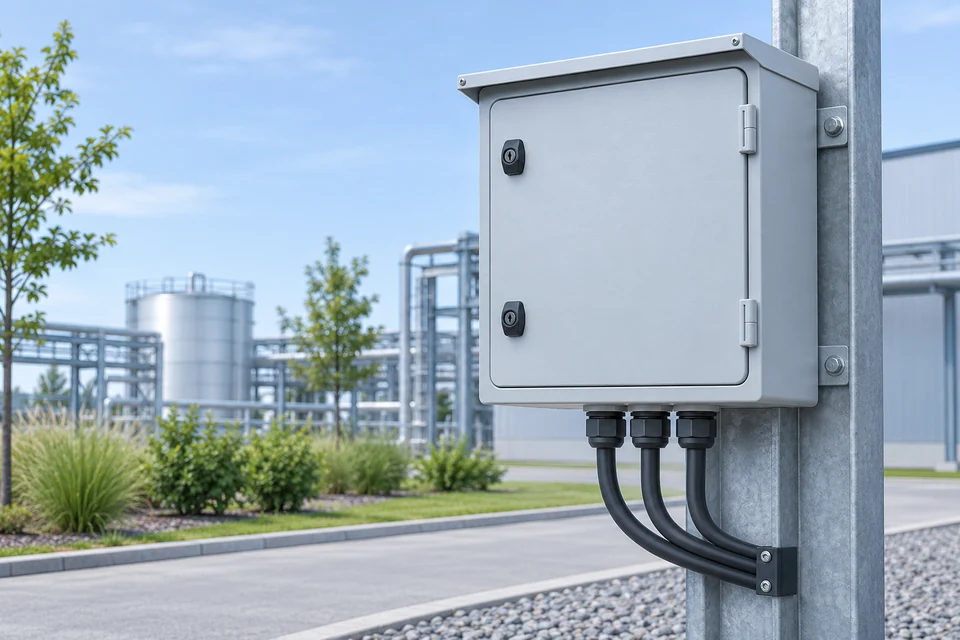
Coordinate bulkhead geometry, panel thickness, gasket compression and internal terminations.
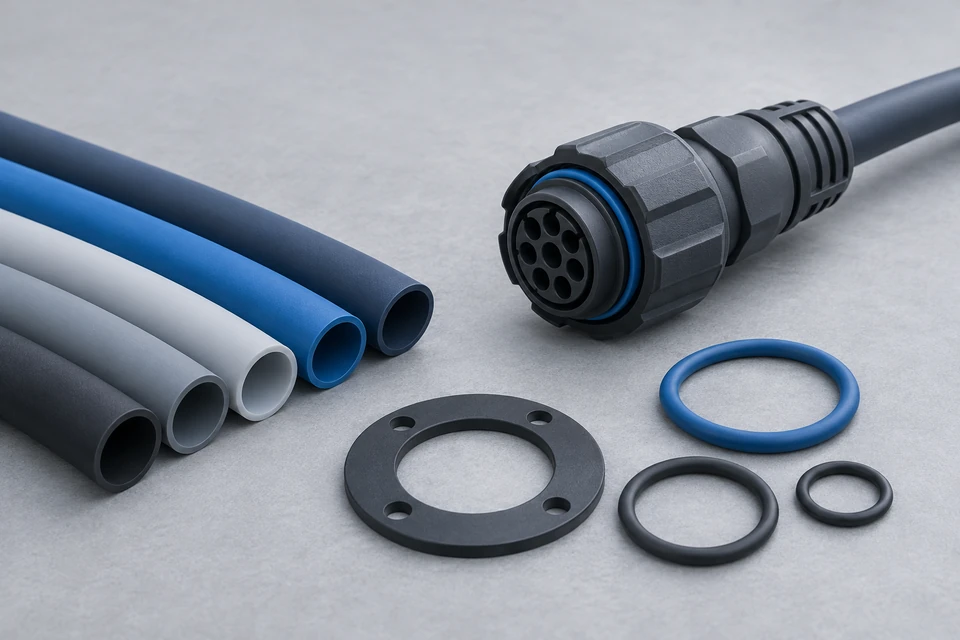
Review jacket compatibility, molded strain relief and tooling around the approved connector.
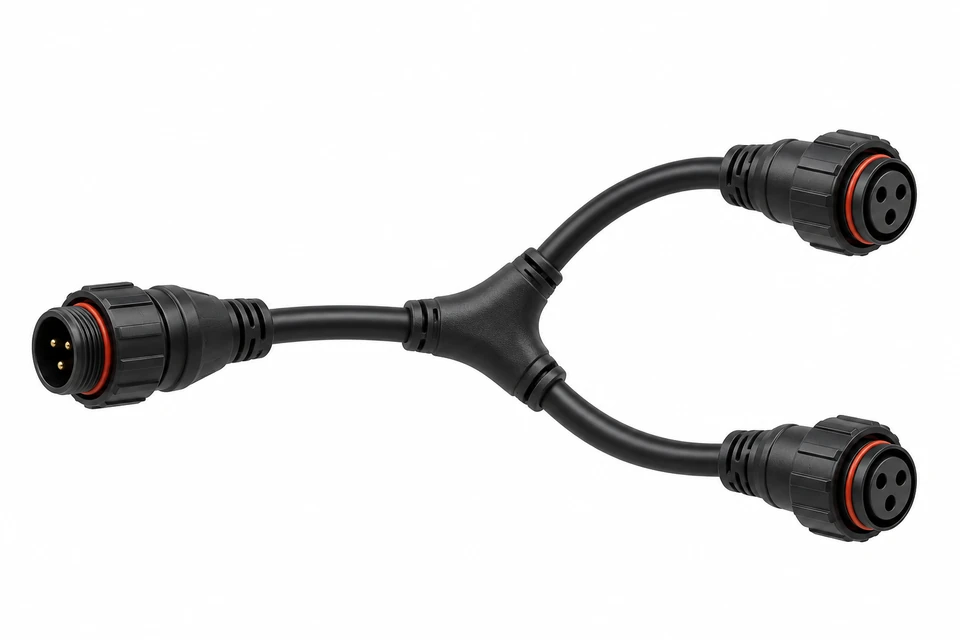
Route multiple circuits with defined branch lengths, splice protection and mounting points.
Plan shield continuity, connector termination and the equipment grounding interface together.
6 configuration directions · Built to approved requirements
01
Confirm the exact mating part, locking method, seal set and assembly instructions.
02
Align cable length, pinout, branches and exit orientation with the equipment layout.
03
Agree water exposure, electrical checks and reporting before prototype approval.
04
Release the drawing, BOM and approved component alternatives together.
Review the connector interface, cable entry and enclosure boundary together. Request the component application instructions and an assembly-level validation plan for the actual mating and mounting conditions.
Xinshao can review your drawings and BOM for manufacturability. Original connectors and proposed alternatives must be identified separately; any substitution needs your approval. Confirm required FAI, traceability and compliance documentation during RFQ review.
Specify connector manufacturer and part numbers, mating halves, contact arrangement, pinout, conductor size, shield construction, finished length and tolerances. Include branch dimensions, cable exits and enclosure interfaces.
Define whether protection is required while mated, unmated with a cap, or permanently installed. Add temperature, chemicals, UV exposure, movement, cleaning method and service access requirements so material selection reflects actual use.
Development follows requirement review, component and tooling assessment, prototype build, agreed verification and customer approval before production release. Timing and tooling costs depend on component availability, design complexity, order quantity and validation scope.
Choose cable jacket, seals and molding material as a compatible system. Material family names alone do not establish resistance to every temperature or chemical.
Define the assembly instructions and acceptance criteria before production. Electrical inspection and environmental qualification answer different questions.
Align enclosure interfaces, weather exposure and maintenance needs for outdoor controls, lighting and equipment.
Coordinate sensor interfaces, machine routing, cleaning conditions and approved BOMs across prototype and production sourcing.
Resolve sealing conditions and acceptance requirements before requesting a production quotation.