顶级制造商

OEM MARINE INTERCONNECT SOLUTIONS

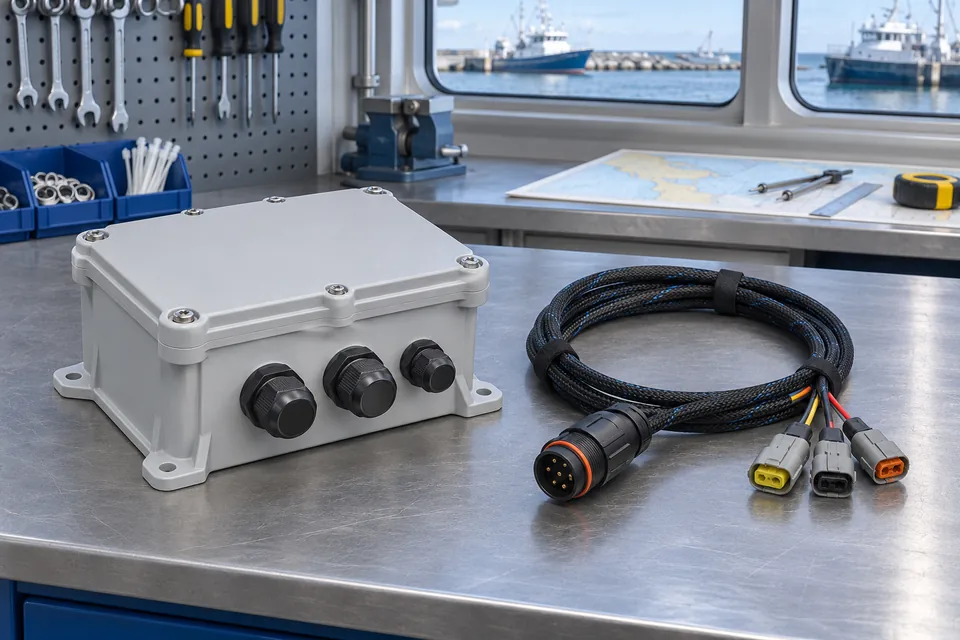
Marine Wiring Harness Manufacturer

Xinshao develops custom marine wiring harnesses for boat builders and equipment OEMs. Bring your drawing, sample or BOM to review power, control and signal connections around the vessel installation.

  • Drawing-based branches, pinouts and connector selection
  • Materials reviewed for the installation environment
  • Prototype-to-production support with agreed acceptance criteria

Custom Marine Harnesses for OEM Integration

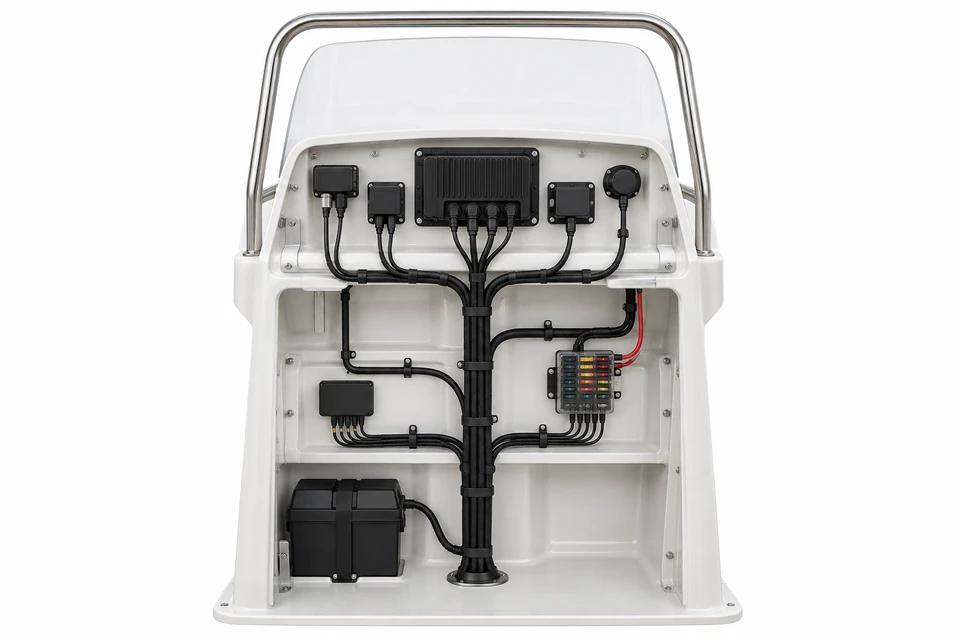
A marine harness must fit the circuit design and the physical route through the vessel. Xinshao supports configurable cable assemblies for consoles, pumps, lighting, sensors and auxiliary equipment, with branch locations and service interfaces defined in the approved drawing.

Share the mounting location, splash or immersion exposure, vibration, heat and chemical contact conditions. We review component selection and manufacturing details with your team; ingress performance, regulatory requirements and validation scope remain specific to the finished design.

Marine Wiring Harness Solutions

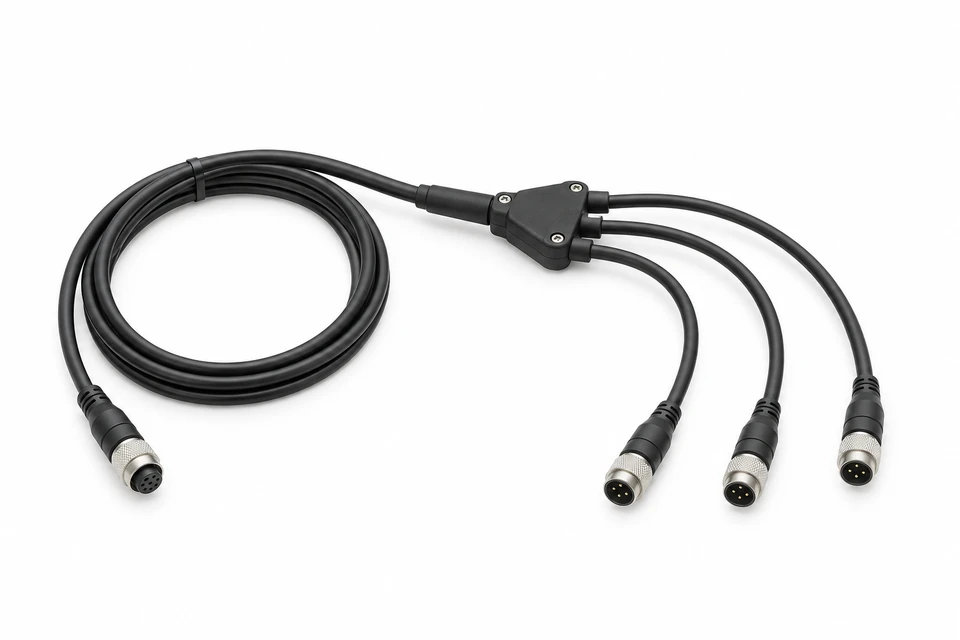
marine-power-distribution-harness

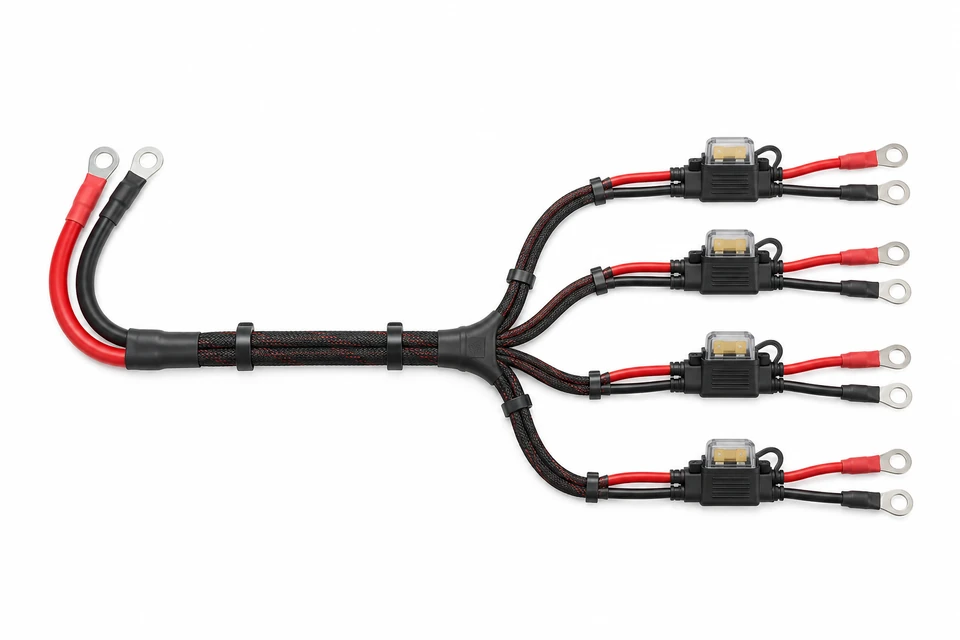
Marine Power Distribution Harnesses

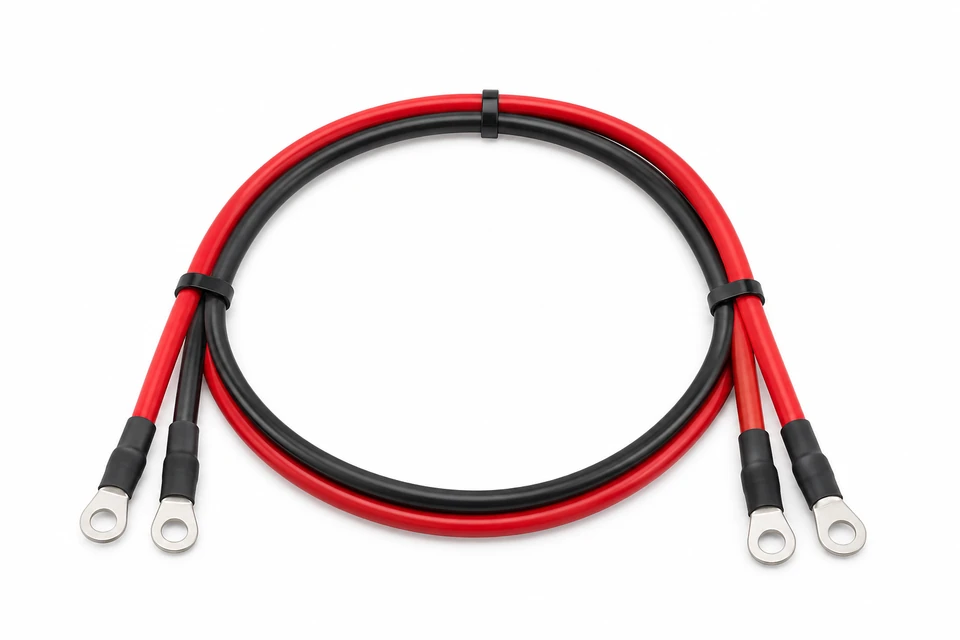
Configure supply and return circuits, fuse interfaces and ring terminals around load current, cable run and installation access.

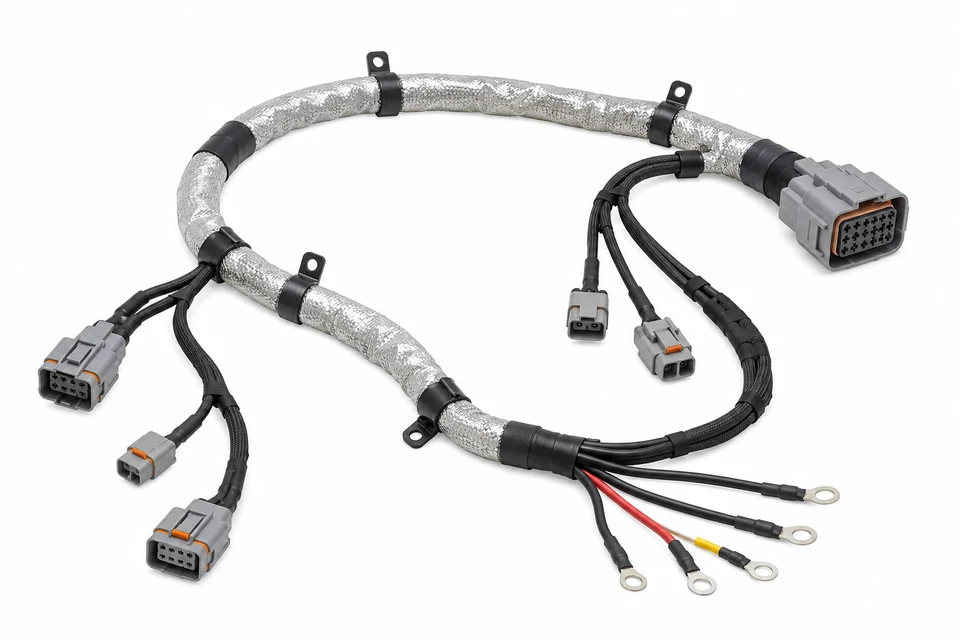
marine-console-control-harness

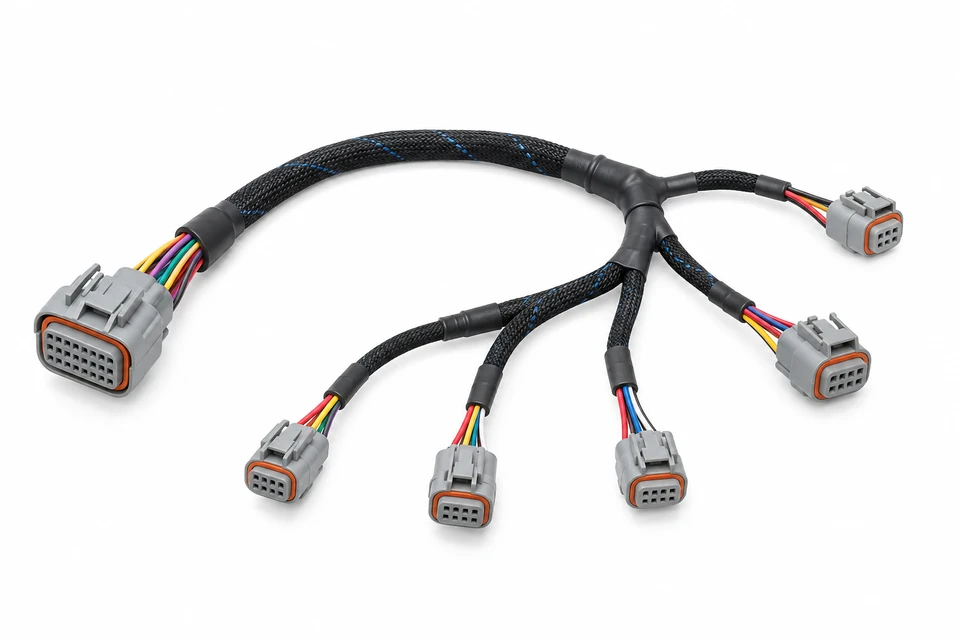
Console & Control Harnesses

Coordinate helm switches, indicators and control modules with approved pinouts, branch lengths and service disconnects.

marine-bilge-pump-harness

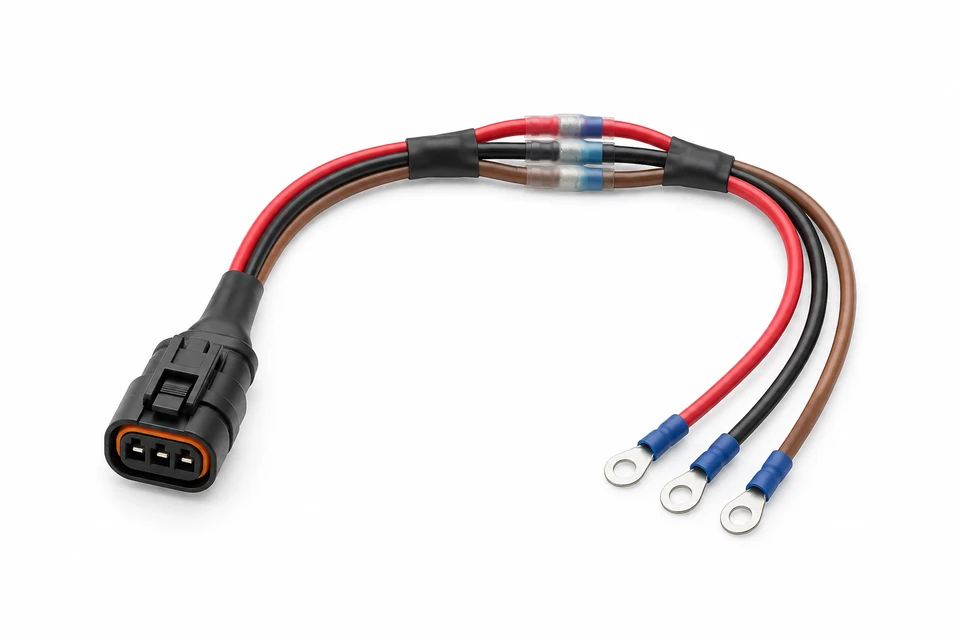
Bilge Pump Harnesses

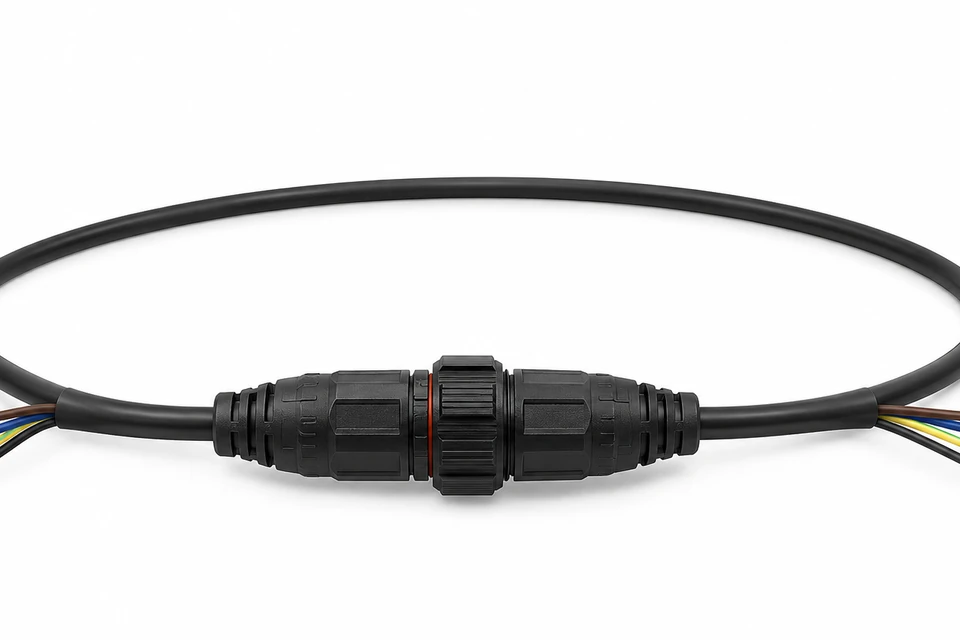
Specify pump and float-switch interfaces, connection locations and sealing requirements for the actual bilge environment.

marine-navigation-light-harness

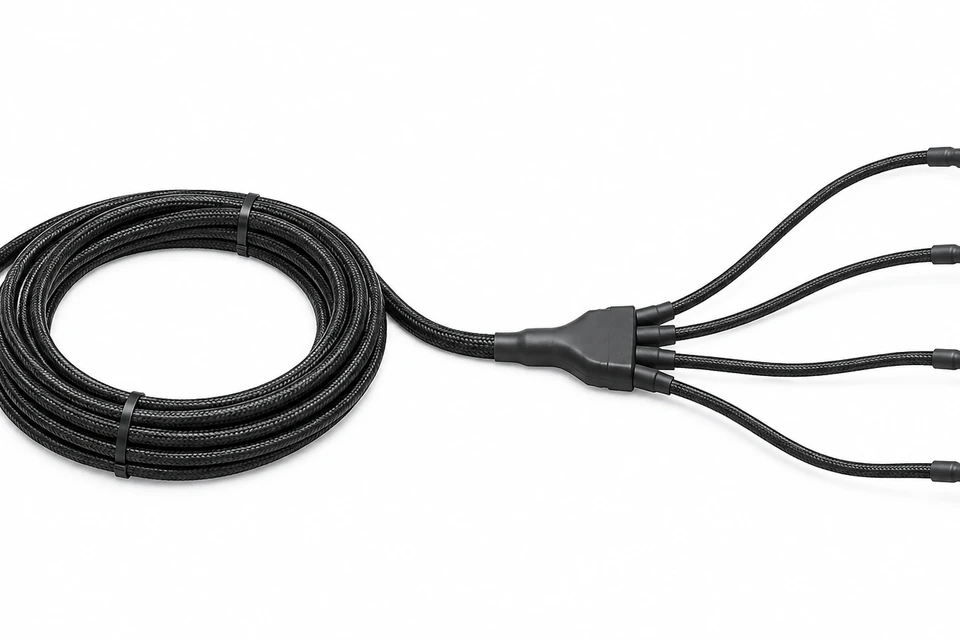
Navigation & Deck Light Harnesses

Organize lighting branches, connectors and identification around the boat layout and maintenance requirements.

marine-sensor-signal-harness

Sensor & Signal Harnesses

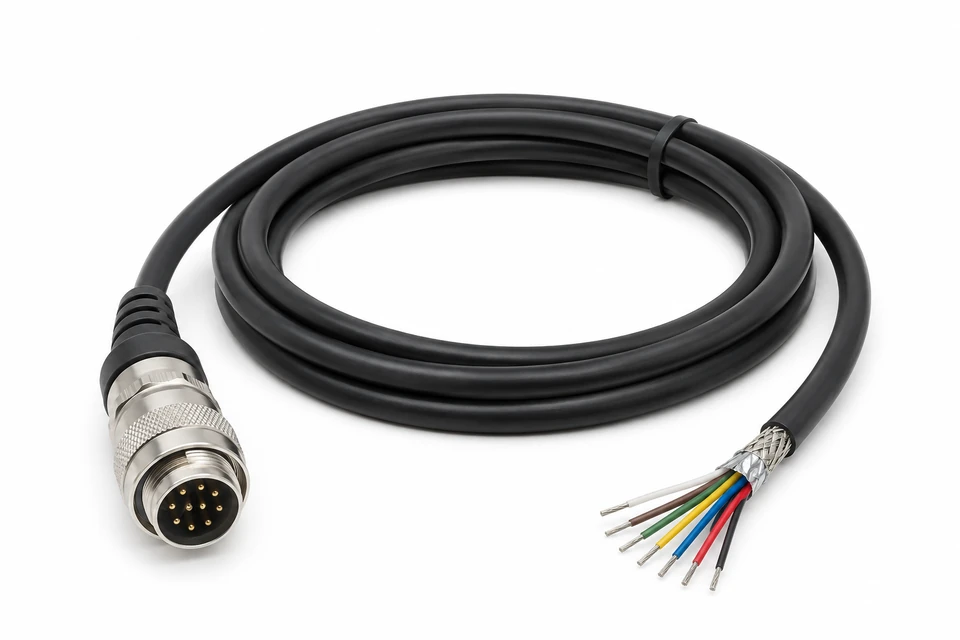
Define sensor interfaces, shielding termination and routing separation from power wiring before releasing the build.

marine-engine-auxiliary-harness

Engine Auxiliary Harnesses

Review heat exposure, vibration, fluid contact and mounting points for auxiliary sensors and equipment connections.

6 Harness Categories

Support for Your Marine Harness Project

01

Drawing-Based Configuration

Control branch lengths, connector orientation, mounting points and labels against your assembly drawing.

02

Component Review

Assess exact cable and connector specifications for installation and mating requirements.

03

Prototype Support

Use sample builds to resolve routing, access and interface questions before production release.

04

Revision Coordination

Align approved BOMs, drawings and acceptance requirements for repeat orders.

Review the Manufacturer Against Your Vessel Requirements

Start supplier evaluation with the assembly specification, approved component sources and inspection records your project needs. Identify any destination, vessel-class or customer requirements early so their scope can be assessed before a production commitment.

Ask how substitutions, drawing changes and nonconforming components will be handled. For exposed connections, review the complete sealing path and strain relief, including cable entries and service joints, rather than relying on a single component rating.

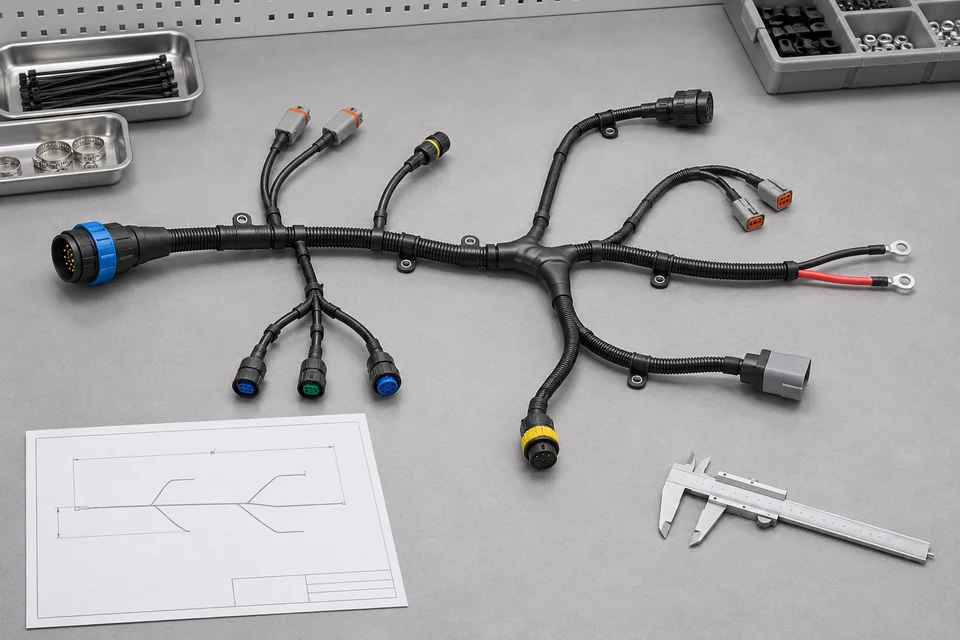
marine-harness-design-review

Configure Routing, Branches & Service Interfaces

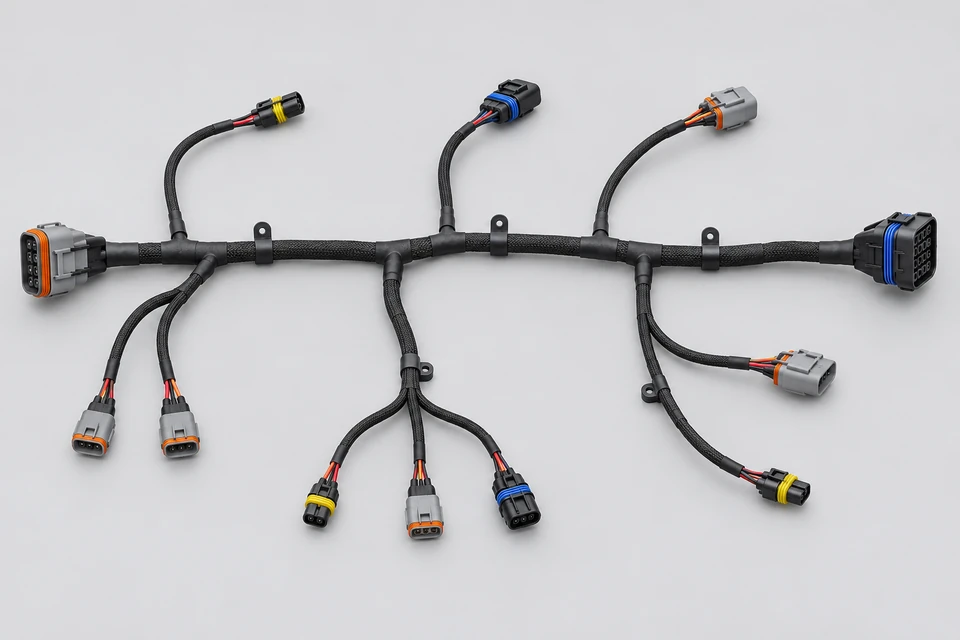
marine-harness-branch-routing
marine-harness-connector-detail

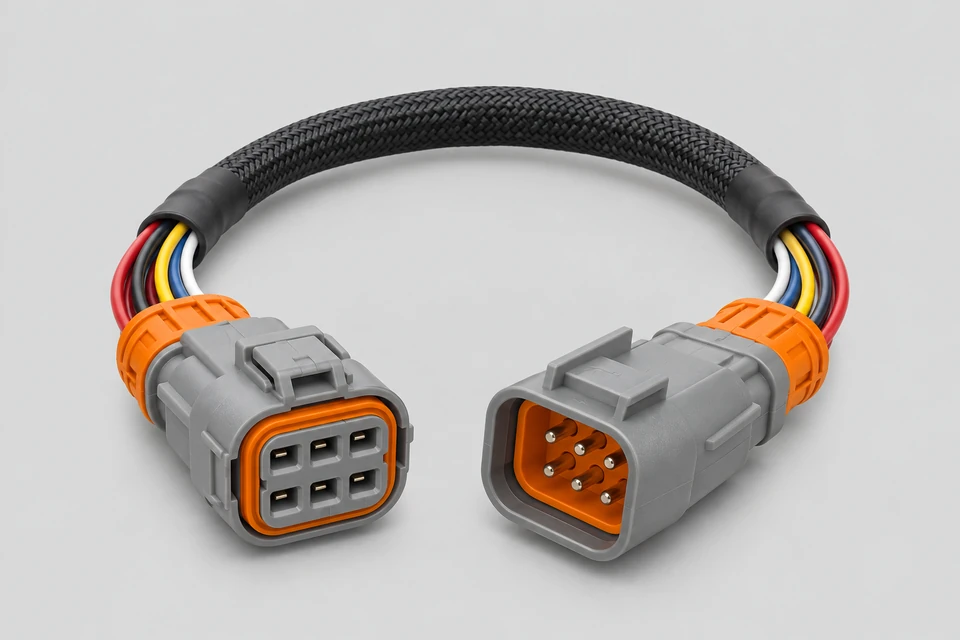
Define overall length, branch take-off dimensions and tolerances, clip locations, connector keying and access for service. Confirm the mating component and connector view used for every pinout.

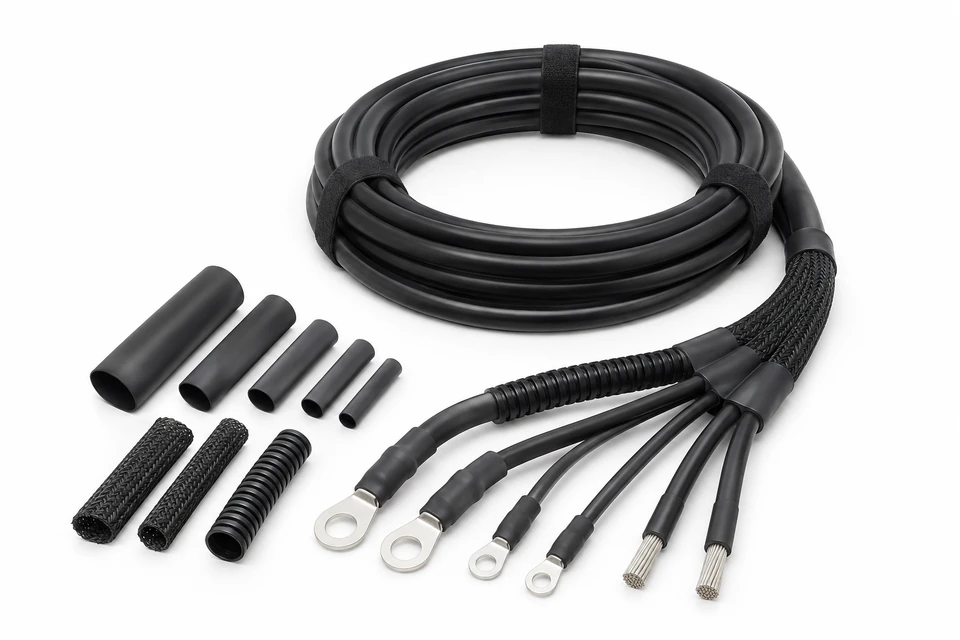
Choose sleeves, conduits, heat shrink and overmolded features around the installation. Protective covering can affect flexibility, diameter, heat dissipation and assembly access; it should be evaluated as part of the complete routing design.

Freeze the drawing revision and approve sample fit before releasing repeat production.

marine-harness-material-selection

Materials Selected for the Installation

Specify conductor, insulation, jacket and terminal requirements using actual component data and the vessel environment.

  • Current, voltage drop, temperature and bundling
  • Saltwater splash, UV, oil and fuel exposure as applicable
  • Tinned conductor and sealing requirements where specified
  • Approved connector sources and customer-approved alternatives
marine-harness-crimp-inspection

Manufacturing & Acceptance Planning

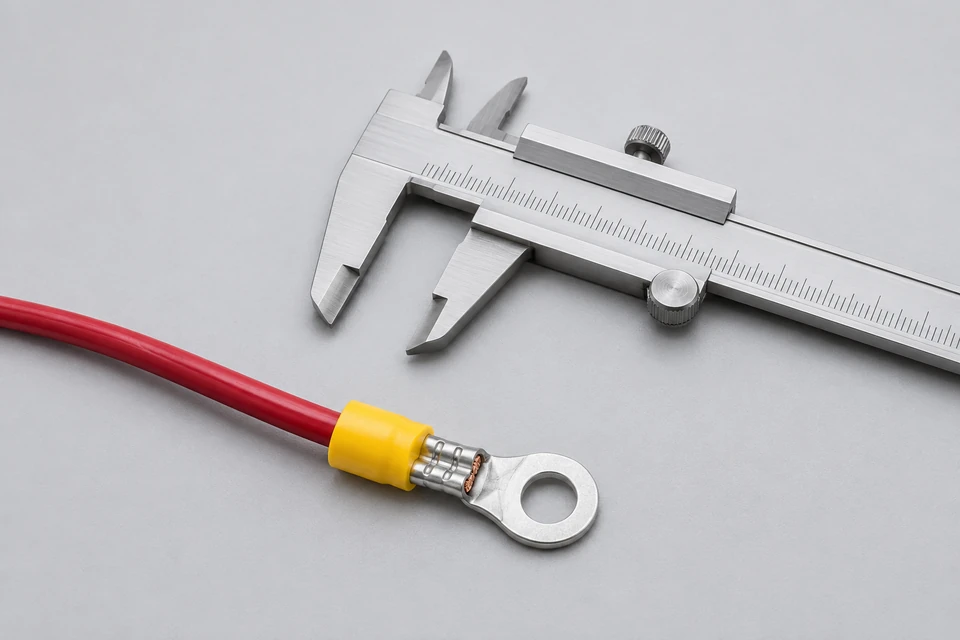
Xinshao supports cable preparation, crimping, protective finishing and assembly inspection. Agree the required checks and documentation for your build.

  • Terminal tooling and crimp acceptance criteria
  • Pinout, continuity and visual inspection
  • Project-defined electrical and environmental validation
  • Traceability and first-article records as agreed

Who We Support

marine-boat-builder-integration

Boat Builders & Integration Teams

Coordinate installation routes, console interfaces and service access before the harness enters the vessel assembly process.

marine-equipment-oem-development

Marine Equipment OEMs & Procurement Teams

Source harnesses for pumps, lighting, instruments and auxiliary modules with approved interfaces, controlled revisions and agreed inspection scope.

Marine Harness Procurement Guide

Resolve specification gaps before sampling and sourcing. Review the questions below with your engineering and quality teams.

Send the drawing or existing sample, BOM, connector and mating part numbers, pinout, branch dimensions, quantities and delivery location. Include circuit loads, cable runs, installation zones and acceptance requirements. Incomplete information can be reviewed, with open points identified before quotation approval.
No. Sealing depends on the connectors, wire entries, splices, enclosure interfaces and installation. Specify the required ingress test, mated or unmated state and exposure conditions. A connector rating alone does not establish the rating of the finished assembly.
Provide continuous and peak current, cable length, allowable voltage drop, ambient temperature, bundling and protection requirements. Review terminal capacity and fuse coordination with the equipment designer. Specify tinned conductors, insulation and jacket requirements where the application calls for them.
Certification and class approval must be reviewed for the exact product, vessel and destination requirements. We do not claim blanket marine approval. Salt-spray results, when required and agreed, address defined test conditions and do not predict a universal service life.
Confirm the drawing revision, component availability and test plan, then evaluate samples against fit, pinout and agreed inspection criteria. Release production after sample approval and closure of open engineering points. Timing depends on material availability, quantity and validation scope.
Alternatives require approval of the mating interface, electrical ratings, sealing, terminal tooling and service requirements. Substitution can add validation cost and should be documented in the approved BOM rather than treated as automatically equivalent.
Agree continuity and pinout checks, workmanship criteria, traceability, first-article documentation and any project-specific electrical or environmental tests before ordering. Test limits, sampling, reporting and responsibilities should be part of the purchase specification.

Discuss Your Marine Harness

Send Your Inquiry Today