
Custom connections built around your equipment.
Xinshao manufactures custom wire harnesses for OEM equipment, bringing wires, connectors, terminals, and protective materials together around your installation requirements.
Start with your drawing, BOM, connection list, or reference sample. We help turn those inputs into a defined assembly specification—from connector selection and branch routing to sample approval and repeat production.
Send your project requirements using the form above.
A wire harness must do more than connect two points. It needs to follow the available routing space, reach each interface, accommodate installation, and provide protection appropriate to its operating environment.
Xinshao works with engineering and purchasing teams to define these details before production. Whether your project involves a compact internal connection or a multi-branch wiring harness, the starting point is the same: understand how the assembly will be installed, used, and inspected.
For an existing design, share the current drawing and revision. For a new project, provide the connection requirements and installation constraints so the remaining specifications can be identified.
Different equipment creates different connection requirements. Begin with the operating conditions rather than the application name alone.
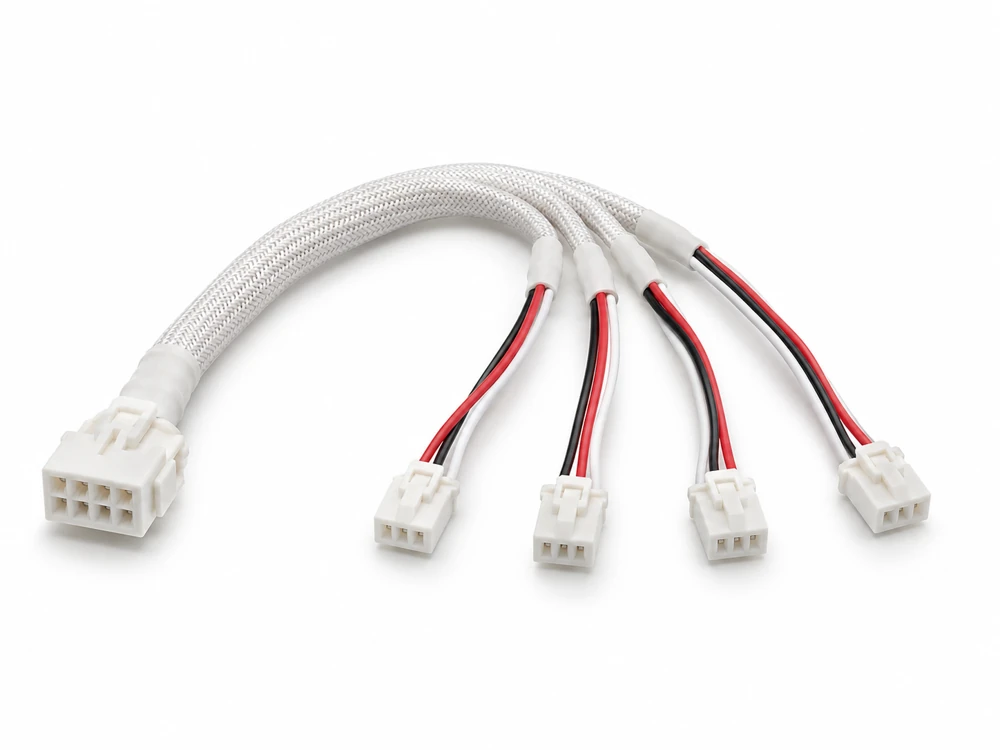
Explore custom medical wiring harnesses options for OEM projects. Review customization details and discuss your drawings, connector specifications, and equipment requirements.
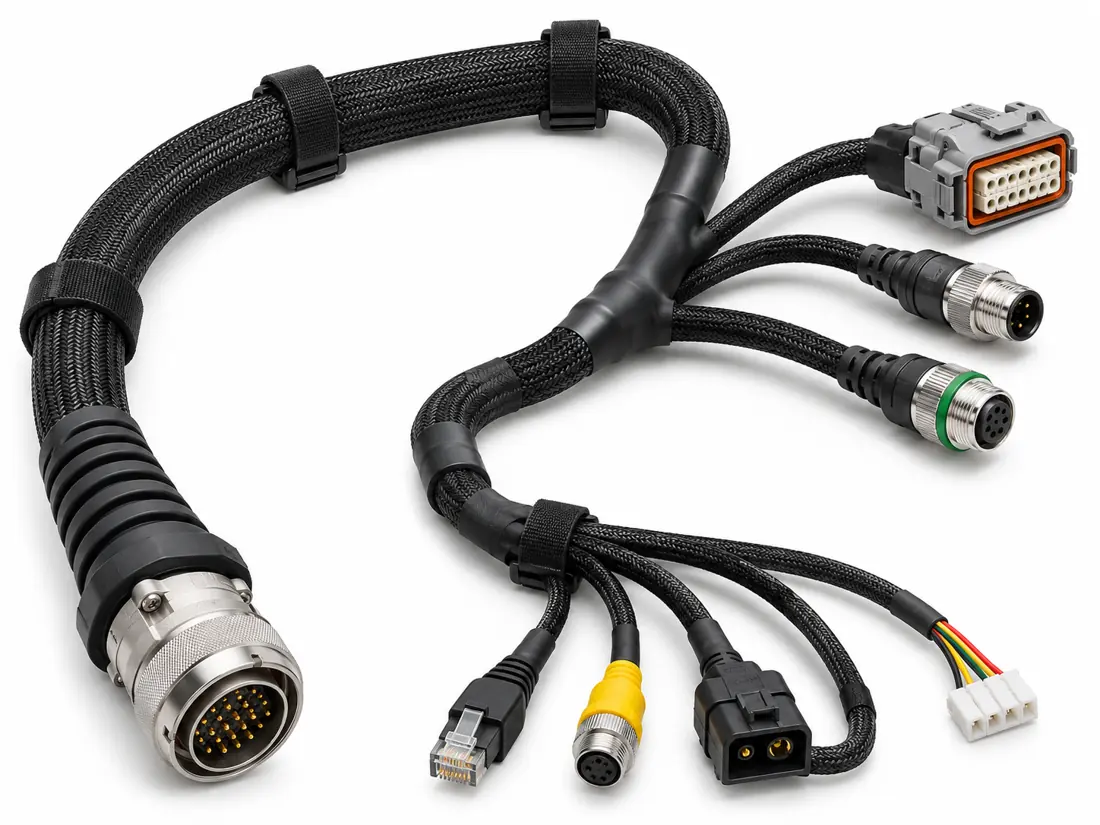
Explore custom robotics wiring harnesses options for OEM projects. Review customization details and discuss your drawings, connector specifications, and equipment requirements.
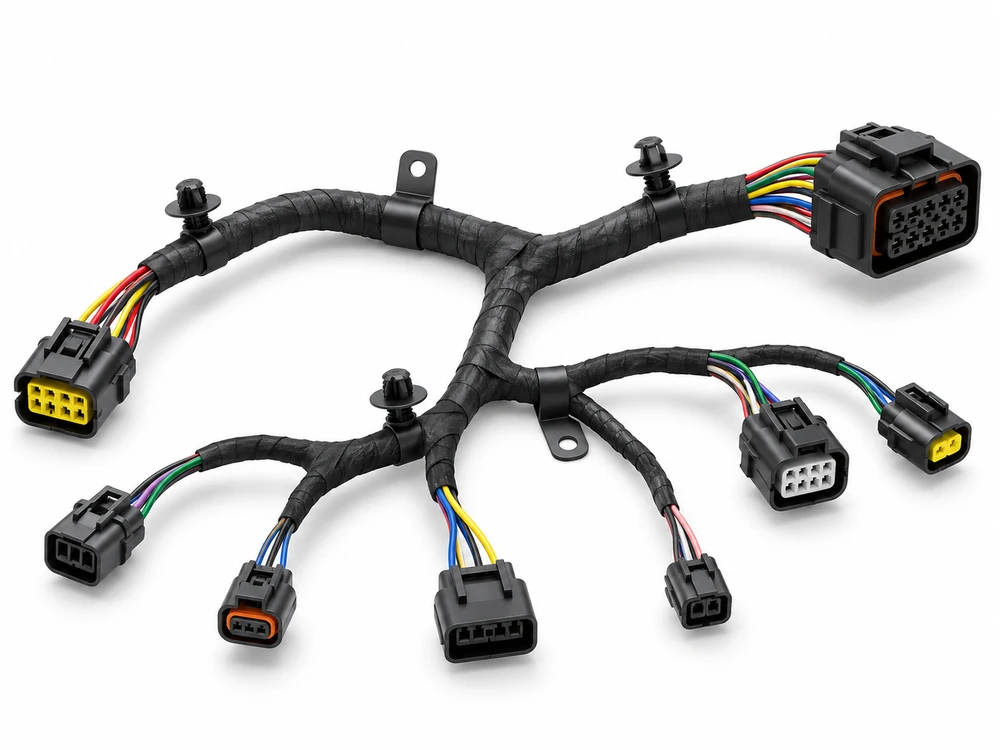
Explore custom automotive wire harness options for OEM projects. Review customization details and discuss your drawings, connector specifications, and equipment requirements.

Explore custom industrial wiring harnesses options for OEM projects. Review customization details and discuss your drawings, connector specifications, and equipment requirements.
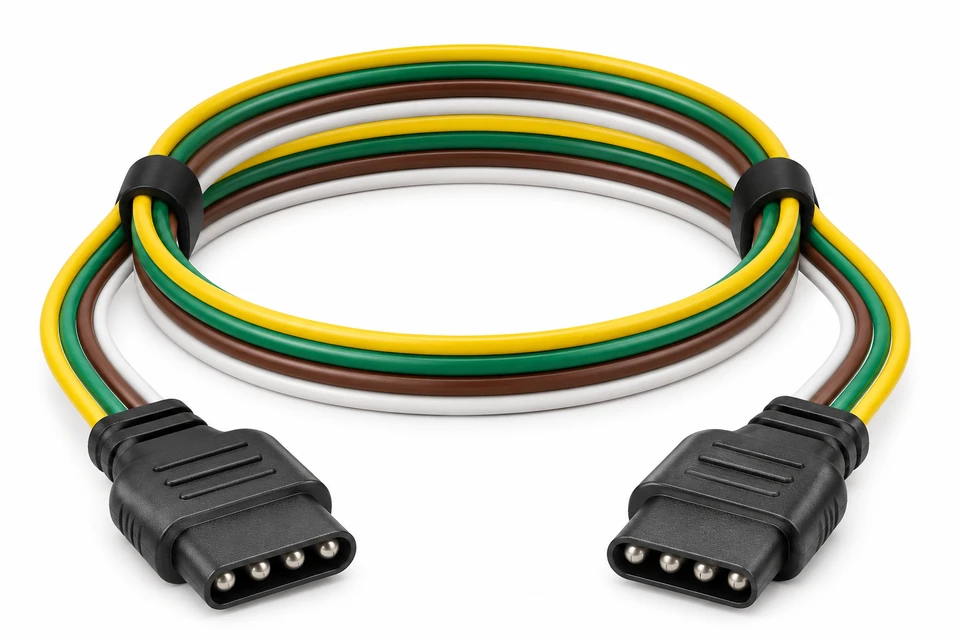
Explore custom trailer wiring harness options for OEM projects. Review customization details and discuss your drawings, connector specifications, and equipment requirements.
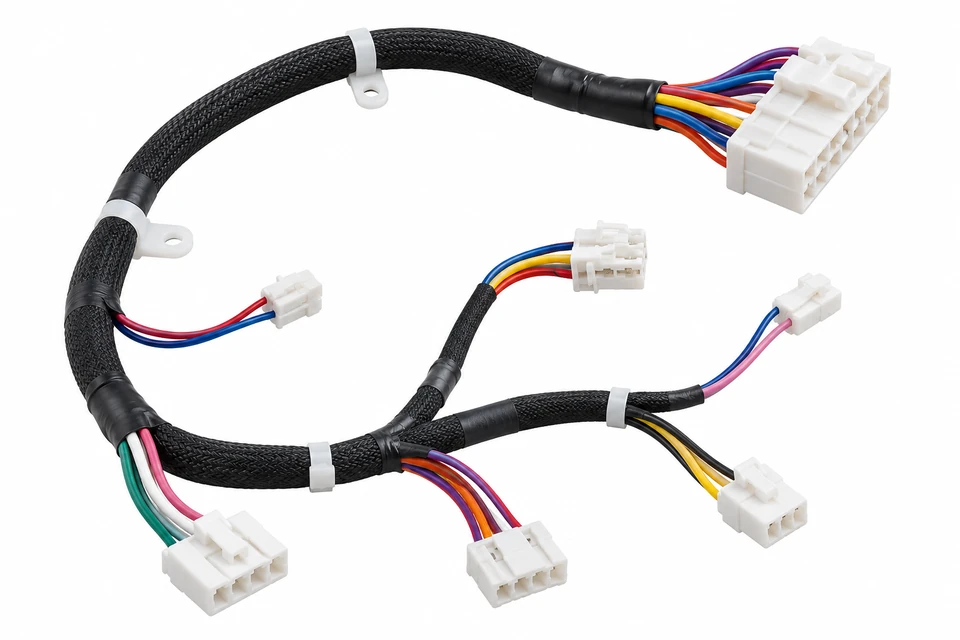
Explore custom home appliances wire harnesses options for OEM projects. Review customization details and discuss your drawings, connector specifications, and equipment requirements.
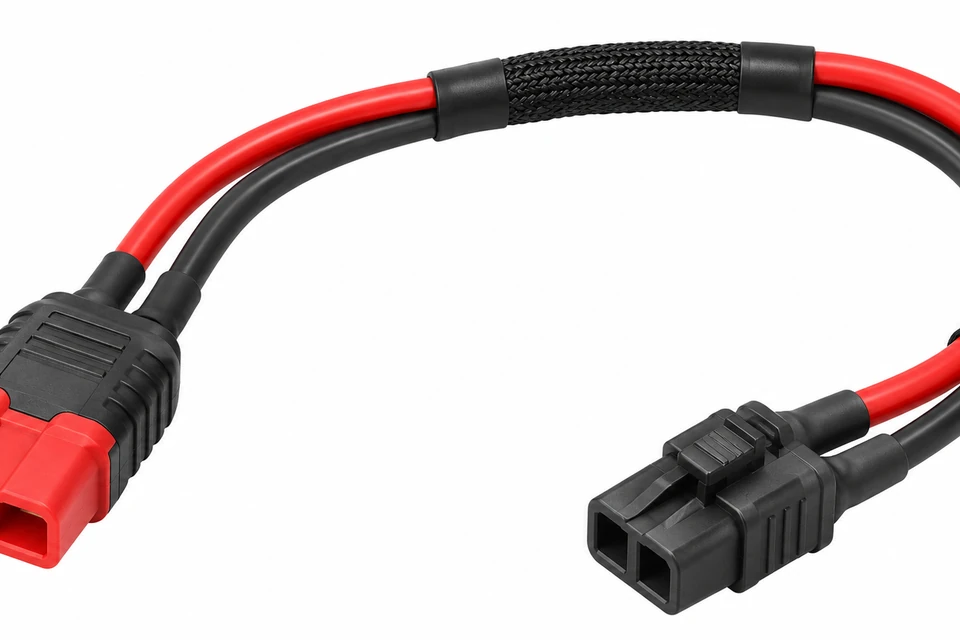
Explore custom battery wire harness options for OEM projects. Review customization details and discuss your drawings, connector specifications, and equipment requirements.
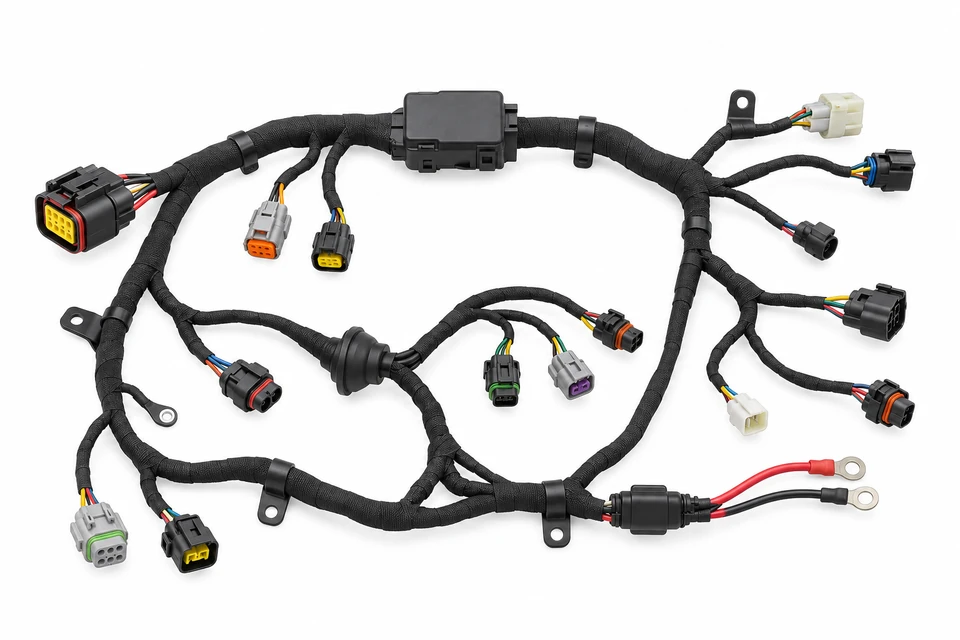
Explore custom motorcycle wiring harnesses options for OEM projects. Review customization details and discuss your drawings, connector specifications, and equipment requirements.
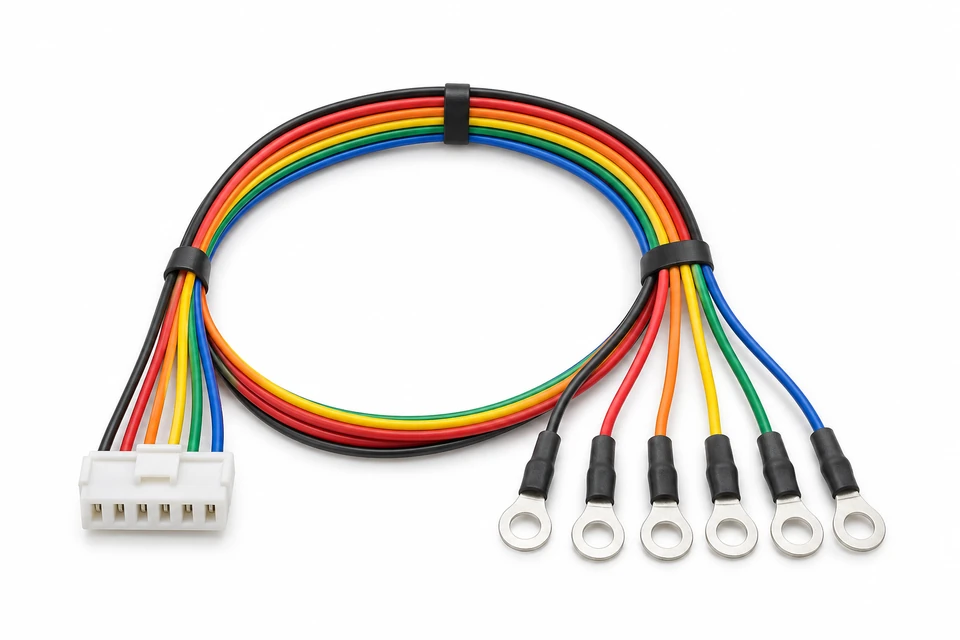
Explore custom new energy wire harnesses options for OEM projects. Review customization details and discuss your drawings, connector specifications, and equipment requirements.
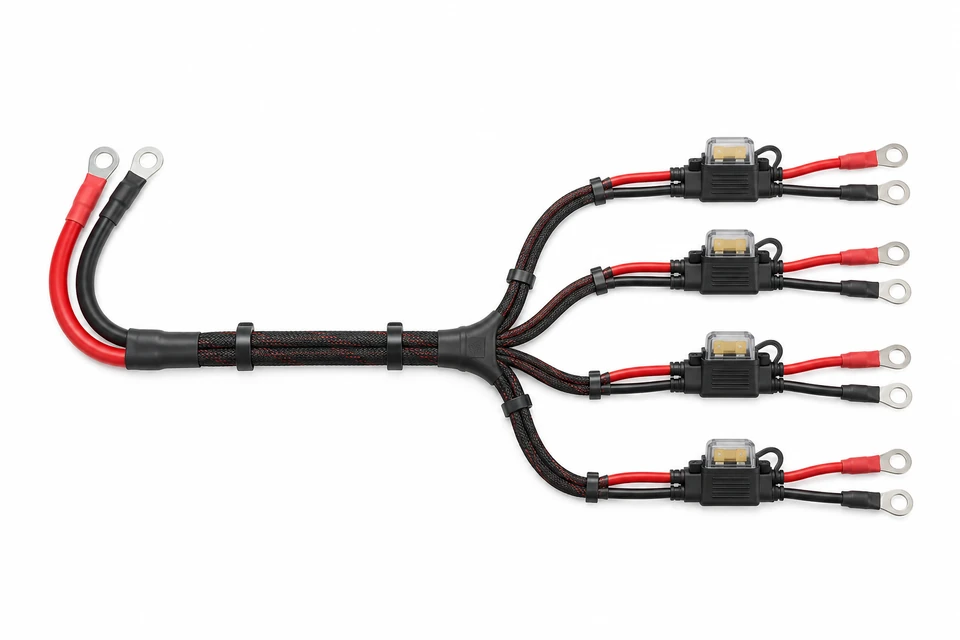
Explore marine wiring harness options for OEM projects. Review customization details and discuss your drawings, connector specifications, and equipment requirements.
Explore custom medical wiring harnesses options for OEM projects. Review customization details and discuss your drawings, connector specifications, and equipment requirements.
Explore custom robotics wiring harnesses options for OEM projects. Review customization details and discuss your drawings, connector specifications, and equipment requirements.
Explore custom automotive wire harness options for OEM projects. Review customization details and discuss your drawings, connector specifications, and equipment requirements.
Explore custom industrial wiring harnesses options for OEM projects. Review customization details and discuss your drawings, connector specifications, and equipment requirements.
Explore custom trailer wiring harness options for OEM projects. Review customization details and discuss your drawings, connector specifications, and equipment requirements.
Explore custom home appliances wire harnesses options for OEM projects. Review customization details and discuss your drawings, connector specifications, and equipment requirements.
Explore custom battery wire harness options for OEM projects. Review customization details and discuss your drawings, connector specifications, and equipment requirements.
Explore custom motorcycle wiring harnesses options for OEM projects. Review customization details and discuss your drawings, connector specifications, and equipment requirements.
18 Products Found.
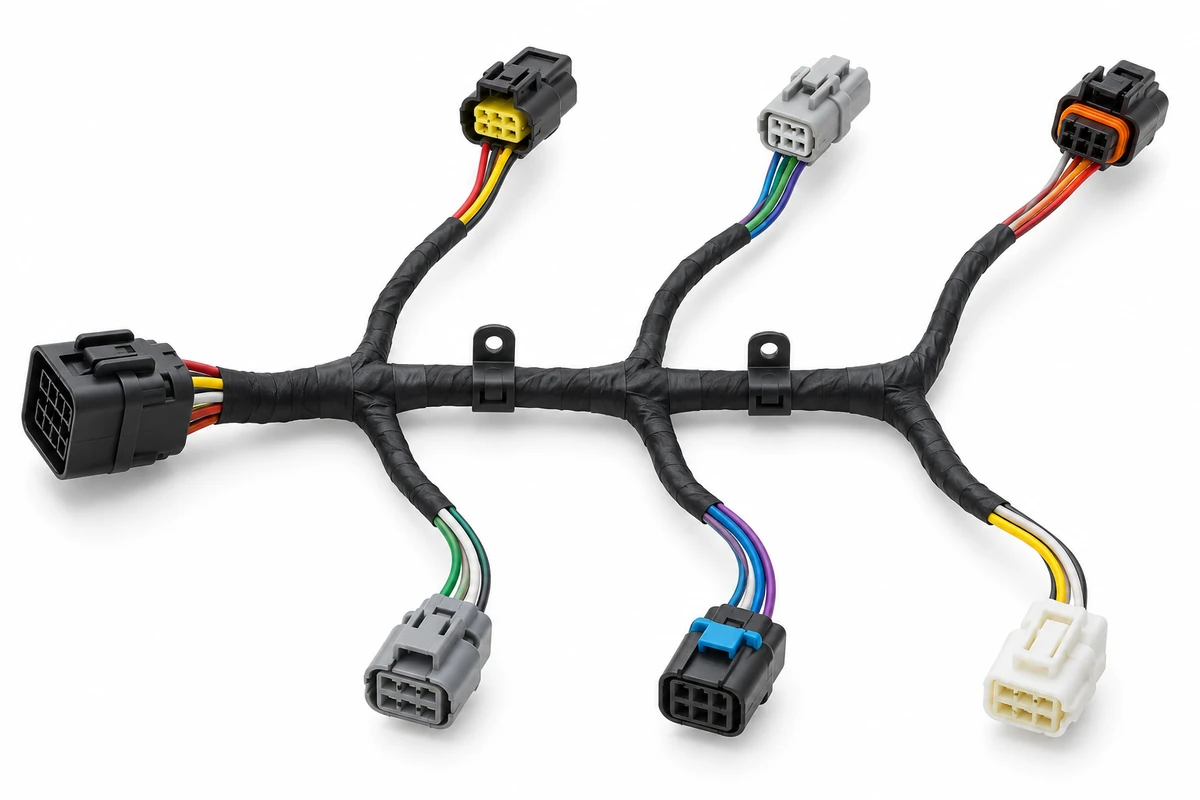
Define the main trunk, branch positions, and connector directions around the equipment layout. Include routing space, mounting locations, and access for installation or servicing.
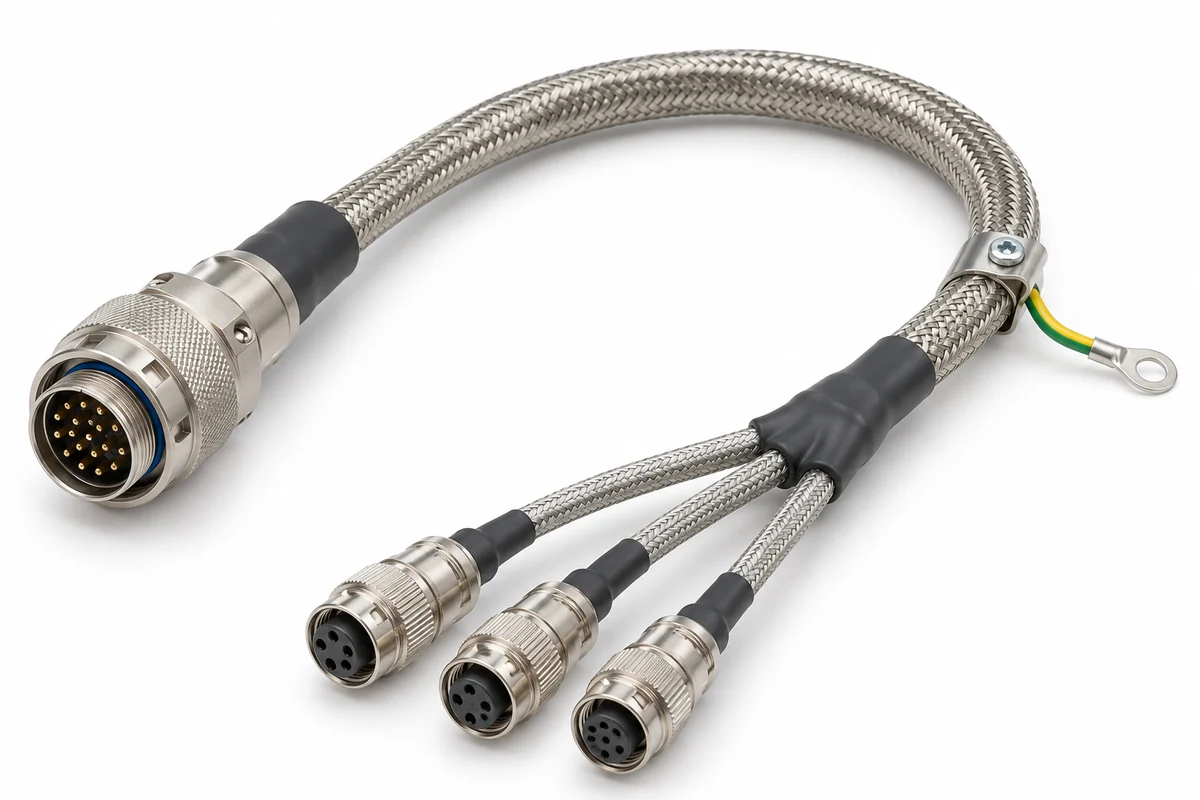
For sensitive signal circuits, specify the shielding construction and termination requirements. Shielding performance depends on the complete assembly and its integration into the equipment.
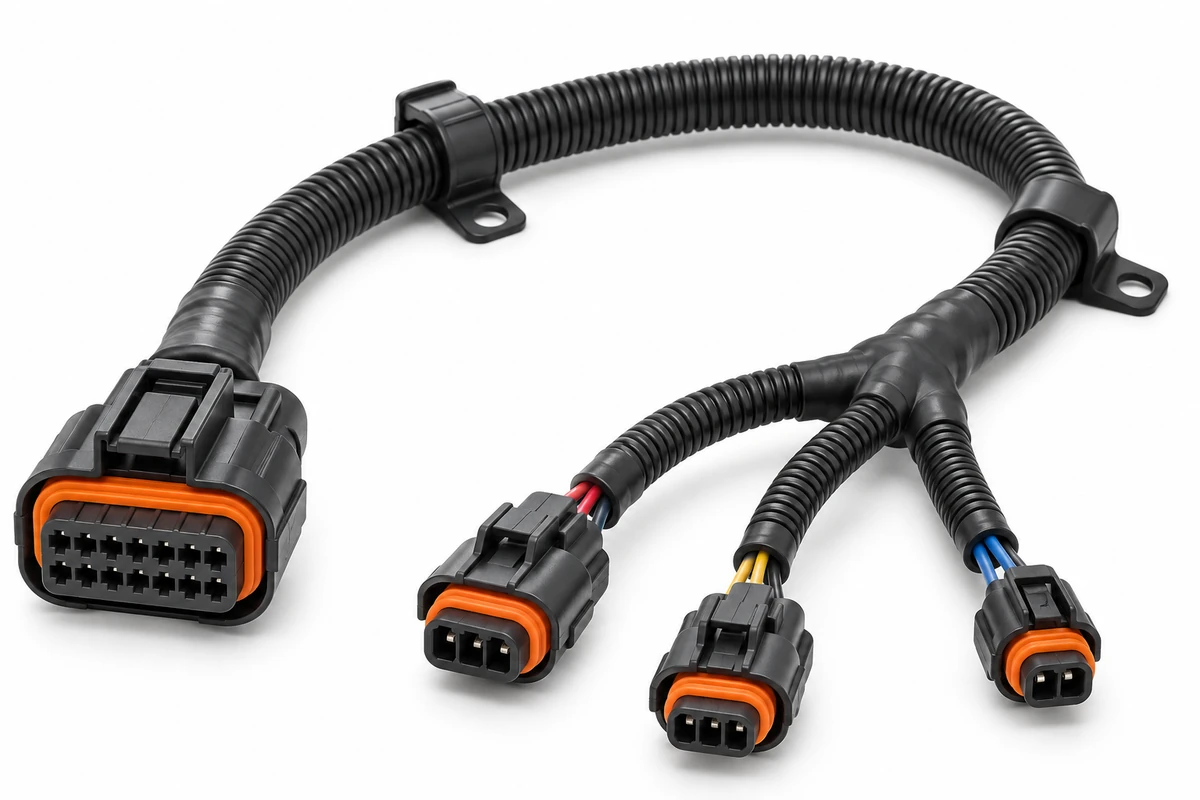
Where moisture, dust, vibration, or abrasion are concerns, identify the exposure conditions and required protection. Sealed connectors, protective coverings, and cable exits should be assessed together against the application requirements.
Connector orientation, branch locations, termination methods, and dimensional tolerances all affect how a harness fits and how it can be manufactured. Addressing these details early helps reduce avoidable changes during sampling and assembly.
An approved drawing, BOM, and pinout give engineering, purchasing, and production teams a shared reference. Define required components and identify any alternatives that need approval before purchasing begins.
Prototype wire harness assemblies help verify fit and connection requirements. Once approved, the sample and supporting documents provide a reference for subsequent orders.
Agree on the required electrical checks, workmanship criteria, and documentation before production. This gives both teams a clear basis for acceptance.
Send the available drawing, BOM, pinout, or reference sample. Include quantities, installation conditions, required tests, and target delivery dates. If the specification is incomplete, highlight the details that are fixed and those that remain open for discussion.
Review connector availability, termination methods, branch dimensions, protective materials, and assembly access. Any proposed component substitution or design change requires your approval.
Use samples to check routing, connector mating, dimensions, labeling, and installation. Record the agreed changes before approving the production revision.
Approve the drawing, BOM, inspection criteria, packaging, and document requirements. These become the reference for manufacturing and future orders.
Your equipment determines the configuration. Xinshao can review the following options against your drawing, component requirements, and intended use.
| Configuration | Details to Specify |
|---|---|
| Wires and conductors | Wire specification, gauge, color, circuit identification |
| Connectors and terminals | Manufacturer, part number, mating interface, pin assignment |
| Harness layout | Overall length, branch lengths, breakout positions, orientation |
| Protective materials | Sleeving, conduit, braid, tape, heat-shrink requirements |
| Shielding | Circuits requiring shielding, coverage, termination arrangement |
| Identification | Wire markers, connector labels, assembly part number, revision |
| Installation features | Clips, mounting points, grommets, service loops, strain relief |
| Inspection | Electrical checks, dimensional criteria, required records |
Final component choices and assembly requirements are confirmed in the approved project documents.
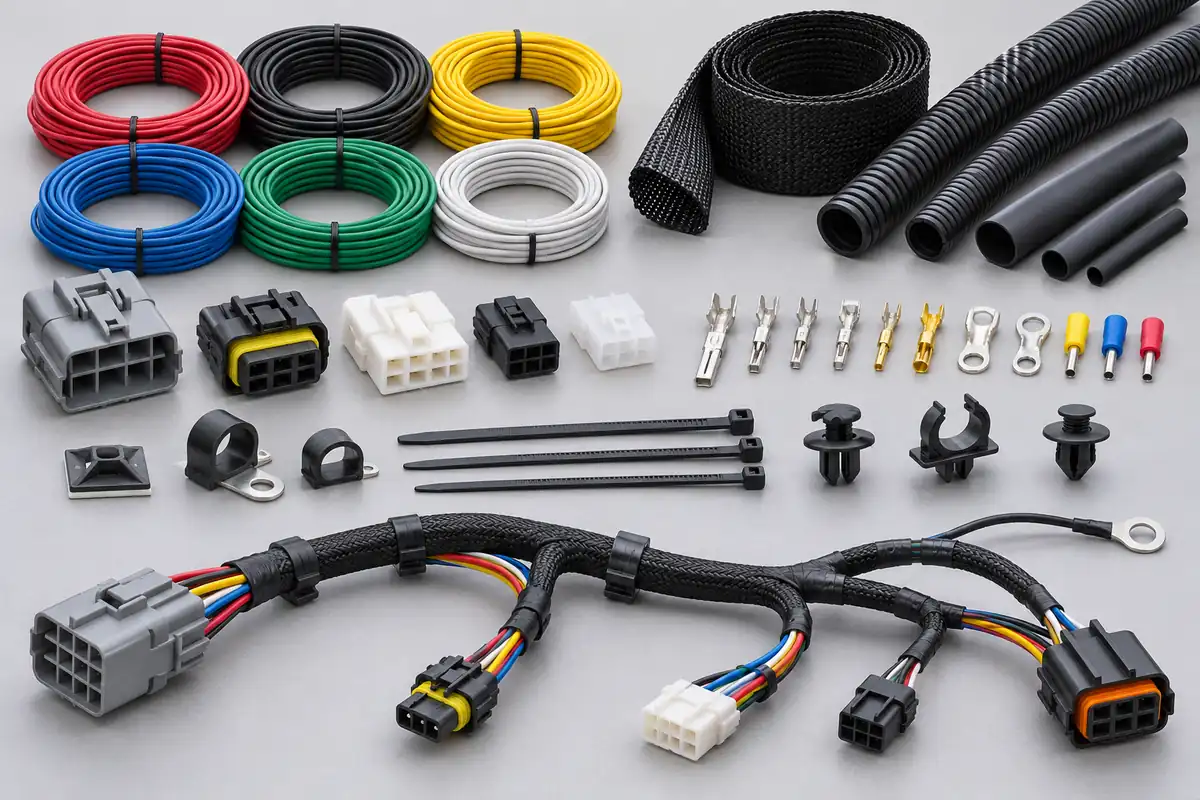
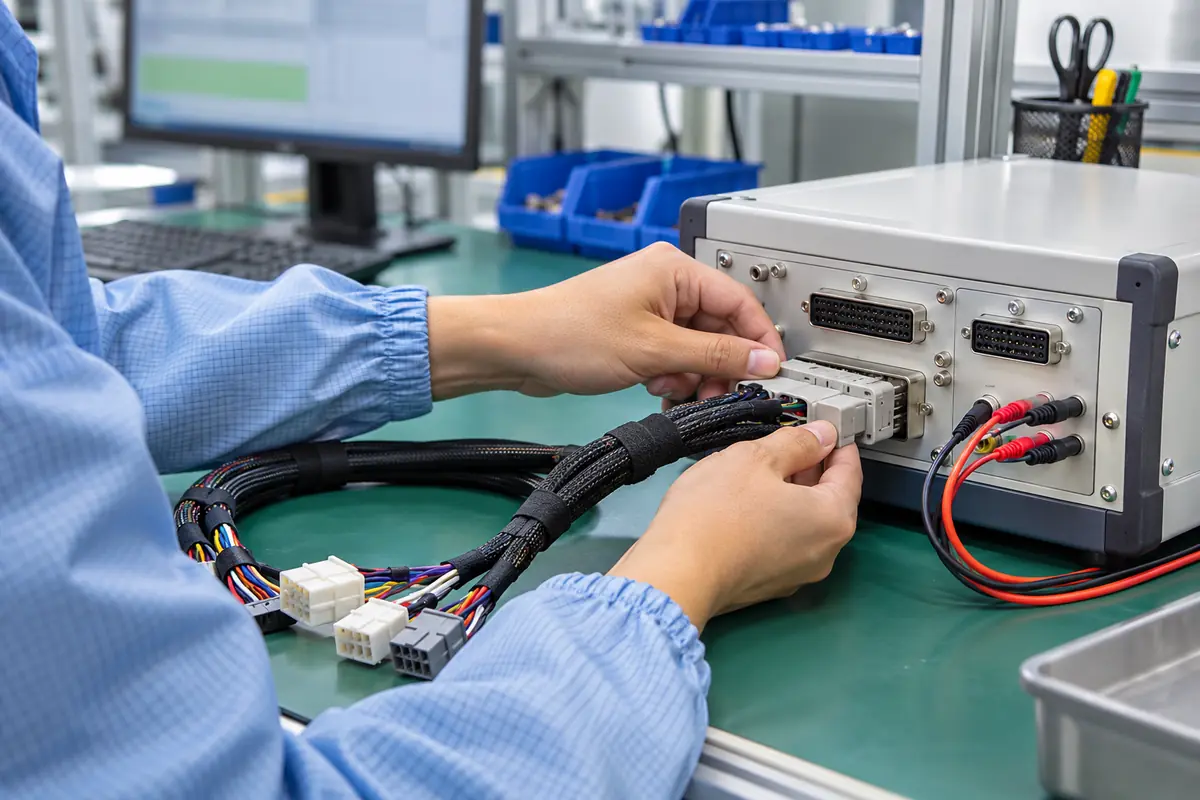
A useful inspection plan identifies what will be checked, how it will be assessed, and which records are required.
Depending on the application, your requirements may include:
– Continuity and pinout verification.
– Checks for open circuits and unintended connections.
– Overall length and branch-dimension inspection.
– Connector orientation and terminal-position checks.
– Labeling and visual workmanship inspection.
– Additional electrical or mechanical tests where specified.
State whether checks must cover every assembly or follow an agreed sampling plan. Additional tests, reports, and traceability requirements should be confirmed during quotation.
For supplier qualification, identify the certificates and supporting documents your purchasing team needs to review.
Discuss Your Inspection RequirementsCustom wire harness manufacturing involves a sequence of connected operations. Wire preparation affects termination quality; termination affects electrical connection; routing and protection affect installation.
Depending on the assembly, the production sequence may include cutting and stripping, terminal crimping, connector loading, soldered connections, branch assembly, protective covering, labeling, and inspection.
For your project, define the required processes and acceptance criteria alongside the product specification. This helps keep the finished assembly consistent with the intended design.
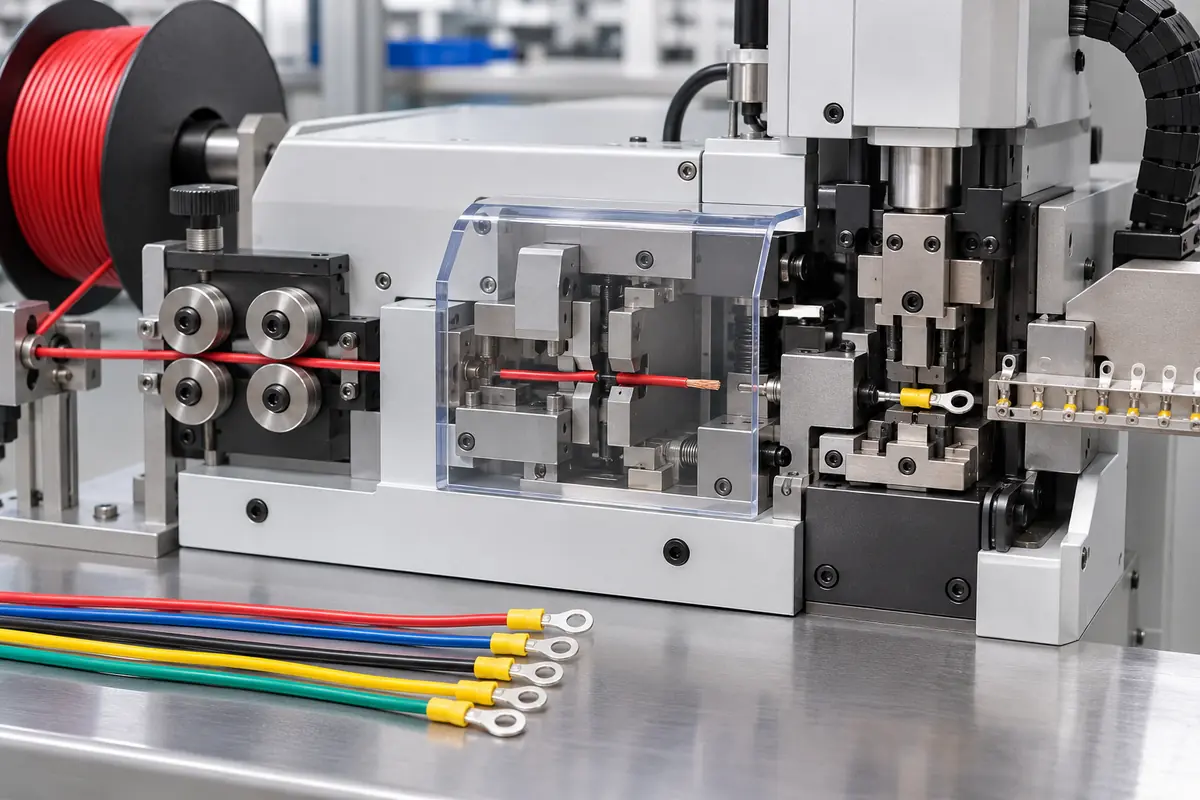
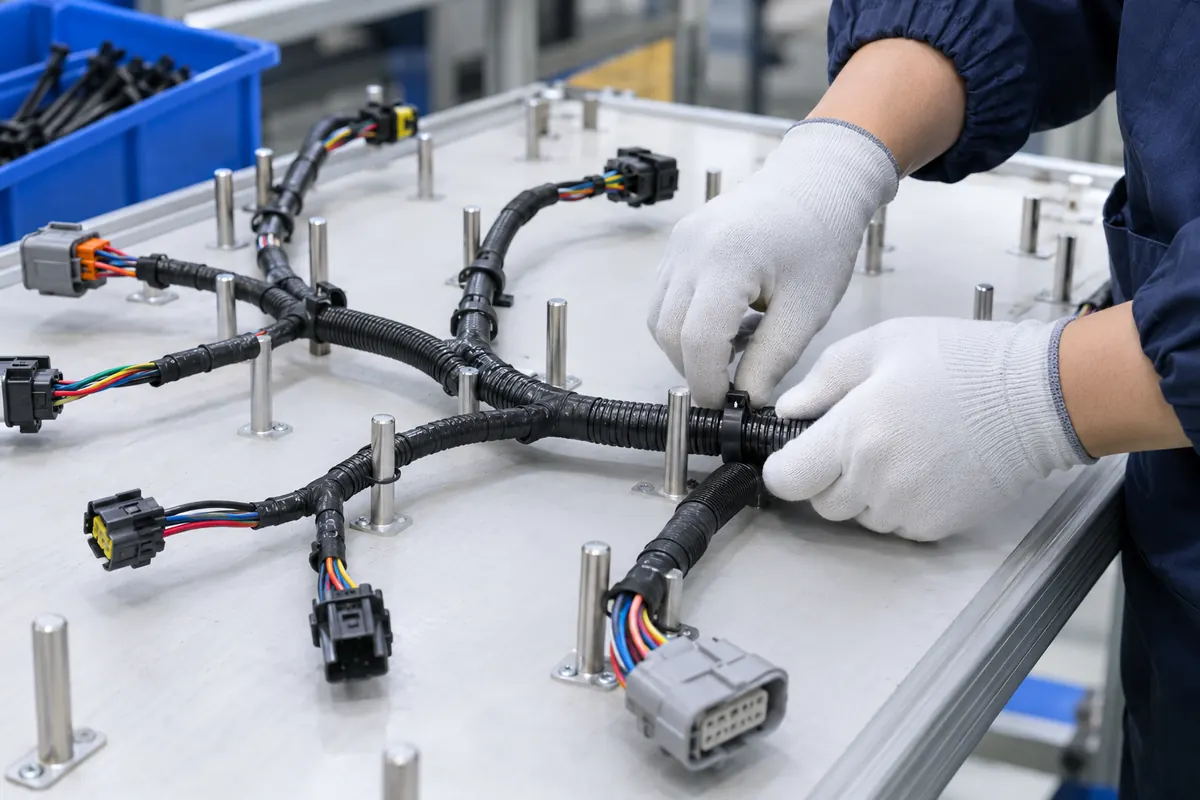
Bring your connection requirements to Xinshao. Share the available specifications so we can review the assembly and define the next steps for quotation, sampling, and production.
For a more complete quotation, include:
– Drawing, BOM, or connection list.
– Connector part numbers and wire specifications.
– Sample quantity and expected order volume.
– Installation and operating conditions.
– Testing and documentation requirements.
– Target delivery date and destination.
A drawing and BOM provide the clearest starting point. Include connector part numbers, wire specifications, pin assignments, dimensions, quantities, and inspection requirements. If these documents are unavailable, share a connection list or reference sample and identify which specifications still need to be defined.
Xinshao accepts drawing-based inquiries for custom wire harness assembly. Provide the latest revision, BOM, and applicable workmanship requirements so the build specification can be reviewed.
MOQ depends on component purchasing quantities, tooling, setup, and assembly complexity. Include your sample quantity, initial order, and expected repeat demand when requesting a quotation.
Sample timing depends on specification completeness, component availability, tooling, assembly complexity, and required testing. A project schedule should be confirmed after these details have been reviewed.
Alternatives require a review of fit, electrical requirements, environmental suitability, and customer approval. If a component is mandatory, identify its manufacturer and exact part number in the BOM.
Identify the affected part number and revision, then document the requested change. Component, dimensional, or pinout changes should be approved before the revised assembly enters production.
Send your project requirements using the form above.