DRAWING-BASED OEM MANUFACTURING
Move your cable assembly from an engineering sample to an agreed production specification. Xinshao supports drawing-based OEM builds with component review, prototype development and project-specific inspection planning.
An OEM cable assembly has to fit your equipment, purchasing specification and production schedule. Shijiazhuang Xinshao Electronic Technology Co., Ltd. supports custom cable interconnections from drawings, samples and BOMs for equipment manufacturers and contract production teams.
Use this page to plan the manufacturing handoff: which components are approved, which drawing revision governs the build, how the first sample is accepted and what happens when a material or design changes. For a wider product-family overview, explore our custom cable assemblies.
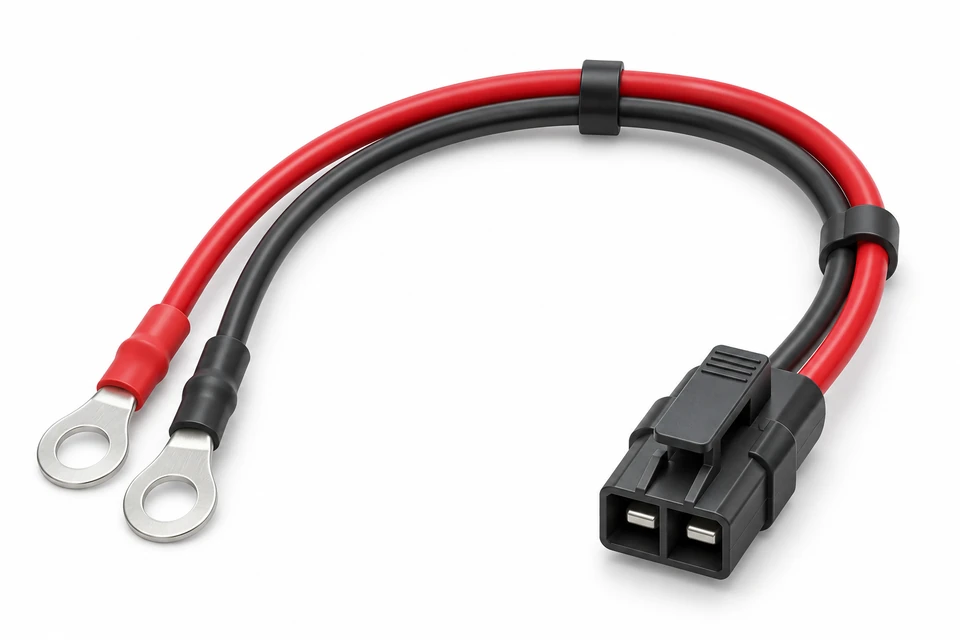
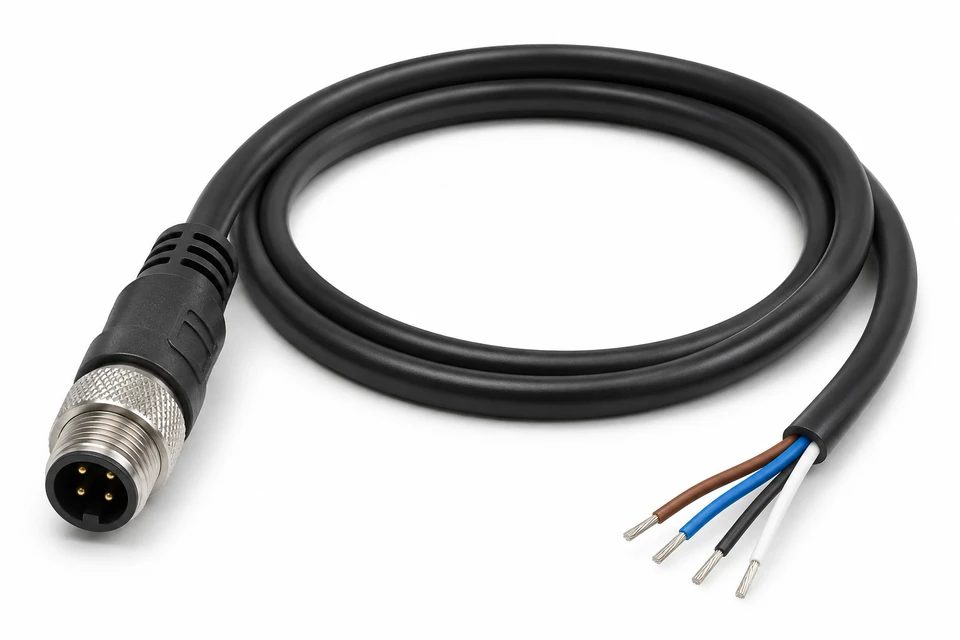
Define load profiles, termination interfaces and cable routing. Release conductor size, insulation and terminal details together in the approved BOM.
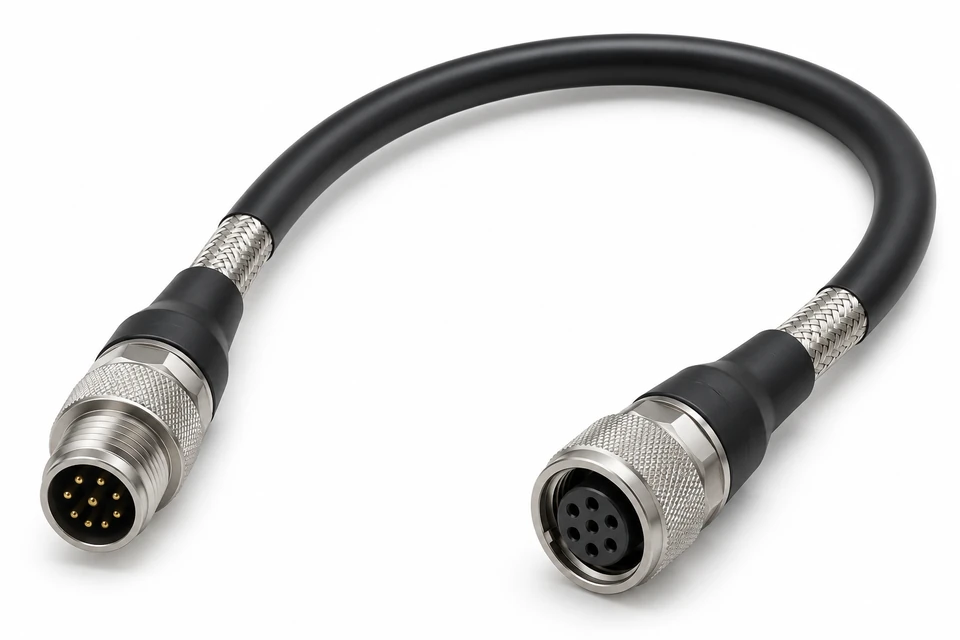
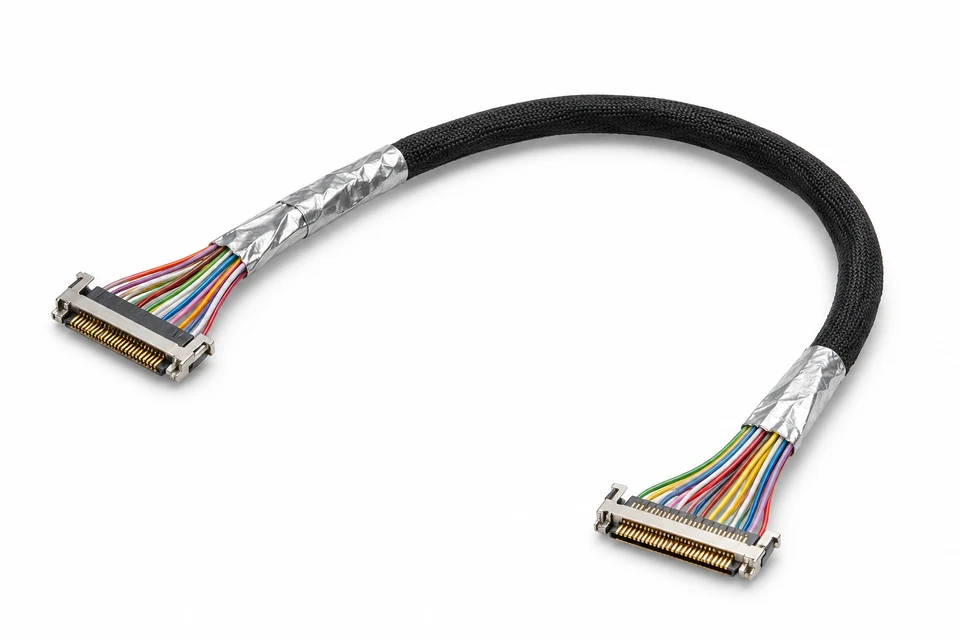
Specify signal assignments, shield termination and connector interfaces. Agree on the relevant electrical checks before quoting.
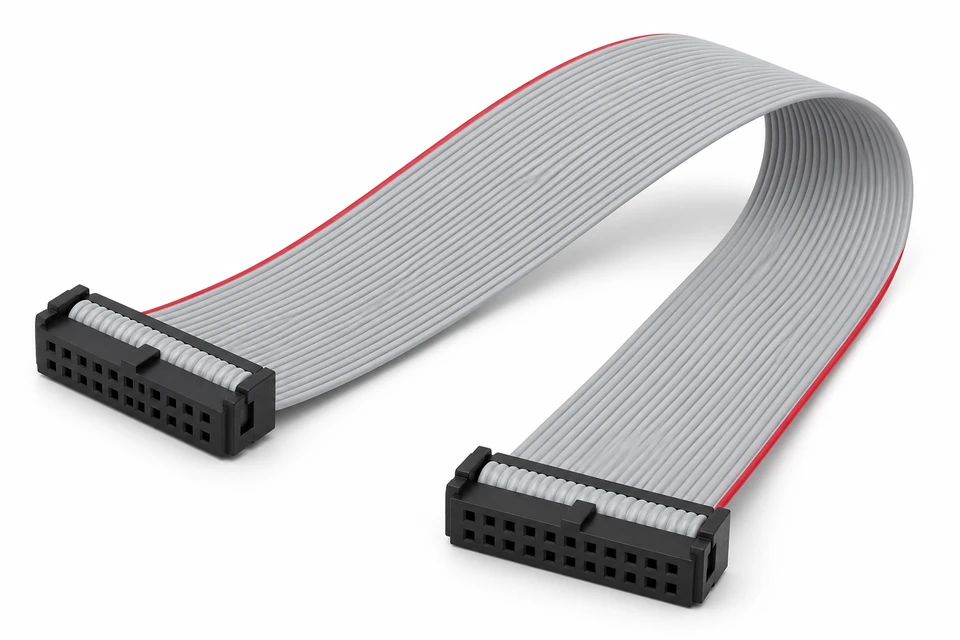
Document pitch, circuit count, connector orientation and finished dimensions. Use sample approval to confirm pin numbering and equipment fit.
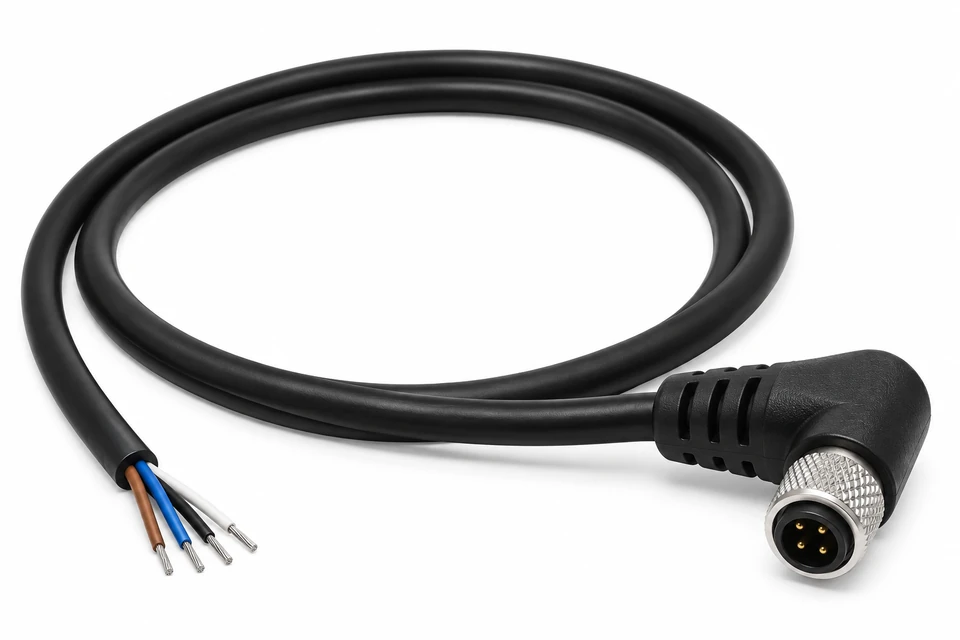
Review cable-exit geometry, strain relief and jacket compatibility. Identify tooling ownership, approval criteria and change costs before release.

Identify cable and connector part numbers, impedance, operating frequency and length. Define any RF test methods and acceptance limits per project.
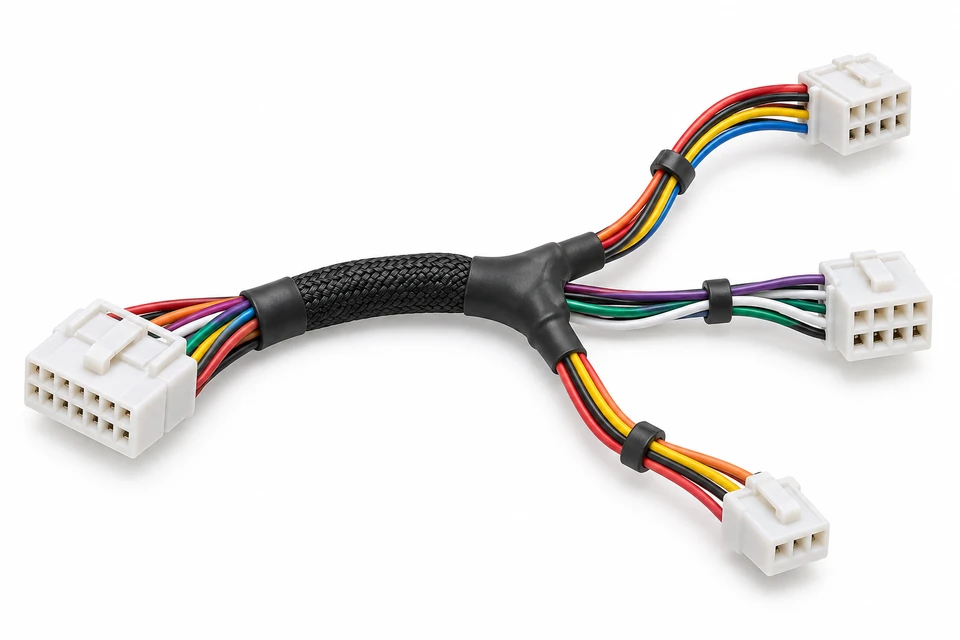
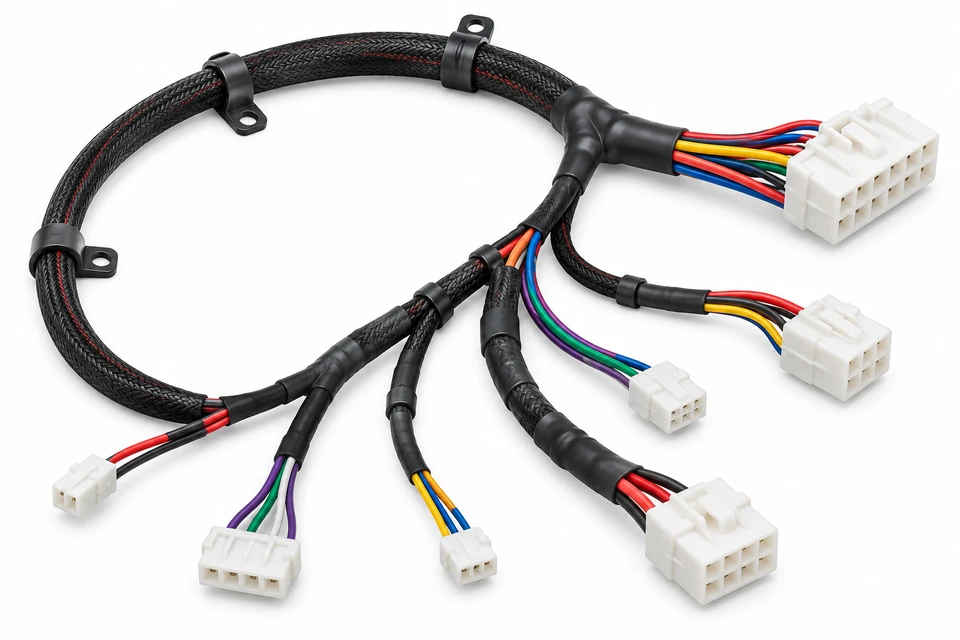
Coordinate branches, power and signal circuits, connector keying and labels. Keep the wiring map and assembly drawing under the same approved revision.
6 Assembly Types Found.
01
Align the BOM, drawing, pinout, labeling and test requirements before approving a production build.
02
Identify exact part numbers and separate proposed alternatives from customer-approved components.
03
Use an agreed sample review to resolve fit, routing and inspection requirements before a production order.
04
Request review of cost, schedule and validation effects whenever a component or drawing revision changes.
A useful quotation states its assumptions. Ask which connector and terminal part numbers are included, whether tooling or test fixtures are needed, and which documents are part of the delivery. A lower unit price can conceal a different component source, reduced reporting scope or additional setup charges.
Share forecast demand as well as the first order quantity. Component minimum buys, availability, packaging, freight and any customer-specific validation affect the commercial plan. Lead times and minimum quantities are confirmed for the actual configuration.
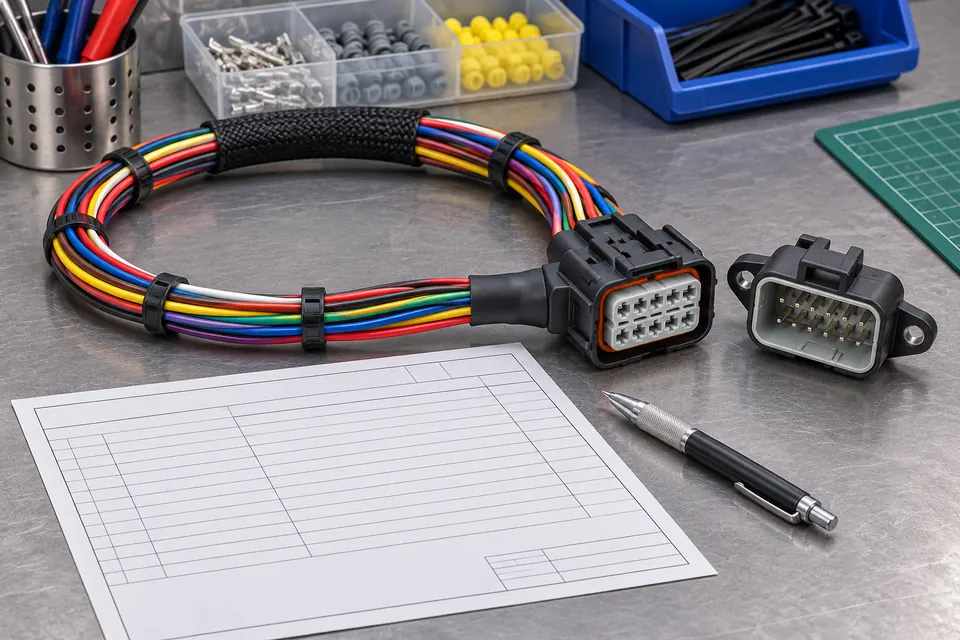
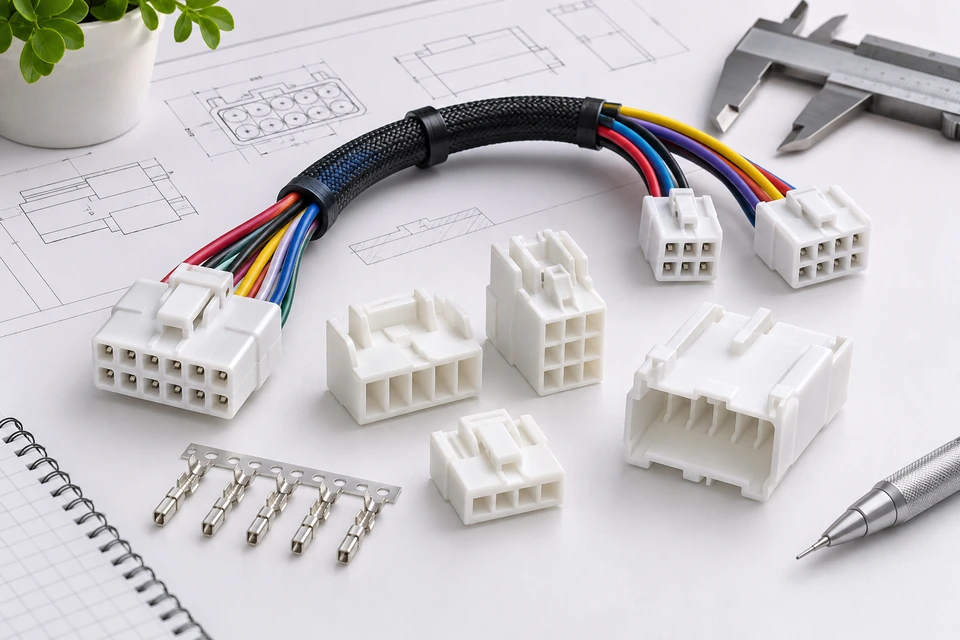

Specify mating connector part numbers, keying, pinout, cable lengths and dimensional tolerances. Add branch positions, mounting points, bend space and the intended installation sequence. A sample alone may not reveal insulation grades, hidden joints or acceptance limits.
Review current and voltage, motion, ambient conditions, chemical exposure and any signal requirements for the complete assembly. Material names and connector appearance do not establish a finished assembly rating.
Agree on the sample quantity, fit checks and electrical acceptance criteria. Record the approved drawing revision and BOM before authorizing the production build.
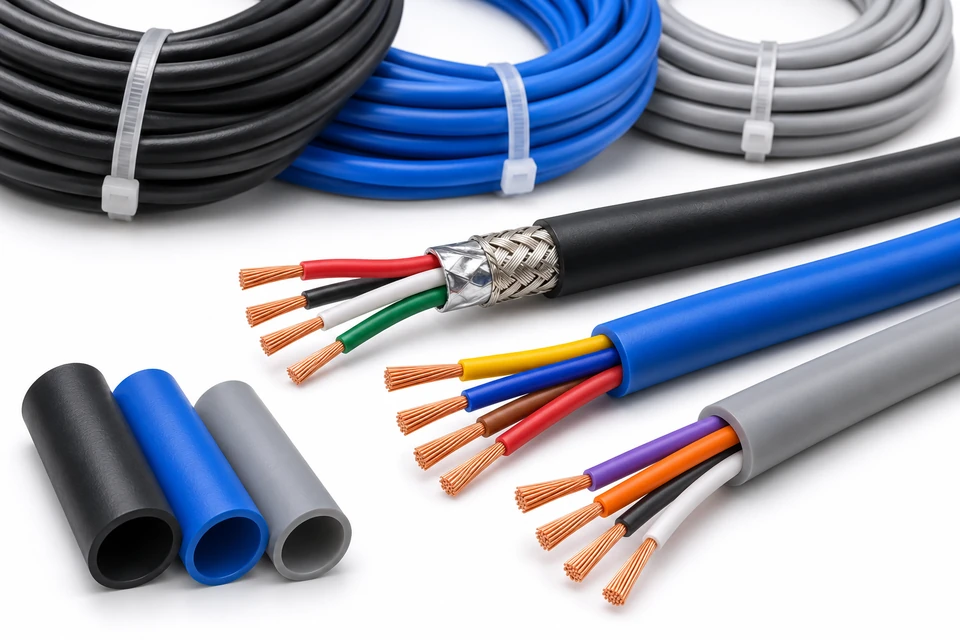
Build the sourcing review around identifiable components and application conditions. PVC, PU, PTFE and XLPE are options to evaluate against the selected grade and project requirements.
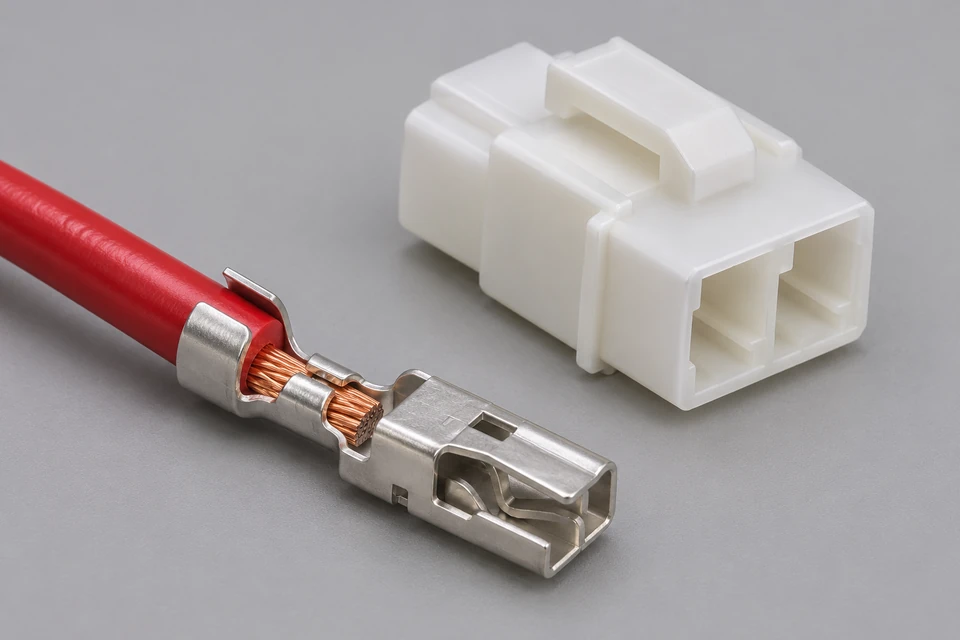
Xinshao supports cutting, stripping, crimping, connector assembly and protective finishing. Translate the approved specification into an inspection plan suited to the actual build.
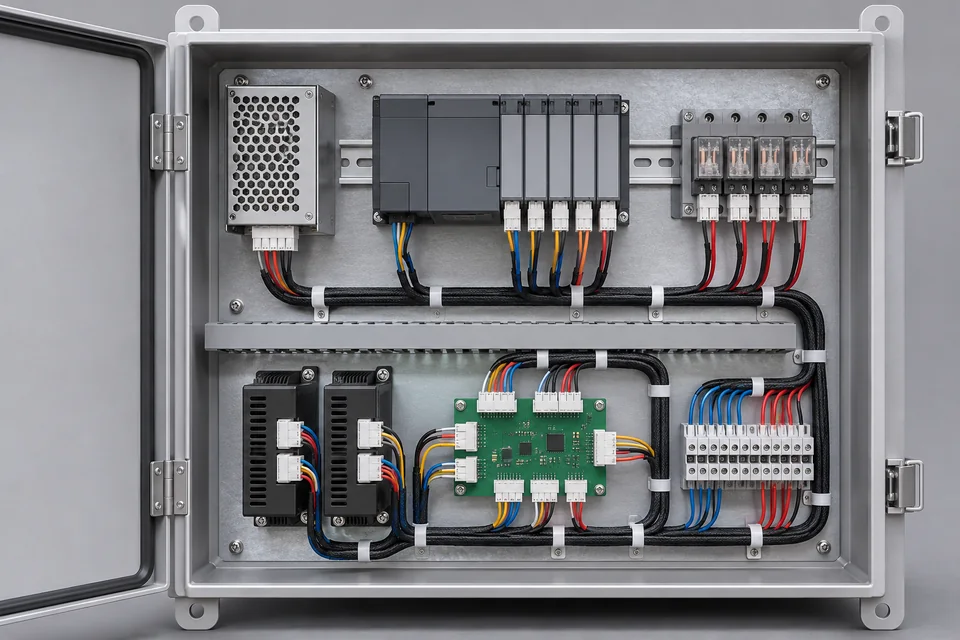
Coordinate mating interfaces, enclosure routing and installation access. Provide the drawing revision, expected build volume and service requirements so the assembly can be reviewed in context.
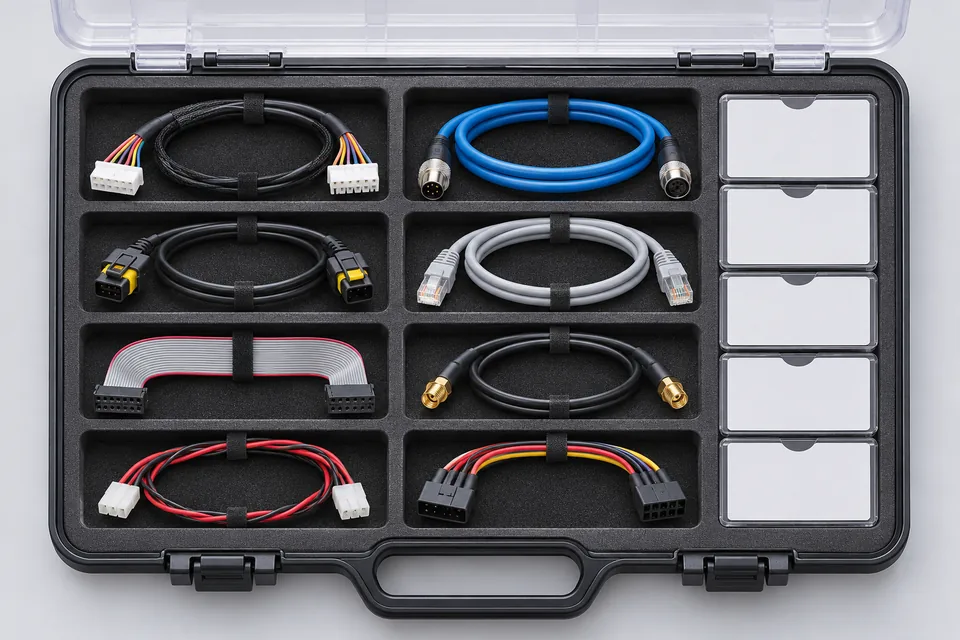
Align the purchasing BOM with the engineering specification. Agree on component approvals, packaging, records and delivery milestones before releasing the order.
Before the first production order, agree on how drawing revisions, material substitutions and deviations will be submitted and approved. Identify which changes require a new sample, first-article review or revised test plan. These requirements form part of the project agreement.
For repeat orders, reference the approved drawing and BOM revision, quantity, packaging and required records on the purchase order. Discuss forecast changes and long-lead components early; holding stock, reserving material and expediting freight involve separate costs and commitments.
For a field issue or nonconforming delivery, define the information needed for review: lot reference, affected quantity, inspection evidence and the agreed acceptance criterion. Agree on containment and disposition with the project team.
Prepare the technical and commercial inputs that connect a quotation to an approved production build.