顶级制造商

CUSTOM WIRE HARNESSES & CABLE ASSEMBLIES

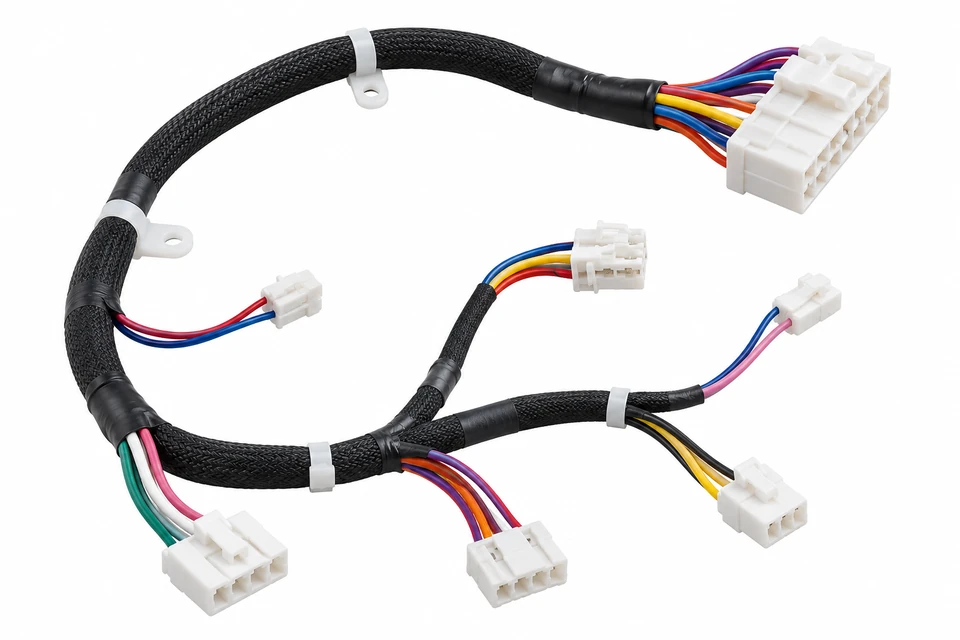
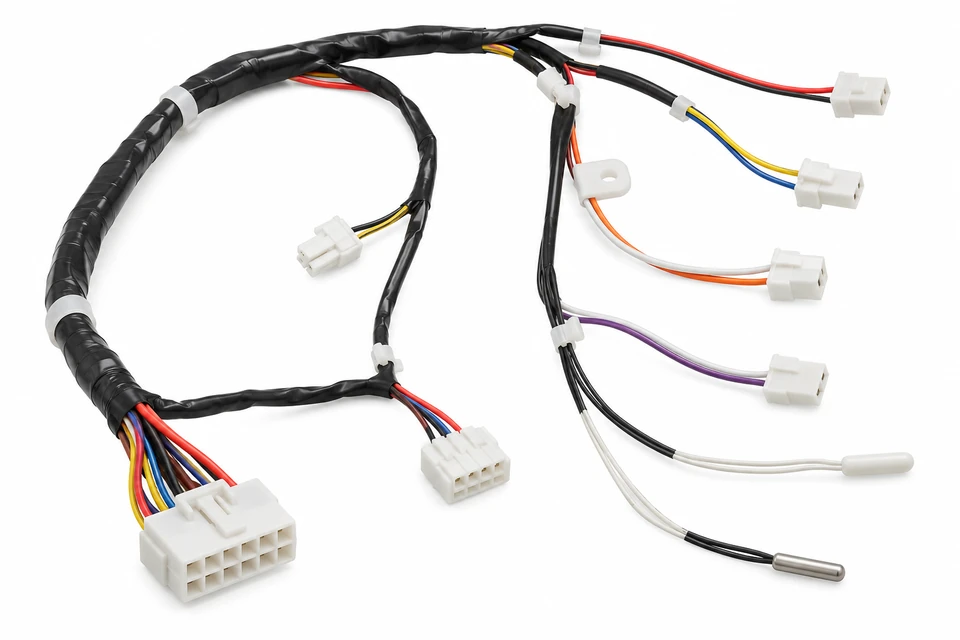
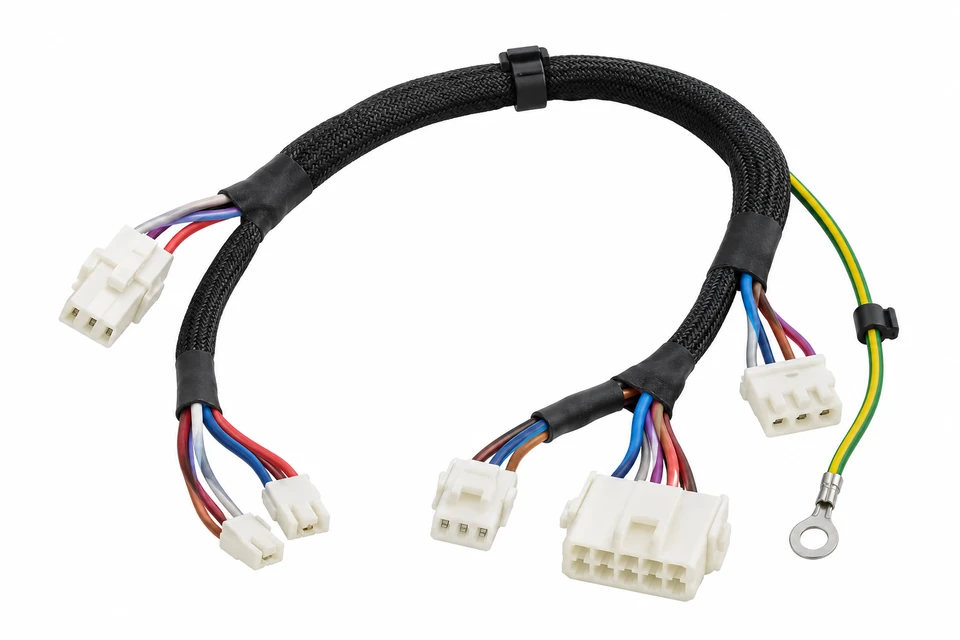
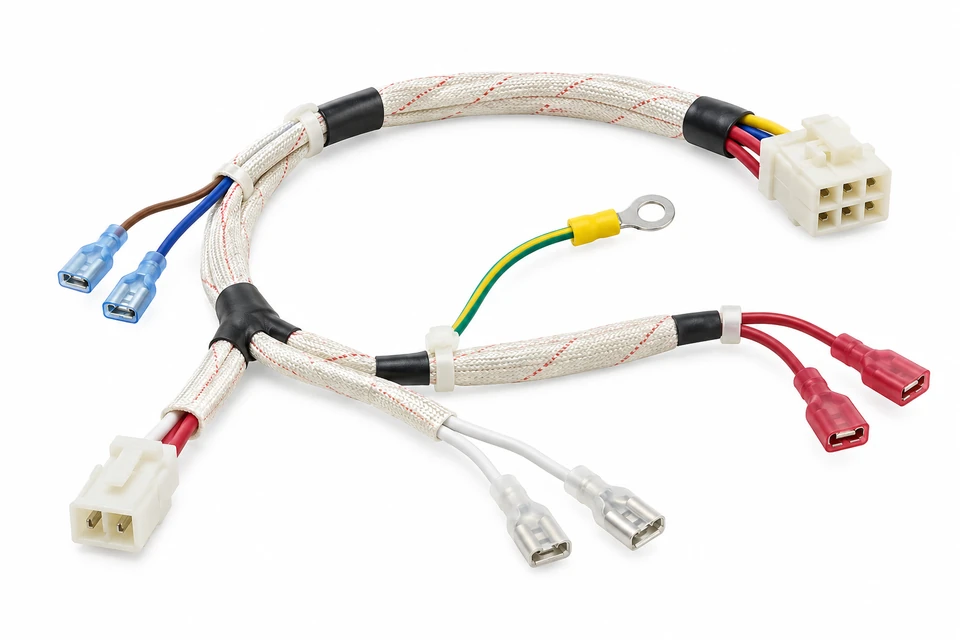
Custom Home Appliances Wire Harnesses Manufacturer

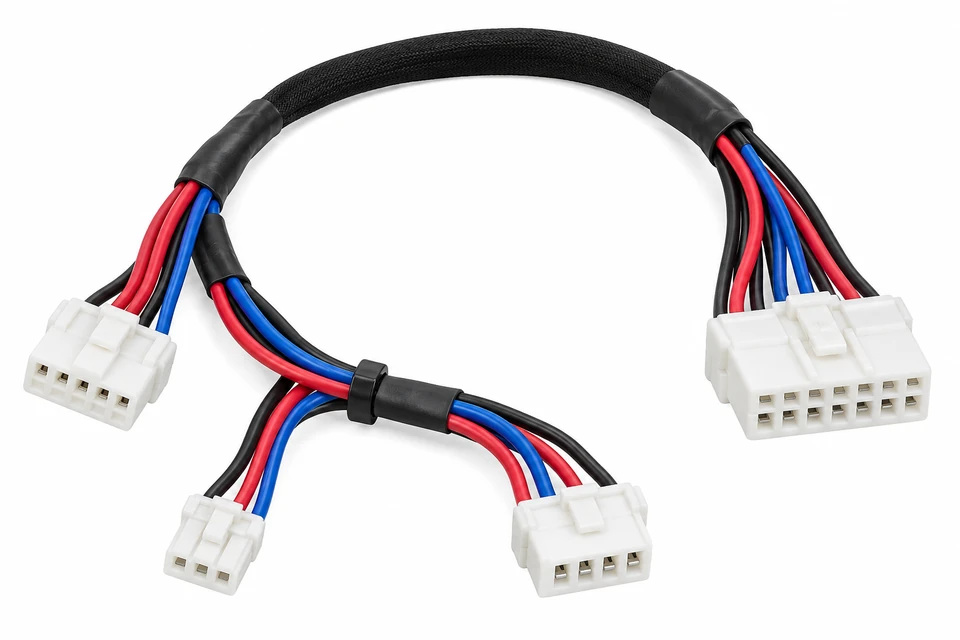
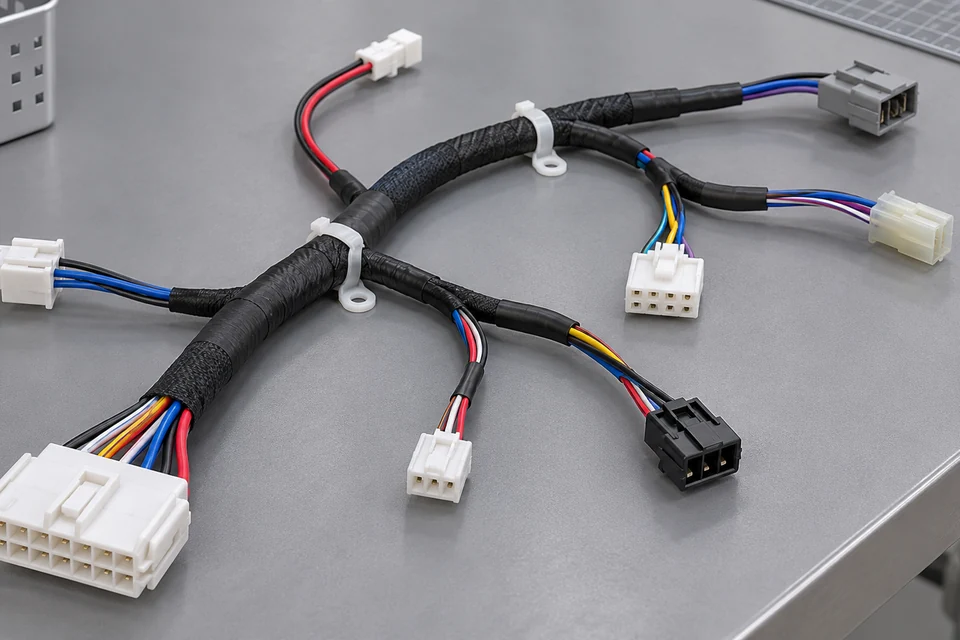
Xinshao manufactures custom home appliance wire harnesses from your drawing, sample or BOM. Coordinate power, sensor and control connections around your appliance design.

  • Drawing, sample and BOM-based development
  • Connector, cable and routing customization
  • Prototype and production project support

Custom Internal Wiring for Home Appliance OEMs

Bring together the connections between motors, switches, heaters, sensors and control boards in an assembly designed for your appliance. Xinshao supports drawing-based OEM/ODM harness development and manufacturing.

Share your circuit diagram, connector part numbers, branch lengths, mounting points and annual demand. We review manufacturing inputs, component availability and inspection requirements before the build is released.

Home Appliance Harness Applications

washing-machine-wire-harness

Washing Machine Wire Harnesses

Specify motor, pump, valve and control-board connections with routing protection for vibration and moving assemblies.

refrigerator-wire-harness

Refrigerator Wire Harnesses

Coordinate compressor, lighting, sensor and door circuits around cabinet routing and condensation exposure.

dishwasher-wire-harness

Dishwasher Wire Harnesses

Define pump, heater and control wiring with connector placement and protection suited to the installation.

oven-wire-harness

Oven Wire Harnesses

Identify local heat exposure, terminal interfaces and protective sleeving before selecting the wire construction.

air-conditioner-wire-harness

Air Conditioner Wire Harnesses

Configure fan, sensor and controller interconnections with mounting points and service access in mind.

small-appliance-wire-harness

Small Appliance Wire Harnesses

Develop compact internal wiring for coffee machines, cleaners and other appliances from approved drawings.

6 Application Categories

Built Around Your Assembly Requirements

01

Design Flexibility

Specify connectors, wire lengths, branching, protection and labeling for your installation.

02

Engineering Review

Discuss your drawings and assembly requirements before starting a new build.

03

Scalable Support

Plan prototype and production requirements around the needs of your project.

04

Project Coordination

Align drawings, revisions and inspection requirements before manufacture.

Review the Harness Against Your Appliance Design

A connector that fits is only one part of the specification. Review circuit loads, local temperatures, moisture exposure, vibration, sharp edges and service access before approving the assembly.

Request a controlled drawing revision, approved BOM and sample inspection record. Original and alternative connector components must be identified separately; substitutions require your approval. Appliance-level safety approval remains a separate project responsibility.

appliance-supplier-review

From Appliance Layout to Approved Harness

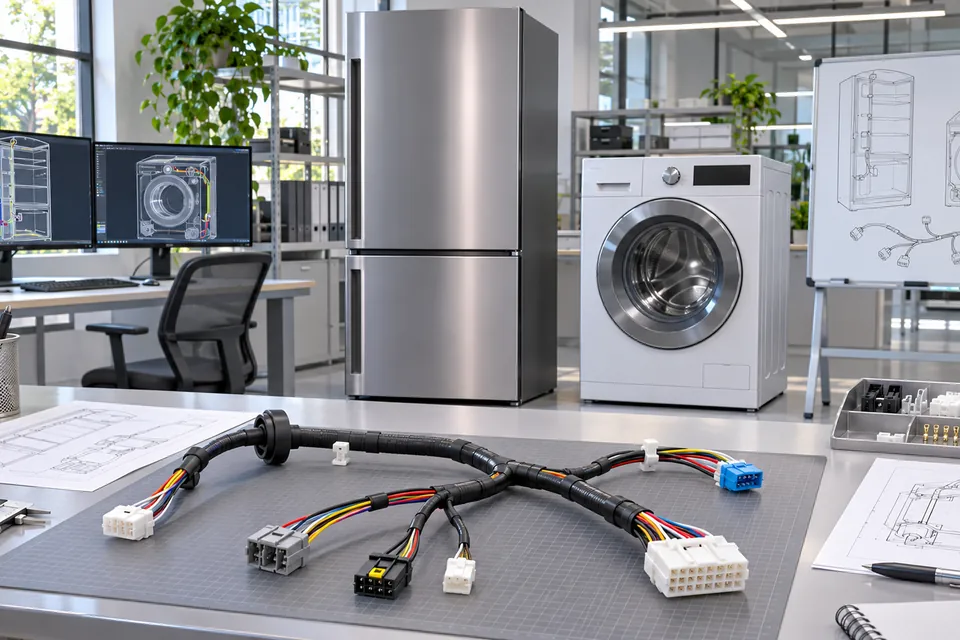
appliance-routing-layout
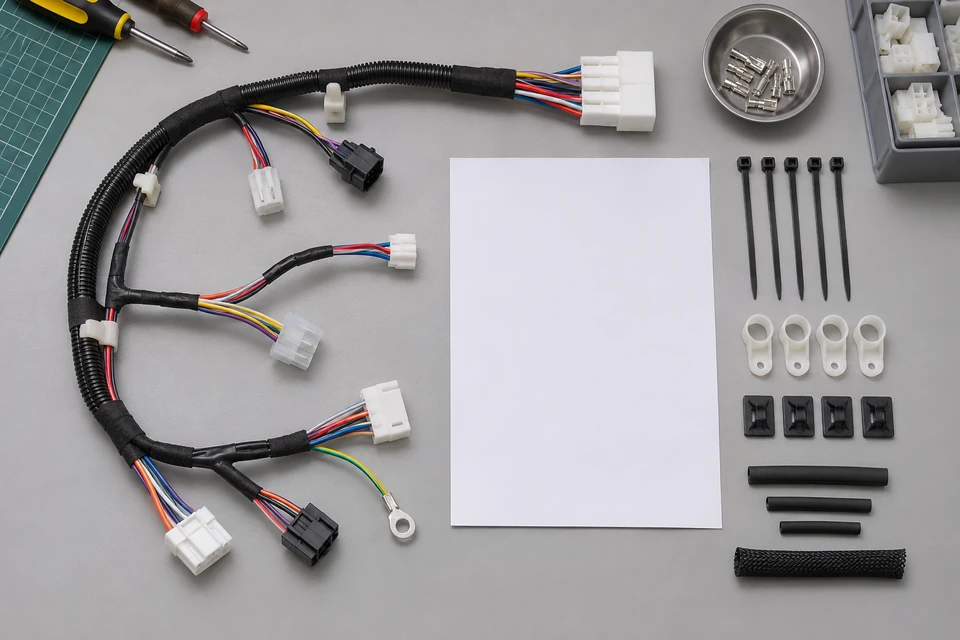
appliance-connector-options

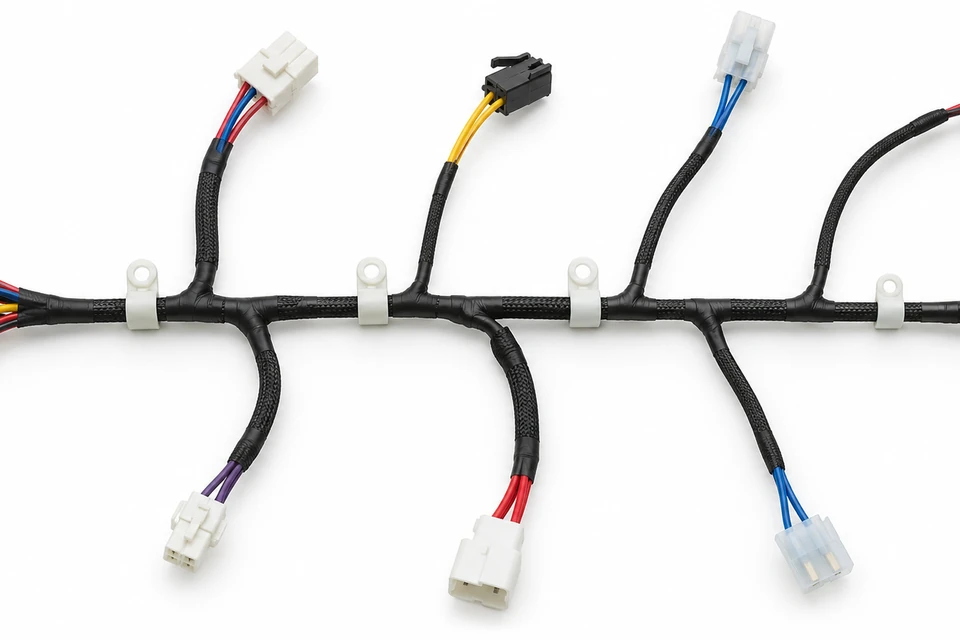
Specify every connector cavity and pin assignment, branch datum, wire length tolerance, splice, label and mounting clip. Identify door or lid motion and the permitted bend path so the assembly can be reviewed in its installed condition.

Agree the drawing and BOM, review material availability, then build samples for fit and electrical evaluation. Release production against an approved revision after sample acceptance. Changes to terminals, wire or routing require documented review.

Quote inputs include order quantity, annual demand, delivery destination, packaging and test records. Tooling, connector availability and validation effort affect cost and lead time.

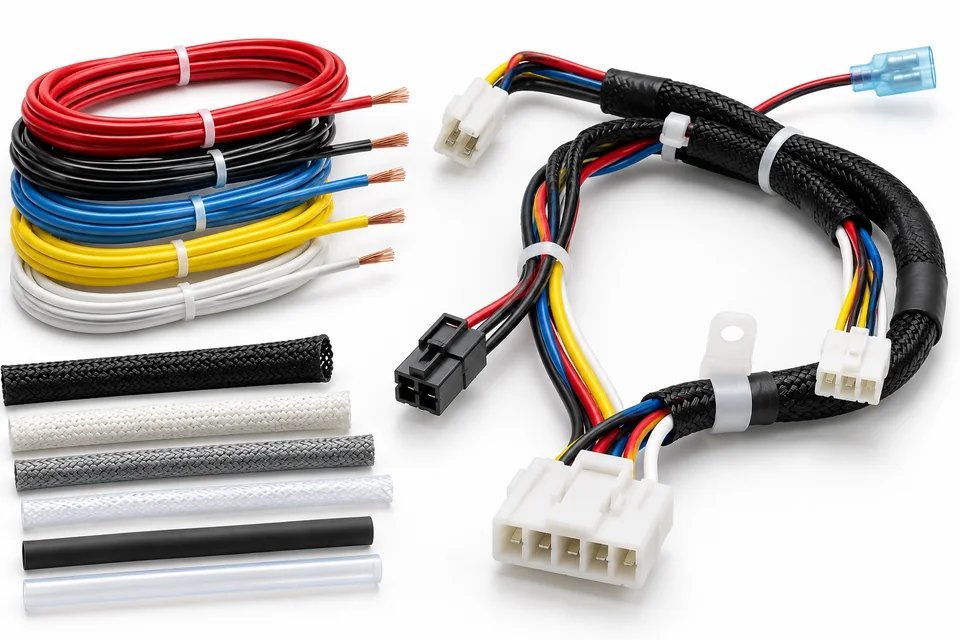
appliance-wire-materials

Material & Component Selection

Select insulation, terminals and sleeves against circuit requirements and local exposure. A material name alone does not establish the rating of the finished assembly.

  • Wire gauge, current load, voltage and local temperature
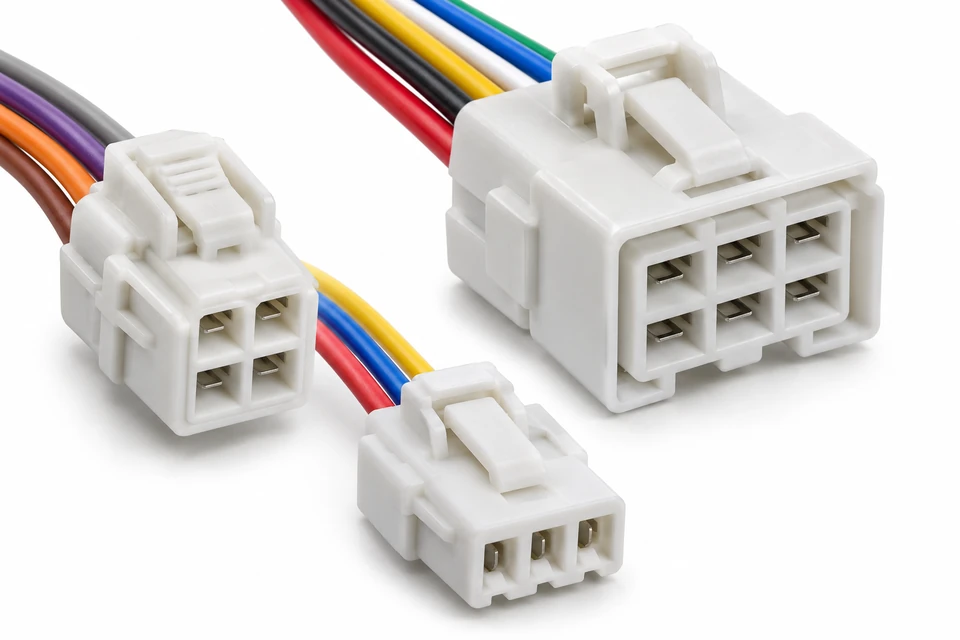
  • Exact connector and terminal part numbers; approved alternatives
  • Moisture exposure, abrasion protection, earth identification and labels
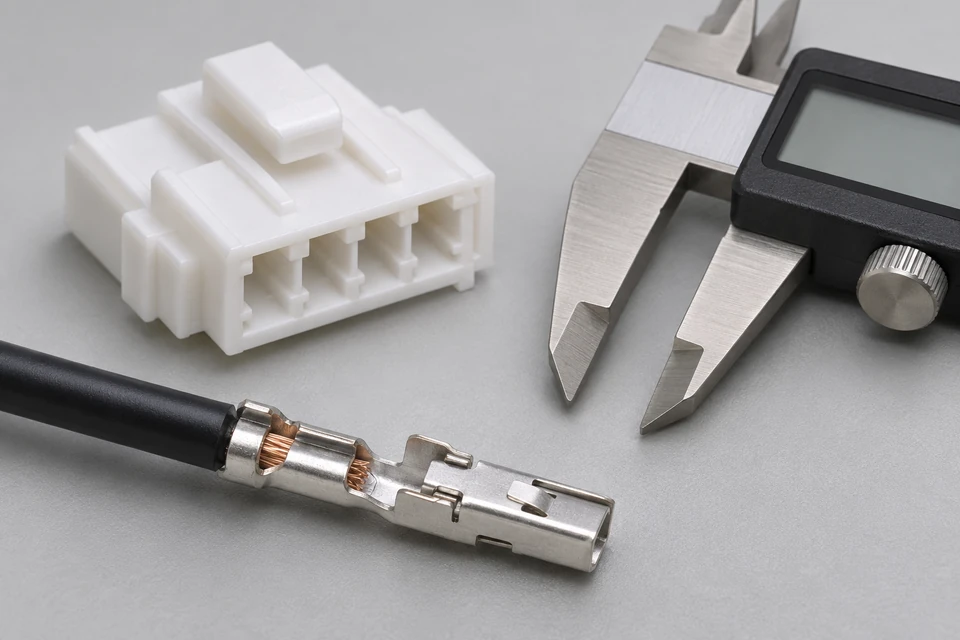
appliance-crimp-inspection

Manufacturing & Inspection Planning

Define cutting, stripping, crimping, connector insertion and bundling against the approved build documentation. Agree routine inspection and any additional validation separately.

  • Cutting, stripping, crimping and connector assembly
  • Routing, bundling and protective finishing
  • Agreed pin-to-pin continuity, short-circuit checks and test records

Who We Support

appliance-oem-development

Home Appliance OEMs

Coordinate internal harnesses for new appliance platforms and controlled model revisions. Share installation constraints and production demand for a manufacturing review.

appliance-procurement-planning

Engineering & Procurement Teams

Align connector sourcing, sample approval, acceptance criteria and drawing revisions before production. Identify component alternatives and validation costs early.

Appliance Harness Sourcing:Engineering & RFQ Guide

Prepare the right project information for a more useful engineering review and quotation.

Send the drawing or sample, BOM, connector and terminal part numbers, pinout, branch lengths, order quantity, annual demand and delivery destination. Include current loads, environmental conditions and required inspection records. Incomplete inputs can be reviewed, with open items identified before approval.
A sample can support layout review, but it may not identify wire ratings, terminal specifications or circuit requirements. Confirm these inputs and approve a controlled drawing before production.
Provide local operating conditions, heat sources, splash or condensation exposure and the installed movement path. Material selection and any endurance or sealing validation must match the agreed assembly and test conditions.
Alternatives may change fit, retention, terminal performance and approval requirements. Identify proposed substitutions in the BOM and obtain customer approval; interchangeability is not assumed.
Agree visual and dimensional inspection, pinout and continuity checks, short-circuit detection and reporting. Specify dielectric, pull-force or environmental validation only where required, including conditions and acceptance limits. Request FAI and traceability records to the agreed scope.
Lead time depends on component availability, tooling, drawing approval, order volume and required validation. Confirm the schedule with the quotation and release production after sample acceptance.

Send Your Inquiry Today

Send Your Inquiry Today