XINSHAO · OEM / ODM INTERCONNECT SOLUTIONS
Drawing-based wiring harnesses for motorcycle OEMs, electric two-wheeler developers and system suppliers. Bring your schematic, BOM or sample to define a buildable assembly.
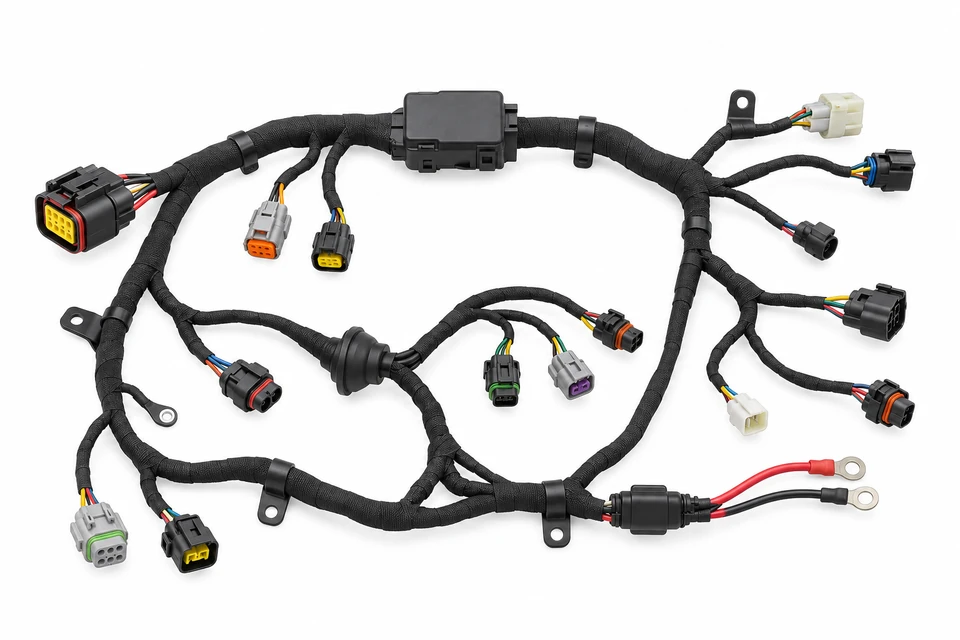
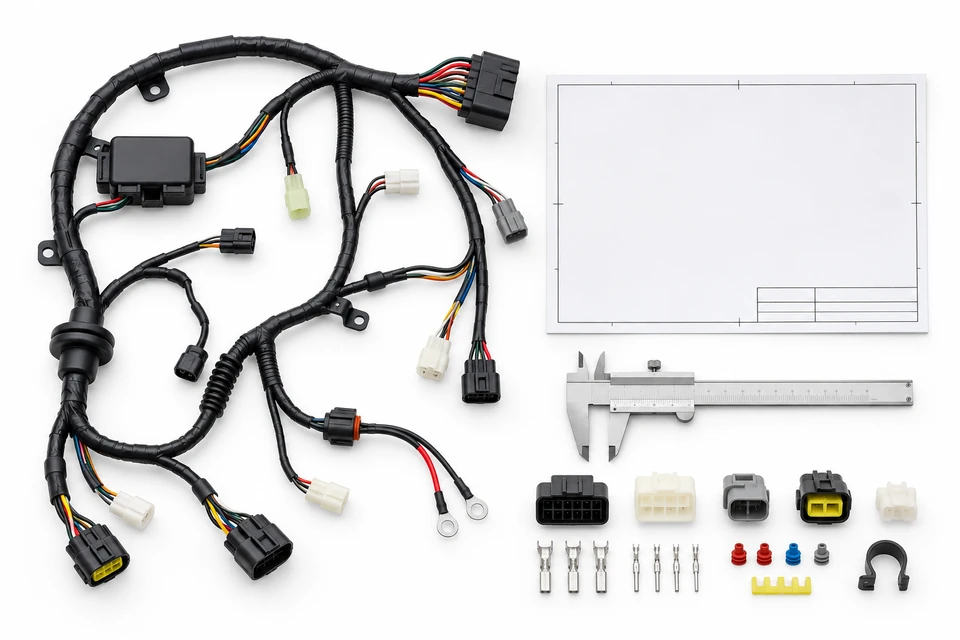
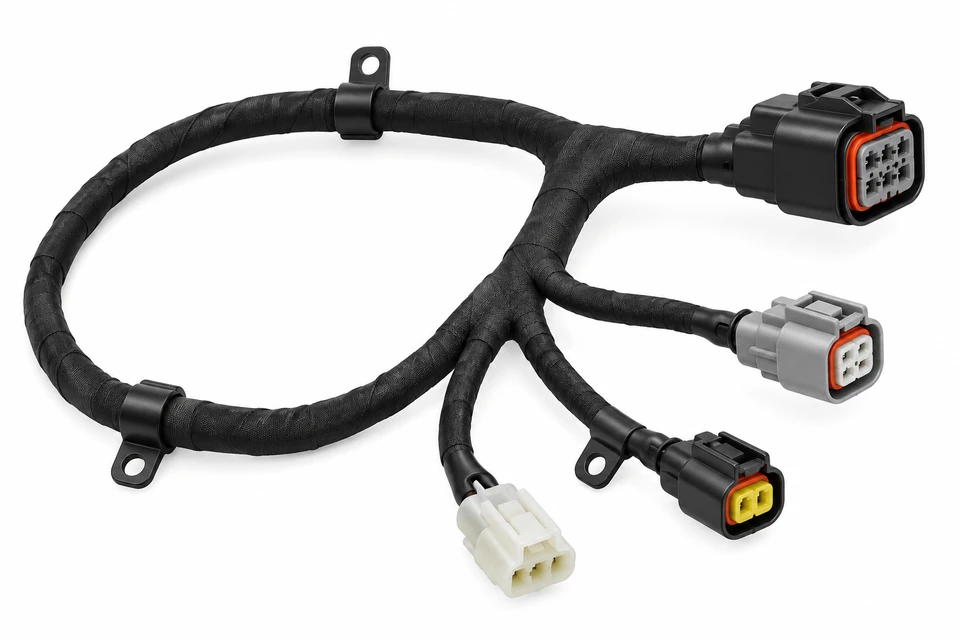
Xinshao supports custom wire harness development from customer drawings, samples and bills of materials. A motorcycle harness brings together power distribution, lighting, controls and electronic interfaces in a constrained installation space.
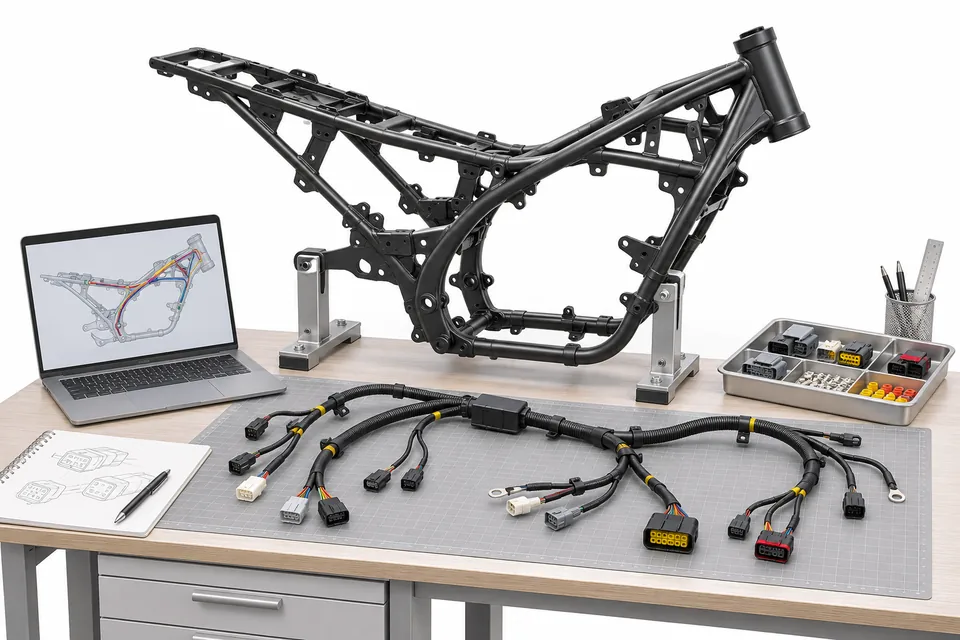
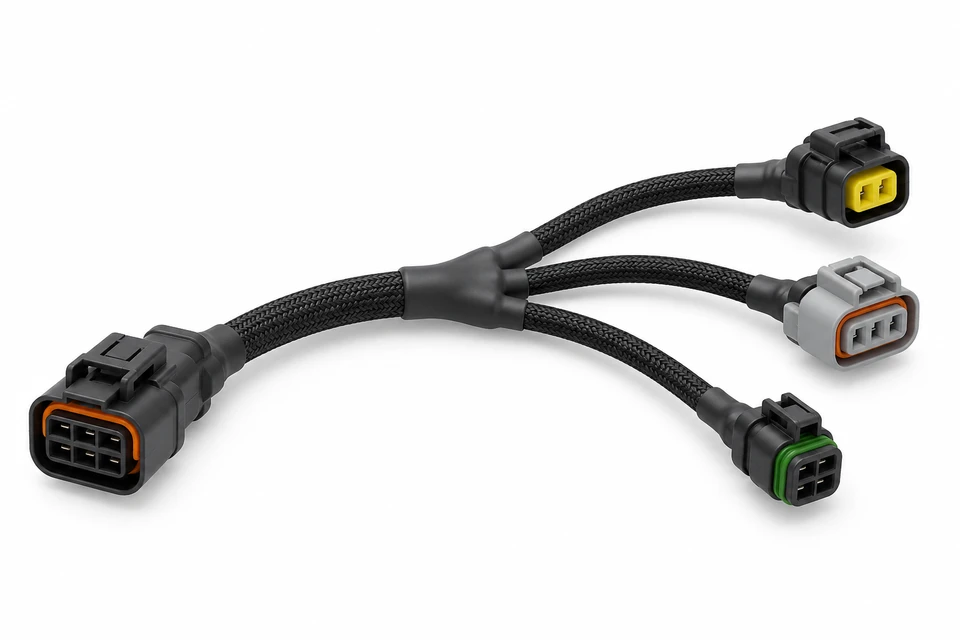
Share the vehicle architecture and installation conditions alongside the electrical schematic. Branch locations, connector orientation, retention points and approved component substitutions need to be resolved before the design is released for manufacture.
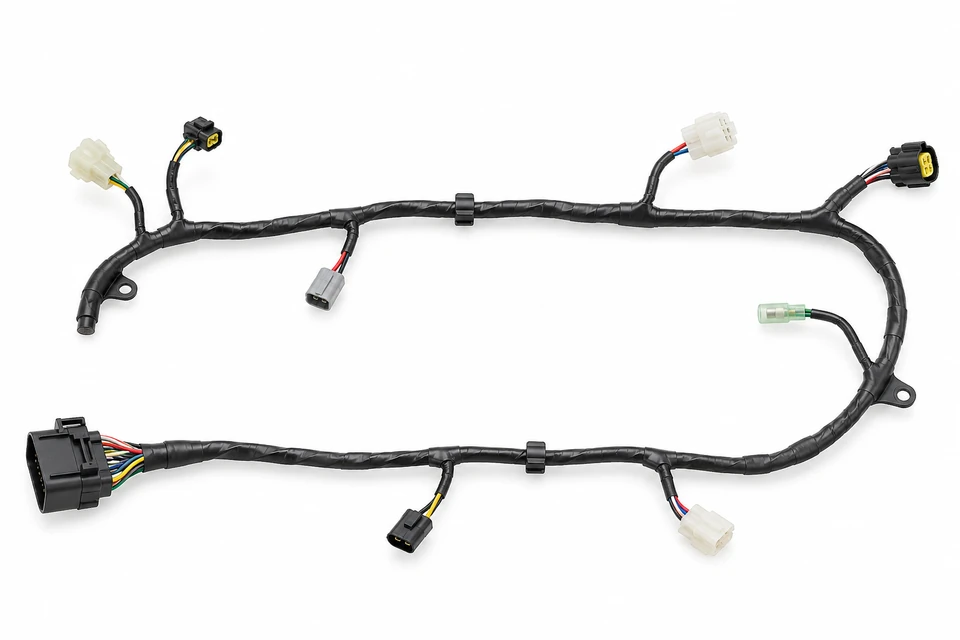
Coordinate the trunk, branch take-outs, fuse and relay interfaces around the approved vehicle layout. Define circuit loads and service access before quoting.
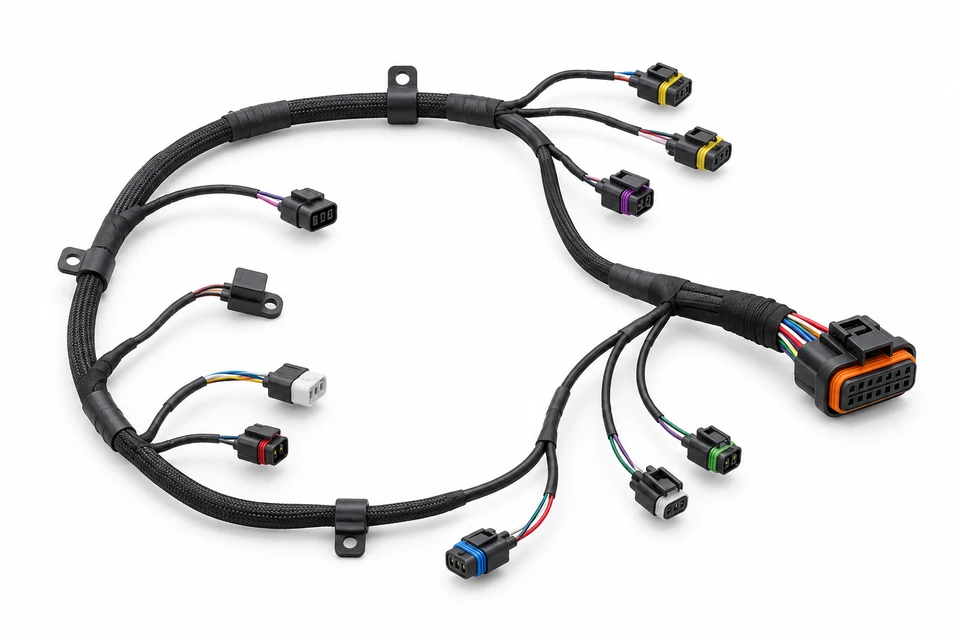
Configure headlamp, tail lamp and turn-signal branches around the specified connectors, mounting points and operating loads.
Specify steering movement, switch pinouts and retention points so the branch can be reviewed through the full steering range.
Define display pin assignments, connector keying and routing behind the instrument panel, including service-disconnection access.
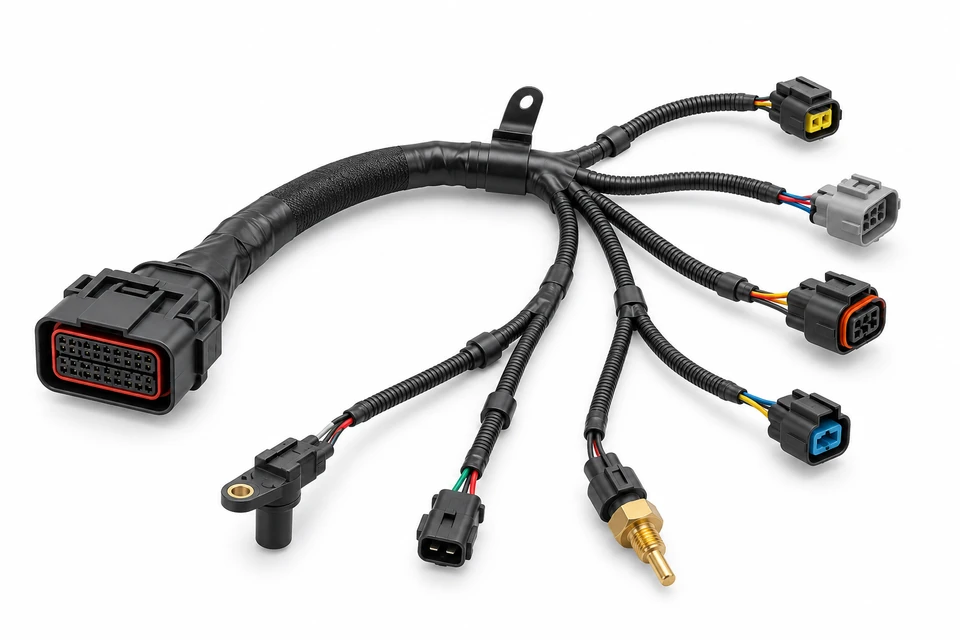
Submit ECU and sensor connector part numbers, cavity assignments and grounding requirements for a drawing-based manufacturing review.
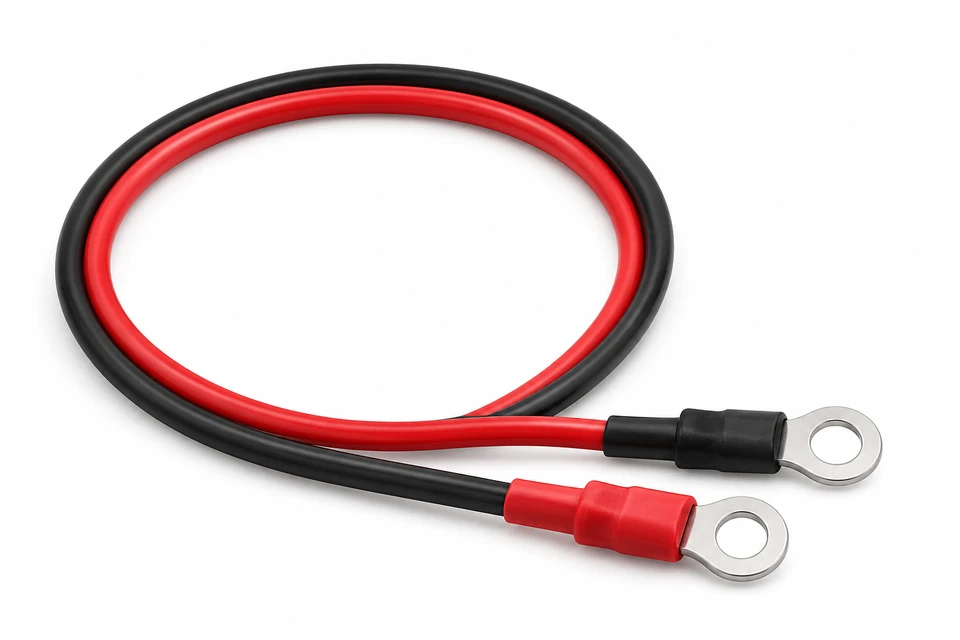
Separate low-voltage control and auxiliary circuits from traction-power requirements. Supply controller interfaces and system schematics for review.
6 Custom Configuration Types
01
Define each branch, mating interface, wire identification and dimensional tolerance in your approved drawing.
02
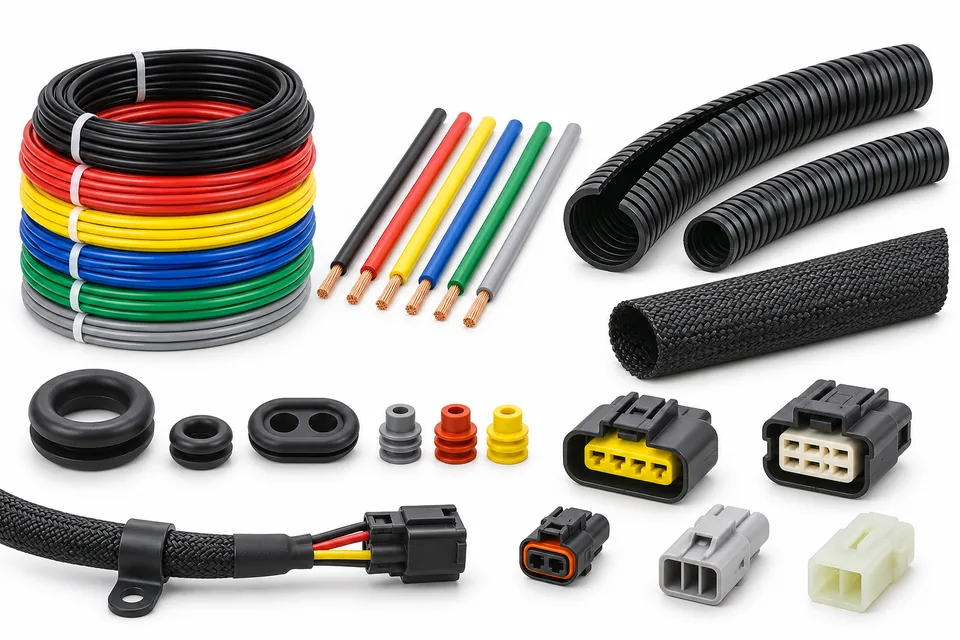
Review specified parts and availability; alternatives require your approval before use.
03
Use sample feedback to resolve fit, routing and assembly details before production release.
04
Agree acceptance criteria, electrical checks and documentation for the individual assembly.
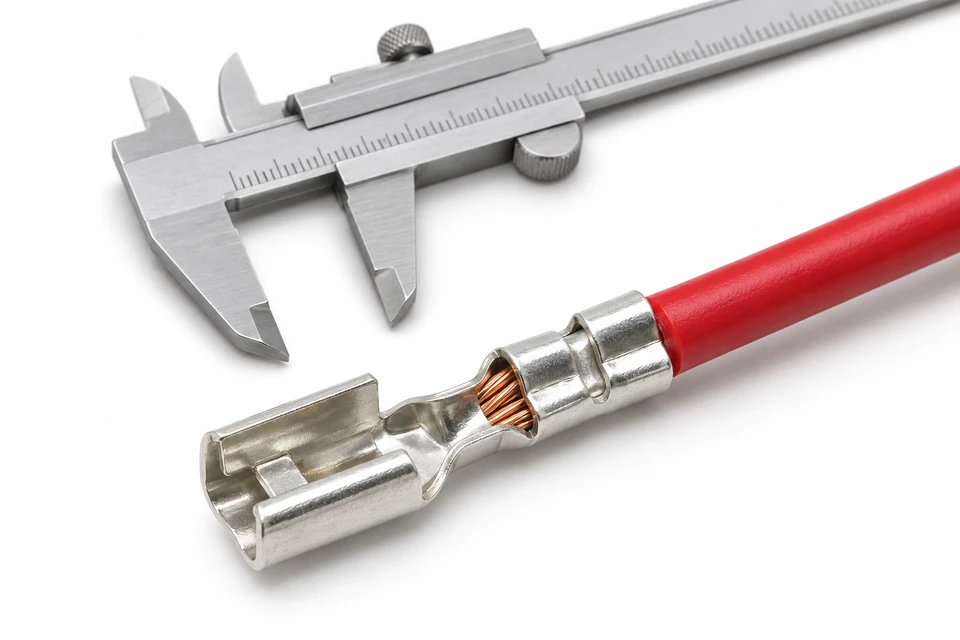
A quotation is useful when the drawing, BOM and acceptance plan describe the same assembly. Ask how connector sourcing, crimp requirements, revision control and inspection records will be handled.
Xinshao can review your supplied inputs for custom manufacturing. Confirm the exact production scope and required evidence for your project; a general company qualification does not establish vehicle approval or component performance.
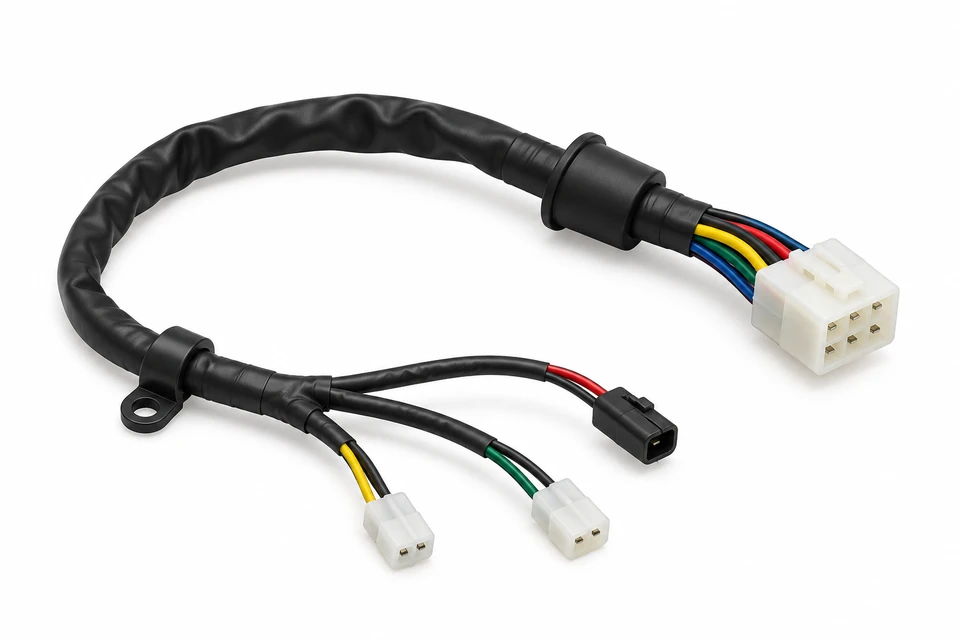
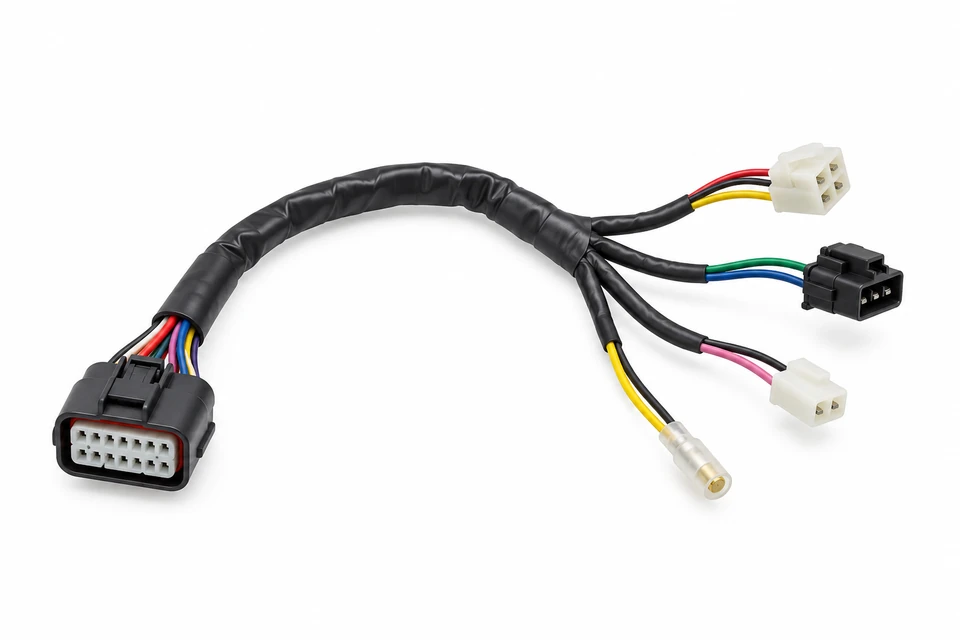
Identify trunk length, branch take-out distances, breakout angles, connector orientation and permitted tolerances. Include mounting clips, grommets, labels and accessible service loops in the assembly definition.
Review steering travel and moving interfaces in the installed vehicle. Resolve clearance from hot surfaces, sharp edges and pinch points with the vehicle engineering team.
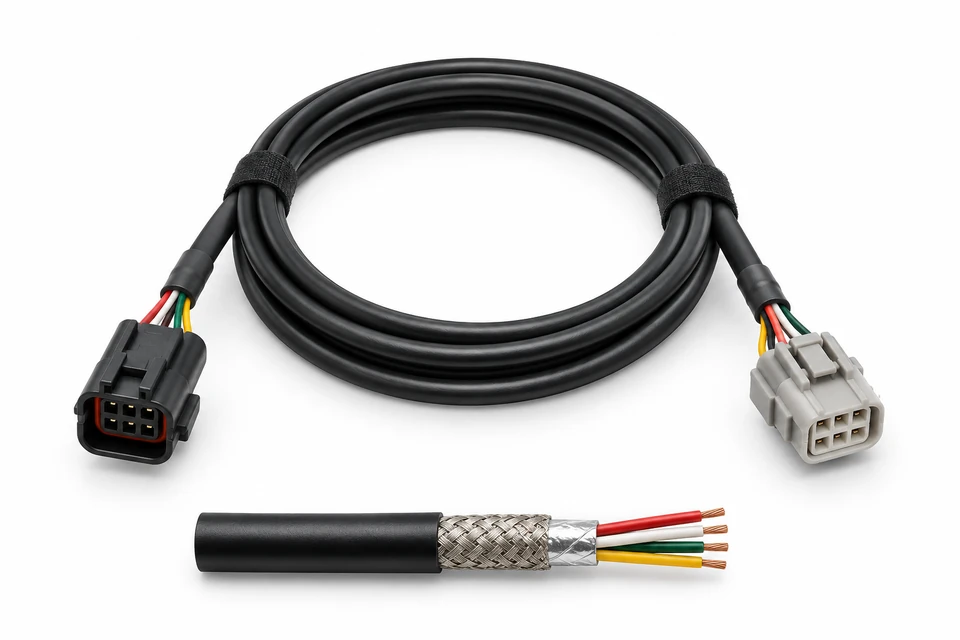
For sealed interfaces, specify the complete mating system, cavity seals, unused-cavity plugs and installation exposure. Any ingress rating requires an agreed assembly configuration and validation method.
Choose the material specification around the electrical load and local environment rather than a generic vehicle label.
Translate the approved design into the agreed inspection and test plan.
Coordinate prototype fit checks and harness release with your vehicle design. Submit routing requirements and interface definitions together.
Align approved BOM revisions, component sourcing, inspection documentation and order quantities before committing to production.
Resolve electrical interfaces, installation constraints and acceptance criteria before comparing quotations.