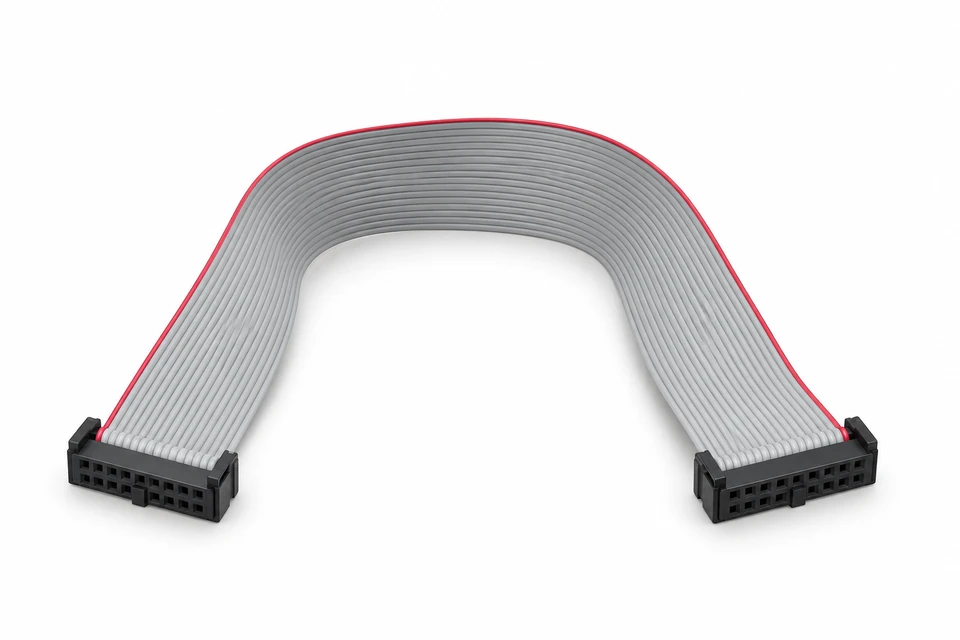
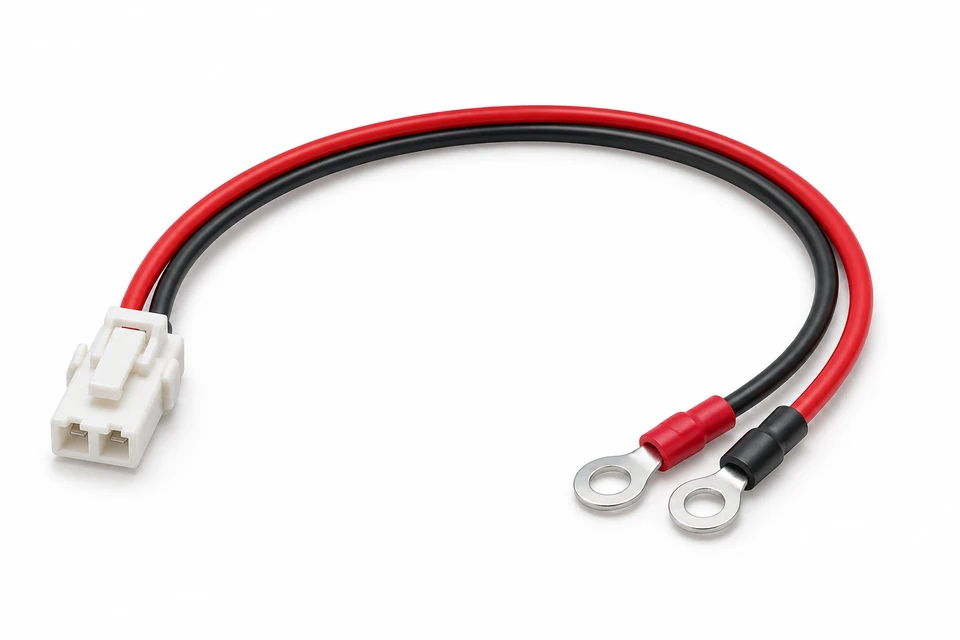
XINSHAO OEM CABLE ASSEMBLY SERVICES
Custom cable assemblies built around your specified Molex connectors, pinout and installation requirements. Send a drawing, BOM or sample for a manufacturing review.
Xinshao supports OEM cable and wire harness projects using customer-specified connector components. We review the mating interface, cable construction and assembly drawing together so that purchasing and engineering work from the same approved configuration.
Molex is a connector brand, not a single interchangeable interface. Specify the complete housing, terminal and mating-part numbers. Genuine components and proposed alternatives are quoted separately; substitutions require your approval.
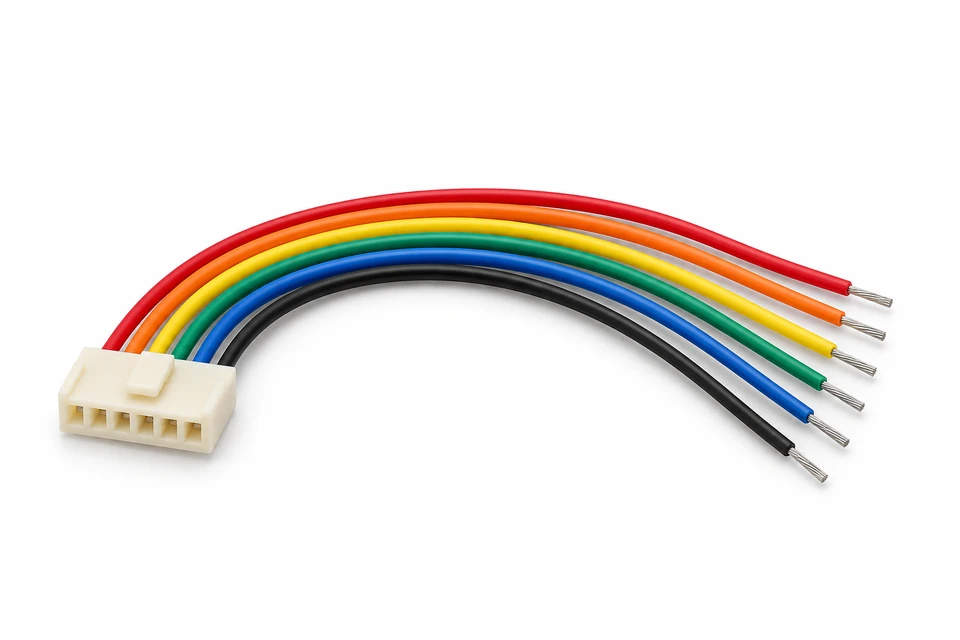
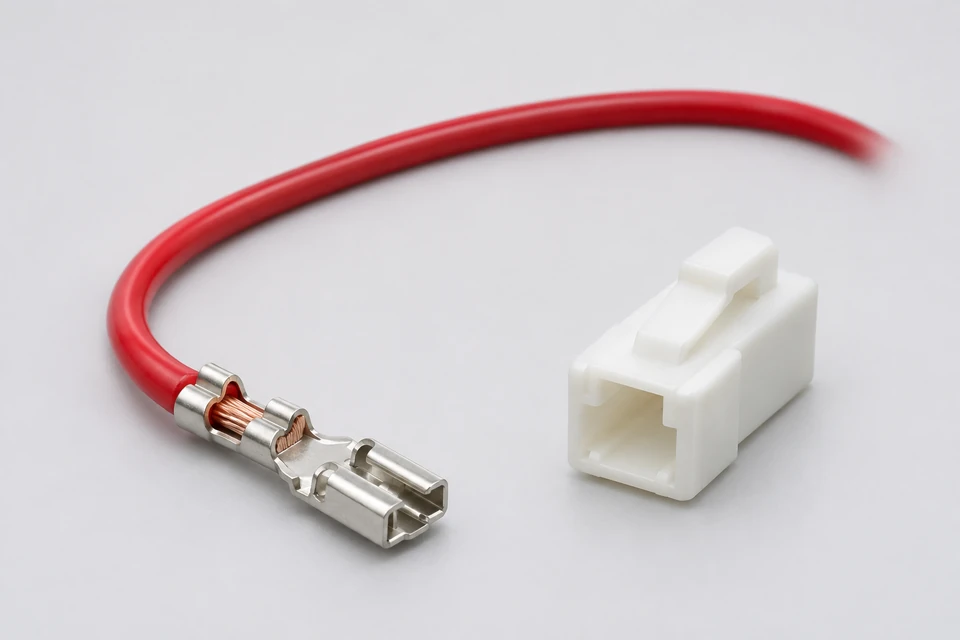
Specify the board header mating part, cavity count and pin assignment before selecting the cable-side housing and terminals.
Connect equipment subassemblies with an agreed mating pair, latch orientation and end-to-end wiring schedule.
Define continuous and peak load, ambient temperature, wire size and populated circuits for a project-specific review.
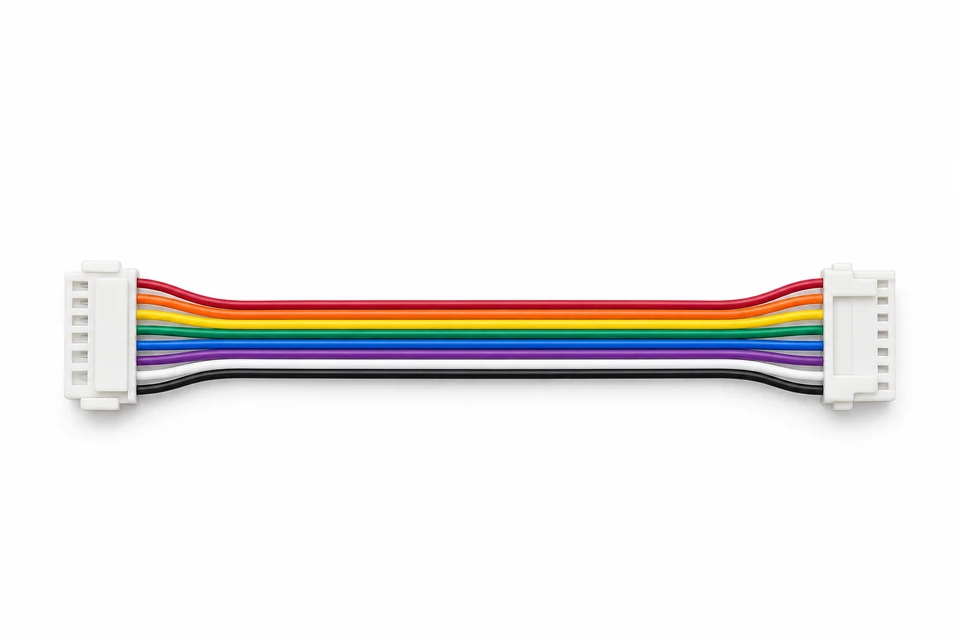
Route control and sensor signals with a confirmed circuit map, wire colors and any required twist or shielding.
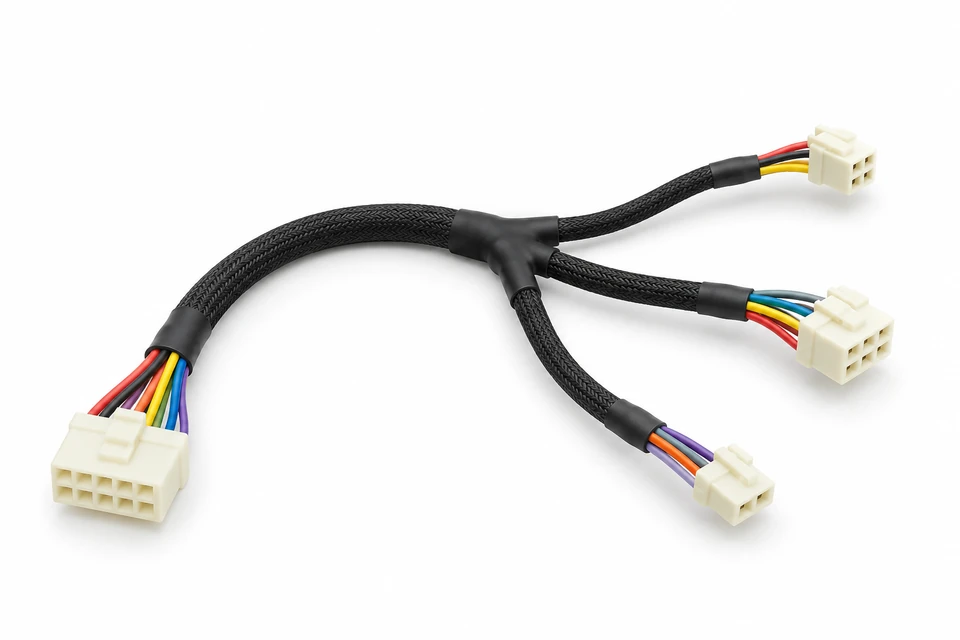
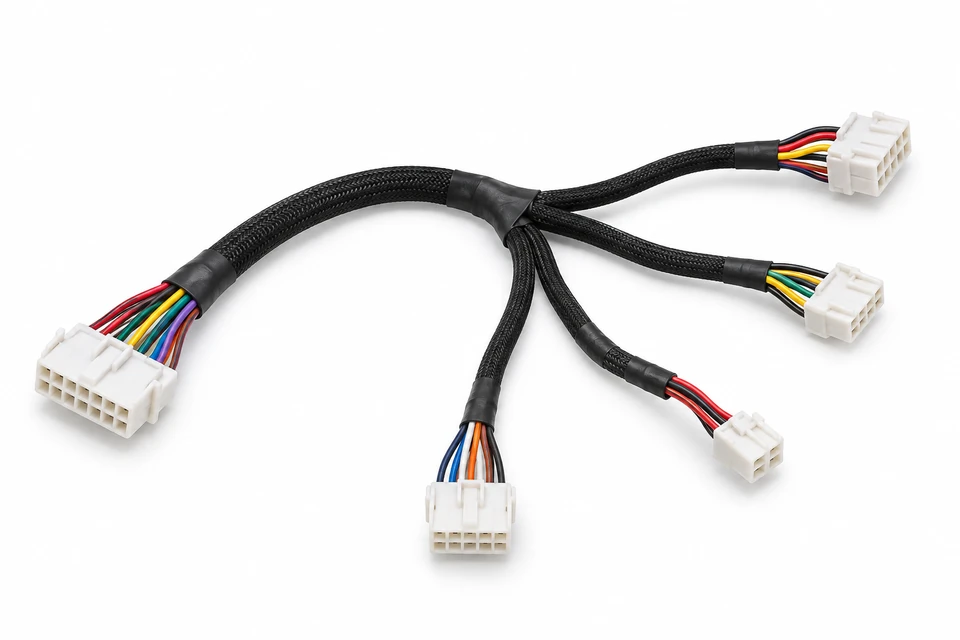
Combine multiple cable legs around fixed branch points, mounting locations and service access requirements.
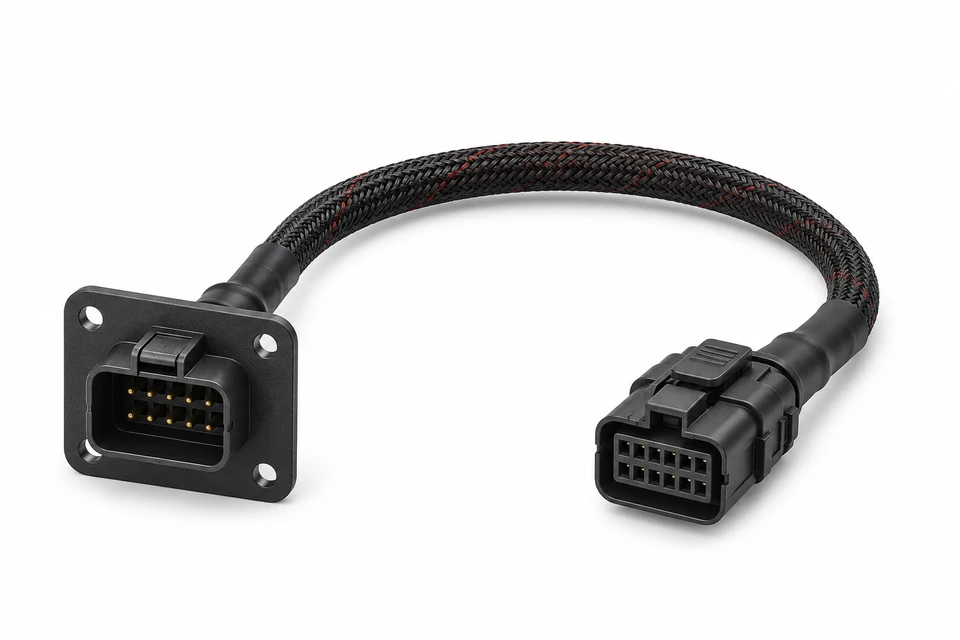
Coordinate connector access, panel clearances, cable protection and strain relief with the equipment enclosure.
6 Configuration Types
01
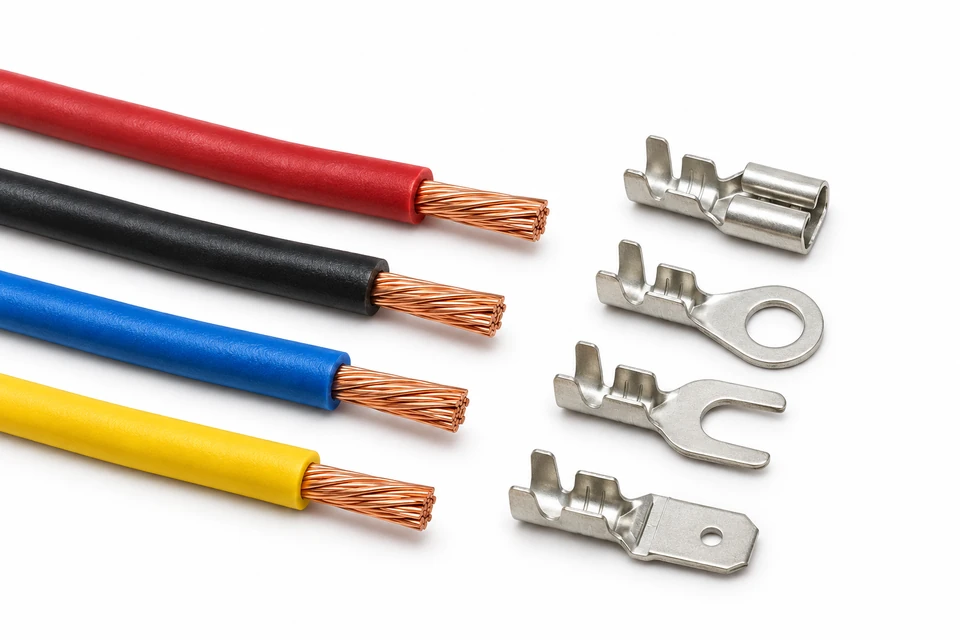
Confirm housing, terminal, plating and approved sourcing requirements before ordering materials.
02
Set pinouts, cable lengths, branch locations and revision status in one assembly drawing.
03
Review current, space, vibration and cable support against the selected components.
04
Define inspection, electrical tests and reporting requirements for the specific build.
A connector family name or photograph is not enough to release a production order. Confirm terminal compatibility with the conductor and insulation, the mating interface and the applicable application specification.
Agree component sourcing, tooling suitability, inspection records and change control before sample manufacture. Connector catalog ratings alone do not establish the rating of a finished cable assembly.
Define each cavity by connector reference and viewing direction. Include wire colors, circuit identification, unused cavities and any splice details. A clear pinout prevents mirrored connector views from becoming wiring errors.
Specify the measurement datum for overall length and branch positions, plus tolerances and installed bend conditions. Leave room for latch access and support the cable so pulling loads do not act directly on the terminals.
For incomplete designs, send available drawings or a sample. Open points are resolved during review before the assembly revision is approved.
Component selection starts with exact part numbers and the operating conditions of your equipment.
Review application specifications and suitable tooling for the chosen terminal and wire combination. Agree inspection coverage and evidence with the sample release.
1. Review inputs. Submit the drawing revision, BOM, connector part numbers, quantities and destination. Identify missing parts or tooling requirements before committing to a schedule.
2. Confirm a sample. Agree material sourcing, tolerances, inspection criteria and any first-article records. Review fit, routing and electrical connections in your equipment before approving production.
3. Control repeat orders. Release against the approved revision and agreed acceptance plan. Confirm component availability and lead time for each order; material availability, tooling and validation can change both cost and schedule.
Coordinate control, power and sensor connections with enclosure layout, service access and assembly sequence.
Align the approved BOM, sample acceptance and annual demand while reviewing component sourcing and project documentation.
Resolve component, wiring and acceptance details before releasing an order.